Sydney and Melbourne Airports See Record International Growth as Domestic Travel Stalls in 2026

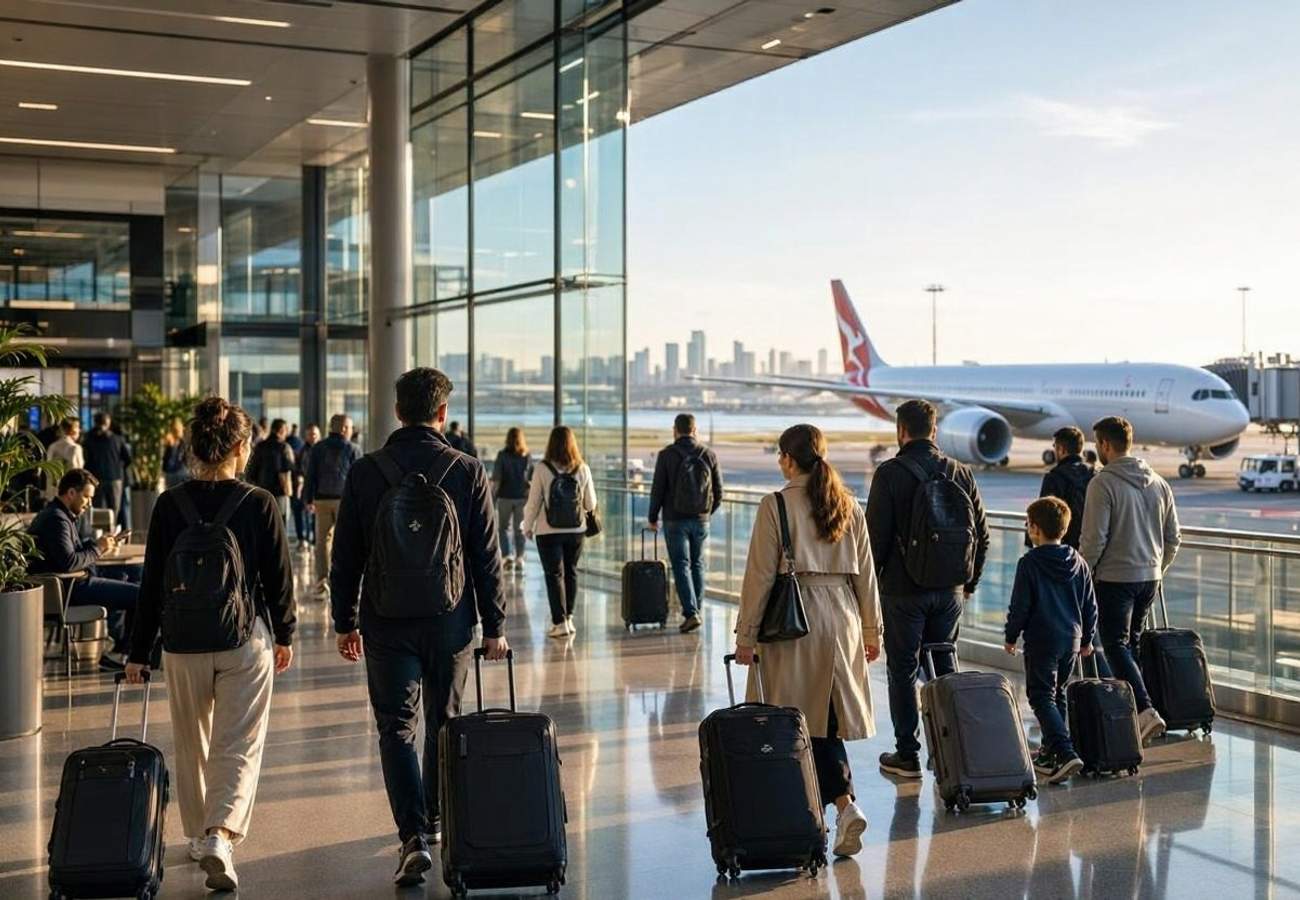
Image generated by AI
While international terminals in Australia are currently breaking records, domestic departure gates are falling silent as high ticket prices push locals to cancel interstate trips. This stark divide has created a "two-speed" aviation economy where foreign tourists are effectively subsidizing the infrastructure of the continent's major hubs.
The Great Aviation Divide of 2026
Australia is witnessing a paradoxical shift in how people move. On one side, long-haul jets from East Asia, North America, and Europe are packing the customs halls of the country's primary gateways. On the other, the regional and interstate corridors—the lifeblood of local tourism—are struggling. According to the Bureau of Infrastructure and Transport Research Economics, domestic passenger growth remained a modest 1.5 percent year-on-year through August 2026, while regional traffic actually contracted by 1.1 percent.
In contrast, international airline activity surged by 5.2 percent in the year ending July 2026. This isn't just a recovery; it is a strategic pivot. Foreign carriers are aggressively expanding their footprints in Sydney, Melbourne, Adelaide, and Perth, while domestic airlines are tightening seat capacity and grounding smaller aircraft to maintain margins.
Performance Breakdown: International vs. Domestic
The disparity is most evident when looking at the hard numbers across the major hubs. Sydney and Melbourne continue to dominate, but mid-sized airports are seeing the most aggressive percentage swings in international arrivals.
| Airport (IATA) | Total Passengers | International Growth (YoY) | Domestic Growth (YoY) | Key Driver |
|---|---|---|---|---|
| Sydney (SYD) | 42.54M (CY25) | +2.1% (H1 2026) | +1.0% (H1 2026) | China, South Korea, Japan surges |
| Melbourne (MEL) | 36.99M (FY25-26) | +2.5% | +2.2% (Flat by June 26) | UK (+9.4%) & China (+8%) |
| Brisbane (BNE) | 25.20M (FY25-26) | +8.1% | +2.7% | Trans-Pacific expansions |
| Perth (PER) | 18.39M (FY25-26) | +8.2% | ~+4.0% | SE Asia & European direct flights |
| Adelaide (ADL) | 9.15M (FY25-26) | +20.0% | +2.8% | New SF & Malaysia links |
| Gold Coast (OOL) | 6.50M (FY25-26) | +25.0% | ~0% (Flat) | Overseas leisure surge |
| Cairns (CNS) | ~4.80M (FY25-26) | +10.8% (Trend) | 0.0% (Unchanged) | Int'l arrivals lifting totals |
| Darwin (DRW) | ~2.00M (CY25) | Significant Growth | Moderate Growth | Emerging regional hub |
What Makes the Australian Experience Different Right Now?
The current state of travel in Australia is defined by an economic squeeze. For the average resident, the "weekend getaway" to another state has become a luxury. Stubborn inflation, rising mortgage rates, and utility costs have forced families to prioritize essential spending over domestic flights.
Furthermore, the corporate travel landscape has permanently shifted. The reliance on video conferencing for routine business has left mid-week domestic flights well below their pre-pandemic occupancy. This has led domestic carriers to keep seat supply disciplined, which prevents the deep fare discounting that usually lures budget travelers back into the air.
Meanwhile, the international side is booming thanks to new bilateral air service agreements. Travelers are choosing to spend their limited travel budgets on "once-in-a-lifetime" overseas trips rather than expensive interstate hops. This has turned airports into high-revenue retail hubs, as international passengers spend significantly more on duty-free shopping and long-term parking than domestic commuters.
Visitor Insider Tips
If you are planning a trip to Australia in 2026, keep these local rhythms in mind:
- Avoid the Morning Rush: International arrivals peak in the early morning. If you are picking someone up at SYD or MEL, expect significant bottlenecks at customs and baggage claim. Use official airport apps to track flight status in real-time.
- Book Regional Early: Because regional airlines are cutting schedules and grounding smaller planes, seat availability on "outback" routes is tighter than ever. Book these legs at least 3 months in advance to avoid exorbitant last-minute fares.
- Leverage the Hubs: With the surge in widebody aircraft (like the Airbus A350) into secondary cities like Adelaide, look for international flights that bypass Sydney or Melbourne to save time and avoid the crowds.
- Transport Hack: In major cities, use the integrated rail links from the airport. With terminal expansions ongoing, road traffic around the international zones can be unpredictable.
Cultural and Environmental Context
The shift toward international-centric growth is forcing a redesign of Australia's urban gateways. Airport operators are diverting billions in capital expenditure away from domestic concourses and toward automated border processing and widebody aircraft stands. This is a strategic move to maximize "aeronautical revenue."
However, this creates a tension with local communities. While the UNESCO World Heritage sites across Australia benefit from the influx of global tourists, the decline in domestic travel means regional towns—which rely on interstate visitors for economic survival—are feeling the pinch. The environmental impact is also shifting; while more fuel-efficient jets like the A330neo are entering the fleet, the sheer volume of long-haul traffic is offsetting some of the gains made by the reduction in short-haul regional hops.
FAQ: Visiting Australia 2026
What is the best time to visit? Spring (September to November) and Autumn (March to May) offer the best weather across most states and avoid the peak domestic travel spikes of school holidays.
Do I need a visa? Yes, most international visitors require either an Electronic Travel Authority (ETA) or a visitor visa. Apply via the official Australian Government Department of Home Affairs portal.
How do I get from Sydney Airport to the city? The Airport Link train is the fastest method, taking approximately 15-20 minutes to reach Central Station, bypassing the often-congested motorway traffic.
Is it safe for solo travelers? Australia is generally very safe for solo travelers. Use registered ride-share apps or official taxi ranks at airports for secure transit to your accommodation.
As the domestic market stalls, the world continues to arrive, turning Australia's airports into global crossroads where the local passenger is increasingly a rarity.
Related Travel Guides
This article is for informational purposes. Flight routes, passenger regulations, visa rules, and transit advisories are subject to change by airlines and aviation authorities. Readers are advised to verify schedules and travel documentation with relevant carriers and border agencies before departure.
Related Stories
India Launches International Digi Yatra Biometric Trials at 7 Major Airports for 2027 Expansion
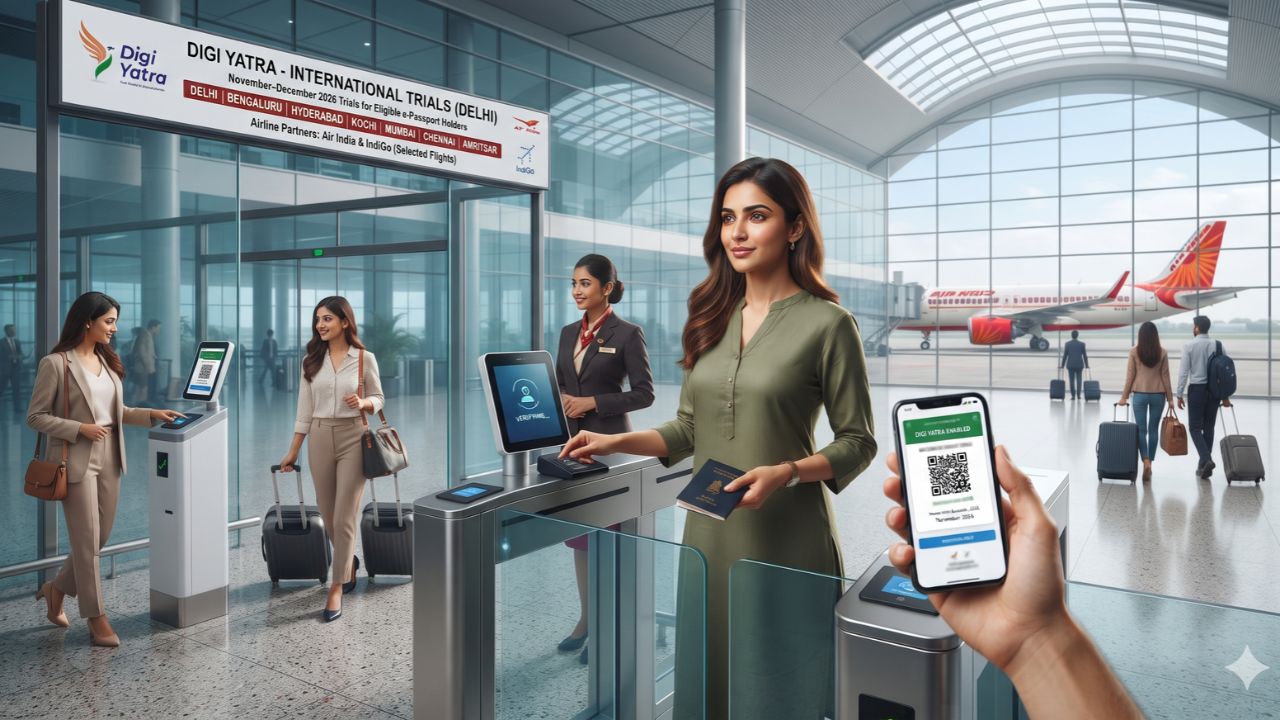
India Launches International Digi Yatra Trials: Seven Airports Test E-Passport Biometrics