Miami and JFK Lead US Airport Duty-Free Expansion with Massive Retail Hubs Through 2028

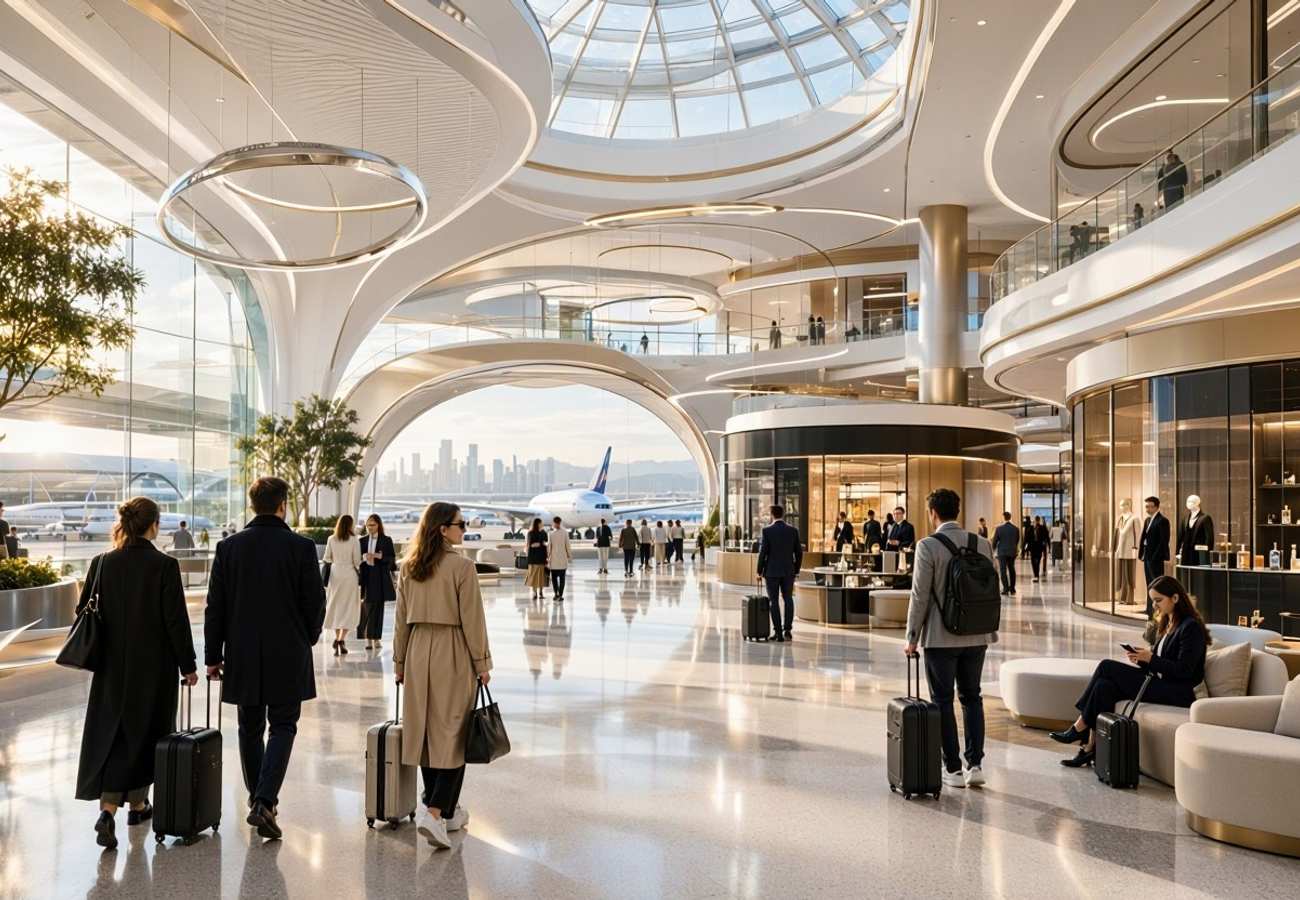
Image generated by AI
US airport retail footprints are shifting from fragmented kiosks to massive walk-through flagships, with New York's JFK Terminal 6 preparing to launch 18,200 square feet of dedicated retail—a stark contrast to the cramped, legacy storefronts that defined American gateways for decades. This infrastructure pivot signals a strategic move by US port authorities to mirror the high-revenue "retail-tainment" models found in Asian and European hubs, transforming the pre-flight experience into a primary revenue driver.
The Retail Renaissance in Numbers
The current overhaul is not merely aesthetic; it is a data-driven reconfiguration of passenger flow. By integrating retail zones directly into the path between security checkpoints and departure gates, airports are maximizing "dwell time" monetization. The scale of these investments is evident in the square footage allocations at JFK, where two separate projects—Terminal 6 and New Terminal One—are collectively introducing nearly 38,200 square feet of high-end retail.
These developments are supported by long-term concession agreements, often spanning 10 to 20 years. This financial stability allows operators like Avolta and Duty Free Americas to implement expensive, tech-heavy installations. For instance, the New Terminal One project is integrating AI-powered beauty bars and VR tasting zones to reduce the friction of luxury shopping for time-constrained international flyers.
Regional Duty-Free Expansion Benchmarks (2026–2030)
The expansion is distributed across key strategic gateways, ensuring that the "walk-through" experience is standardized across the US. While the East Coast leads in total square footage, the West Coast is focusing on experiential integration, such as Seattle's planned live music stages within retail zones.
| Airport (IATA) | Primary Operator | Key Project/Terminal | Timeline | Scale/Feature |
|---|---|---|---|---|
| JFK (New York) | Avolta | Terminal 6 | 2026–2028 | 18,200+ sq ft; 4 NYC-themed zones |
| JFK (New York) | Duty Free Americas | New Terminal One | 2027–2030 | ~20,000 sq ft; "World's Runway" |
| SEA (Seattle) | Avolta (Hudson) | Concourses A, S, N | Q2 2028 | 12,000 sq ft centerpiece |
| MIA (Miami) | Duty Free Americas | South Terminal (H) | 2026–2028 | Unified walk-through format |
| IAD (Dulles) | Avolta | Concourse E | Late 2026 | 700+ sq meters; 14-gate hub |
| ORD (Chicago) | Multiple | Terminals 1 & 3 | 2026–2028 | 3 new concessions; Satellite 1 |
| SAN (San Diego) | Paradies Lagardère | New Terminal 1 | Early 2028 | Phase 2; 11 additional gates |
What This Means for Travelers
For the individual traveler, these shifts change the logistics of the pre-flight window. The transition to "unified" stores means fewer bottlenecks caused by fragmented shops and a more streamlined path to the gate.
Actionable Advice for 2027-2028 Travel:
- Time Allocation: If departing from JFK or MIA, allow an extra 30 minutes for the "walk-through" experience. These zones are designed to draw passengers in, and the sheer scale of the new flagships may increase the walking distance to distal gates.
- Hyper-Local Sourcing: Travelers should look for "artisanal" zones. For example, JFK’s New Terminal One is dedicating over 1,000 square feet specifically to Queens and NYC-sourced products, reducing the need to hunt for authentic souvenirs in the city center.
- Omnichannel Booking: Utilize "reserve-and-collect" platforms. As IATA continues to push for digital transformation in aviation, these new retail hubs will prioritize pre-ordered luxury goods to avoid queues.
The Trajectory of Aviation Retail
The trend is moving beyond commercial terminals. The expansion into private aviation Fixed-Base Operators (FBOs) is a critical indicator of market movement. Duty Free Holdings is currently deploying luxury lounges across 20 new FBOs nationwide through 2027. This suggests that the "duty-free experience" is being decoupled from the massive terminal and attached to the high-net-worth traveler's specific journey.
Furthermore, the integration of sensor-driven retail—where products are suggested based on passenger demographics or flight destination—is becoming the standard. This shift aligns with broader World Travel & Tourism Council (WTTC) data regarding the recovery and growth of international luxury spend. We are seeing a move away from "tax-free" as the primary draw, shifting instead toward "exclusive access" and "experiential luxury."
FAQ: US Airport Retail Expansion 2026-2028
Will these new duty-free hubs increase airport congestion? While the stores are larger, they are designed as "walk-through" formats to improve passenger flow. By consolidating fragmented shops into single large-format stores, airports aim to reduce the corridor bottlenecks common in older terminals.
Are these luxury stores only for first-class passengers? No. These flagships are positioned in main departure lounges post-security, making them accessible to all international passengers. However, the integration of high-end luxury brands targets the rising trend in premium international spending.
Which airports will see the most significant changes by 2028? JFK and MIA are the primary leaders. JFK is introducing nearly 40,000 square feet of new retail across two terminals, while MIA is reconstructing all 20 of its Duty Free Americas storefronts into a unified system.
The era of the airport hallway shop is over; the era of the terminal destination has arrived.
Related Travel Guides
This article is for informational purposes. Flight routes, passenger regulations, visa rules, and transit advisories are subject to change by airlines and aviation authorities. Readers are advised to verify schedules and travel documentation with relevant carriers and border agencies before departure.
Related Stories
India Launches International Digi Yatra Biometric Trials at 7 Major Airports for 2027 Expansion

Avoiding Major Hubs: Using Portsmouth and Regional US Airports for Winter Travel 2026-27