
Navigating the New Gateway: Auckland via Western Sydney International
Navigating the New Gateway: Auckland via Western Sydney International

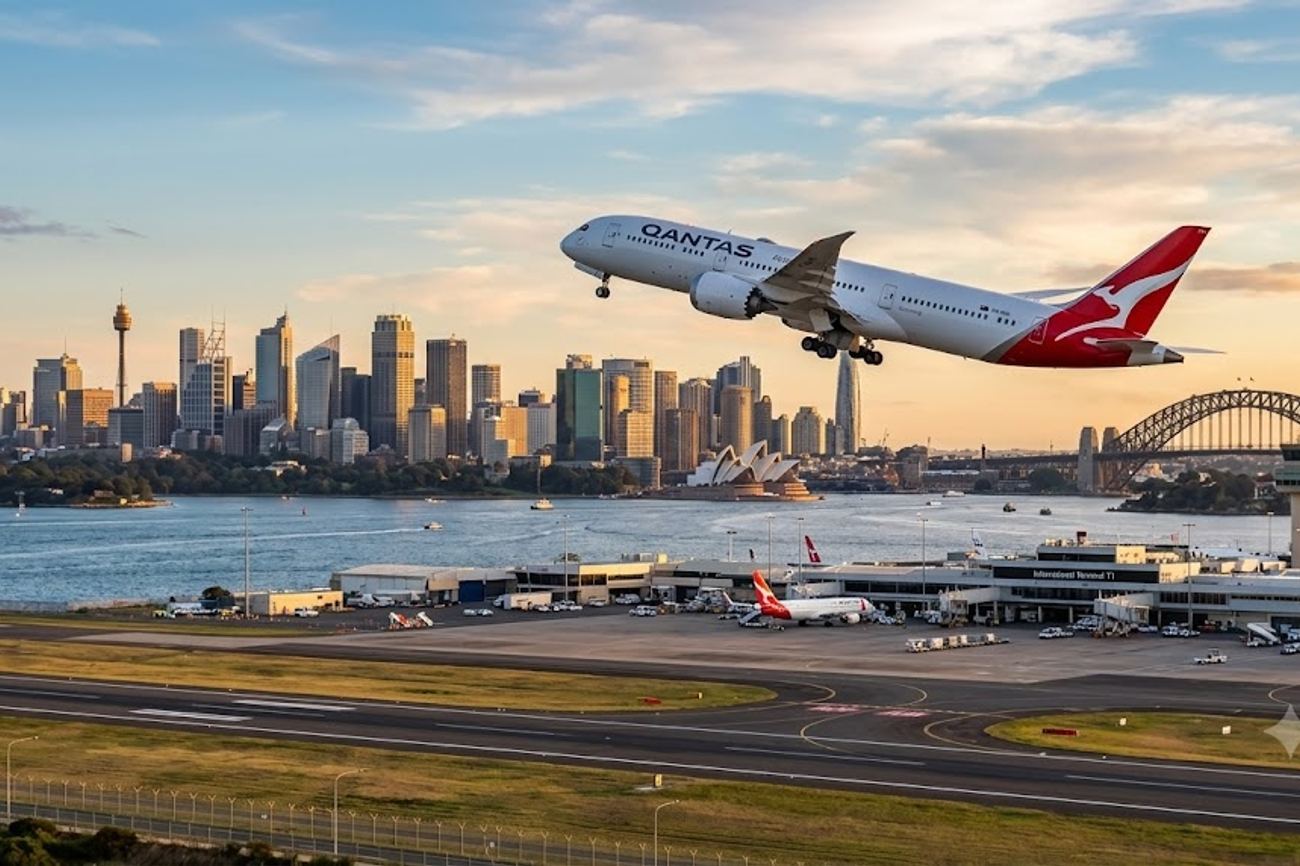
Image generated by AI
While most international travelers instinctively head toward the congestion of Sydney Kingsford Smith, a massive shift in Pacific aviation begins on 26 October 2026. For the first time, passengers can bypass the city center entirely, as Air New Zealand becomes the inaugural international carrier to operate out of the Western Sydney International (WSI) airport.
The Shift to Western Sydney
The aviation map of New South Wales is being redrawn. The introduction of three weekly services between Western Sydney and Auckland represents more than just a new route; it is a strategic pivot toward the fastest-growing region of the city. For years, the journey to the airport meant battling the unpredictable traffic of the M5 or the crowded terminals of the east. Now, the geographic center of gravity for trans-Tasman travel is moving west.
This launch is not merely about convenience for residents of Parramatta or Penrith. It signals a new era for WSI, transforming it from a construction project into a living portal to the Pacific. By securing the first international passenger slot, Air New Zealand is positioning itself to capture a market that has long been underserved by direct international access. The introduction of the "Advisor Fare" alongside these flights suggests a targeted approach to attract a new demographic of travelers—those seeking a more streamlined, curated entry into New Zealand's largest city.
What Makes the Auckland-Sydney Connection Different
Traveling between these two hubs is often treated as a utilitarian hop, but the experience of entering Auckland from a new departure point changes the rhythm of the trip. Auckland is a city defined by its relationship with the water, spread across a narrow isthmus between two harbors. When you land, you aren't just arriving in a city; you are entering a maritime crossroads.
The contrast between the industrial growth of Western Sydney and the volcanic topography of Auckland is stark. Auckland's identity is rooted in its 53 volcanic cones, many of which are now public parks. To truly understand the city, one must move beyond the central business district and explore the fringes where the urban sprawl meets the Waitākere Ranges.
The connection is also deeply cultural. The link between Australia and New Zealand is often viewed through the lens of the "ANZAC" bond, but the modern relationship is one of fluid migration and shared Pacific values. By opening a direct line from Western Sydney, the airline is facilitating a more organic flow of people, reducing the friction of travel and allowing for more spontaneous exchanges between the two nations. For those planning their journey, checking the Official New Zealand Tourism site provides a baseline, but the real magic happens in the suburbs of Ponsonby and Grey Lynn.
Visitor Insider Tips
Having spent significant time navigating both the sprawl of Sydney and the hills of Auckland, there are several nuances that generic guides overlook.
Timing Your Arrival If you are flying into Auckland, avoid the 8:00 AM to 9:30 AM window for airport transfers. The motorway congestion leading into the city can turn a 30-minute trip into a 90-minute ordeal. Instead, utilize the SkyDrive bus or a pre-booked shuttle. If you are departing from WSI, arrive at least three hours early for the first few months of operation. New airports often have "teething" issues with signage and flow, and being the first wave of passengers on a historic route means higher-than-usual curiosity and potential bottlenecks.
The Auckland Neighborhood Guide Do not base yourself in the CBD. While convenient, it lacks the soul of the city. Instead, look for accommodation in Parnell for a sophisticated, village-like feel, or Britomart for high-end design and proximity to the waterfront. If you want to experience the local creative scene, head to the Karangahape Road (K'Road) district, where the architecture is eclectic and the coffee culture is uncompromising.
Local Etiquette and Rhythms In New Zealand, "Kiwi" hospitality is understated. Avoid the loud, assertive communication styles often found in major global hubs. A softer approach goes further here. When visiting Māori sites or marae, always follow the guidance of your host regarding footwear and photography. Respect for the land—mana whenua—is not a suggestion; it is the foundation of the culture.
Transport Hacks In Auckland, the ferry is often faster and more scenic than the bus. To get to Devonport, take the ferry from the downtown terminal. It gives you the best view of the city skyline and drops you in a village with some of the best fish and chips in the Southern Hemisphere. For those renting cars, be aware that Auckland's roads can be winding and narrow; always allow an extra 20 minutes for any journey.
The upcoming launch of Western Sydney International Airport will significantly reshape trans-Tasman travel by providing a secondary hub for flights to New Zealand. Passengers can expect streamlined logistics and expanded capacity, with detailed operational updates available through the Western Sydney Airport official portal.
Cultural and Environmental Context
The expansion of aviation infrastructure, such as the opening of WSI, always brings a tension between economic growth and environmental stewardship. In Western Sydney, the development of a second international airport is a catalyst for jobs and regional investment, but it also places pressure on local ecosystems and increases noise pollution for surrounding communities.
Similarly, Auckland faces the challenge of "overtourism" at its most iconic spots. The pressure on the UNESCO World Heritage sites and national parks in New Zealand has led to a shift toward "regenerative tourism." This is the idea that visitors should leave a place better than they found it.
The relationship between the traveler and the destination is evolving. No longer is it enough to simply visit; there is an expectation that tourists contribute to the preservation of the environment. In Auckland, this manifests as a push to reduce plastic waste in the harbors and a greater emphasis on supporting indigenous-led tourism ventures. By choosing operators that prioritize environmental restoration, travelers can help ensure that the volcanic landscapes and pristine coastlines remain intact for future generations.
The interaction between the new WSI flights and the local community in Western Sydney will also be a point of observation. As the region transforms into an international hub, the risk is the "airport city" effect—where the area becomes a sterile zone of hotels and warehouses. The goal for local planners is to integrate the airport into the existing social fabric, ensuring that the economic benefits reach the residents of the west, not just the airline shareholders.
FAQ: Visiting Auckland 2026
What is the best time to visit Auckland? The austral summer (December to February) offers the best weather for beaches and hiking. However, for those seeking fewer crowds and lower prices, the shoulder seasons of March to May provide mild temperatures and stunning autumn colors.
Do I need a visa for New Zealand? Australian citizens generally do not need a visa. Most other nationalities require an NZeTA (New Zealand Electronic Travel Authority), which should be applied for online at least 72 hours before departure.
How do I get from Auckland Airport to the city center? The most efficient options are the SkyDrive bus service or ride-share apps. For those on a budget, the airport is well-connected via public transport, though this takes significantly longer than a direct vehicle.
Is Auckland safe for solo travelers? Yes, Auckland is generally very safe. Standard urban precautions apply, particularly in the city center late at night. The locals are famously helpful, and the city is highly walkable in the central and suburban districts.
The horizon of the Pacific just got a little closer for the people of the West.
Related Travel Guides
Disclaimer
This article is for informational and educational purposes only. It does not constitute legal, financial, or professional advice. While we strive to provide accurate and up-to-date information, travel policies, regulations, and conditions change rapidly. Always verify information with official sources before making travel decisions. Nomad Lawyer makes no representations about the accuracy, reliability, completeness, or suitability of the information provided. Readers should consult qualified professionals for advice specific to their circumstances. The views expressed in this article are those of the author and do not necessarily reflect the views of Nomad Lawyer.
Naina Thakur
Contributor & Travel Specialist
Travel enthusiast and legal writer covering visa regulations, responsible tourism, and cultural journeys across global destinations.
Learn more about our team →