
Switzerland’s Titlis Emerges as a Must Visit Alpine Destination for Adventure Travellers
Switzerland’s Titlis Emerges as a Must Visit Alpine Destination for Adventure Travellers

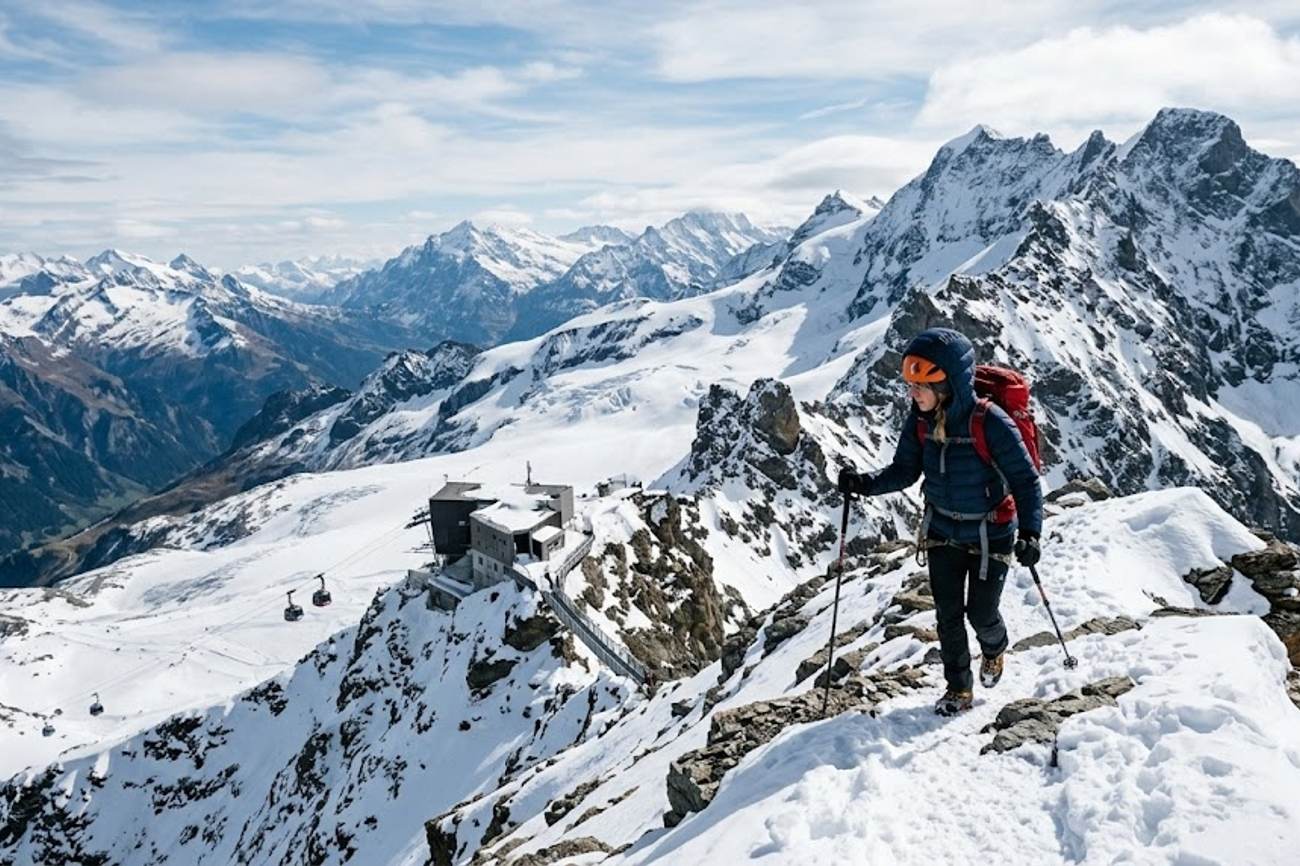
Image generated by AI
Swiss Alpine tourism has transitioned from seasonal winter dependency to a year-round revenue model, with high-altitude destinations like Mount Titlis leveraging infrastructure to maintain occupancy during traditional shoulder seasons. While historical Alpine travel patterns saw a sharp decline in visitors between May and October, the integration of permanent glacier attractions and specialized transport has stabilized the visitor flow, mirroring a broader trend across the Swiss Alps where "experience-based" tourism now outweighs traditional skiing in growth percentage.
The Titlis Infrastructure Metric — Accessibility as a Growth Driver
The operational success of Mount Titlis is predicated on the removal of physical barriers to high-altitude environments. By utilizing the Titlis Rotair—the first revolving cable car of its kind—the destination has converted a transit necessity into a primary product. This shift is critical because it expands the addressable market from "mountaineers" to "general tourists," including seniors and families who cannot navigate 3,062-metre elevations on foot.
Data indicates that the summit's accessibility is the primary driver for its popularity among first-time Switzerland visitors. The ability to transition from the village of Engelberg to a 360-degree panorama of the Alpine peaks via a controlled, comfortable ascent allows Titlis to capture a higher share of the day-trip market from hubs like Zurich and Lucerne. This "low-friction" access is a benchmark for modern mountain resorts seeking to maximize throughput without compromising the environmental integrity of the peak.
Comparative Alpine Market Analysis
When comparing Mount Titlis to traditional Alpine destinations, a clear pattern emerges: the shift toward "Active Observation." While older models of tourism focused on passive viewing or high-skill sports (skiing/climbing), Titlis has implemented a diversified attraction portfolio. The Titlis Cliff Walk, one of Europe's highest suspension bridges, and the Glacier Cave represent a strategic move toward "Instagrammable" infrastructure—attractions designed specifically to drive social media visibility and repeat international visits.
According to data from the World Travel & Tourism Council (WTTC), the demand for sustainable yet adventurous luxury travel has surged. Titlis aligns with this by offering high-adrenaline experiences (Cliff Walk) paired with high-comfort logistics (Rotair).
The following table illustrates the shift in Alpine attraction utility:
| Metric | Traditional Alpine Model | Titlis Integrated Model | Market Impact |
|---|---|---|---|
| Primary Access | Hiking/Ski Lifts | Revolving Cable Car (Rotair) | Increased Senior/Family Volume |
| Seasonality | Winter Peak / Summer Low | Year-Round (Glacier Park) | Stabilized Annual Revenue |
| Activity Type | Passive Viewing/Sport | Active Observation (Cliff Walk) | Higher Per-Visitor Spend |
| Entry Barrier | High (Physical Fitness) | Low (Infrastructure-led) | Expanded Global Demographic |
What This Means for Travelers
For the individual traveler, the data suggests that the "single-day excursion" model is now the most efficient way to experience the Swiss Alps. Because Titlis is integrated into the broader Swiss transport network, travelers staying in Lucerne or Zurich can execute a full summit visit without the need for overnight Alpine lodging, which typically carries a significant price premium.
Booking Strategy for Q3 and Q4: If you are planning a visit during the summer or autumn months, the existence of the Glacier Park means snow activities are available regardless of the valley temperature. However, because these attractions are "low-friction," they are prone to overcrowding during peak European holiday windows. To avoid queues for the Rotair and the Cliff Walk, booking tickets via the official Titlis platform in advance is no longer optional—it is a requirement for time management.
Furthermore, travelers should leverage the Swiss Travel Pass. Data on Swiss transport pricing shows that bundling mountain transport discounts with rail passes significantly reduces the total cost of ownership for a Titlis trip. Those visiting in the shoulder season (October/November) should monitor weather forecasts daily, as visibility at 3,062 metres can fluctuate rapidly, potentially rendering the 360-degree panorama inaccessible.
Projection: The Future of High-Altitude Tourism
The trajectory of Mount Titlis suggests a wider industry move toward "Climate-Proofing" tourism. As lower-altitude resorts struggle with inconsistent snowfall, destinations with permanent glacier features and high-altitude infrastructure are becoming the primary anchors for national tourism boards. We expect to see an increase in "bundled" alpine experiences where transport, dining, and adventure are sold as a single SKU to increase the average transaction value per visitor.
The integration of the Glacier Cave and Cliff Walk shows that the industry is moving away from "nature for nature's sake" and toward "curated nature." This means more engineered experiences—bridges, tunnels, and revolving cabins—that allow humans to interact with extreme environments without the risks associated with traditional mountaineering. As noted by IATA, the rise in international arrivals to Switzerland is closely linked to the development of these high-accessibility hubs.
FAQ: Mount Titlis Trends 2024-2025
Will ticket prices increase for the 2025 season? Yes. Following the trend of "experience-based" pricing, seasonal fluctuations are becoming more pronounced. Prices are expected to peak during the winter holidays and mid-summer, with discounts available for those using Swiss travel passes.
Is it a good time to book a summer visit? Yes, provided you utilize the Glacier Park. The data shows a growing trend of "summer snow" tourism, making Titlis a viable option for those wanting winter experiences in July or August.
Which transport method is most efficient for reaching Engelberg? The Swiss rail network remains the gold standard. Connecting via Lucerne allows travelers to synchronize their arrival with the cable car schedule, reducing dwell time in the village.
Are the high-altitude attractions safe for non-adventurers? Absolutely. The infrastructure is designed for "low-friction" access, meaning the Cliff Walk and Glacier Cave are engineered for safety, making them accessible to families and seniors.
The era of the rugged mountaineer is being eclipsed by the era of the accessible peak.
#SwitzerlandTourism2024 #MountTitlisGrowth #AlpineInfrastructure #SwissTravelData #HighAltitudeTourism #EngelbergMarketAnalysis
Related Travel Guides
- Bermuda Cruise Travel Sees Busy Port Window Across Dockyard and Hamilton as St George’s Ferry Capacity Grows
- Worlds Most Spectacular Travel Destination Cruise Routes Revealed With Breathtaking Adventures Across Eight Iconic Places
- Oman’s Jabal Akhdar Enters New Gulf Tourism Era as GCC Tourism Capital 2027 Sparks Historic Growth Wave
Disclaimer
This article is for informational and educational purposes only. It does not constitute legal, financial, or professional advice. While we strive to provide accurate and up-to-date information, travel policies, regulations, and conditions change rapidly. Always verify information with official sources before making travel decisions. Nomad Lawyer makes no representations about the accuracy, reliability, completeness, or suitability of the information provided. Readers should consult qualified professionals for advice specific to their circumstances. The views expressed in this article are those of the author and do not necessarily reflect the views of Nomad Lawyer.
Naina Thakur
Contributor & Travel Specialist
Travel enthusiast and legal writer covering visa regulations, responsible tourism, and cultural journeys across global destinations.
Learn more about our team →