
Travel Alert: Switzerland Issues Updated Safety Guidance for US Visitors
Switzerland issues a new travel advisory warning Swiss citizens traveling in the US to stay alert to identity fraud, crime, and natural disasters.

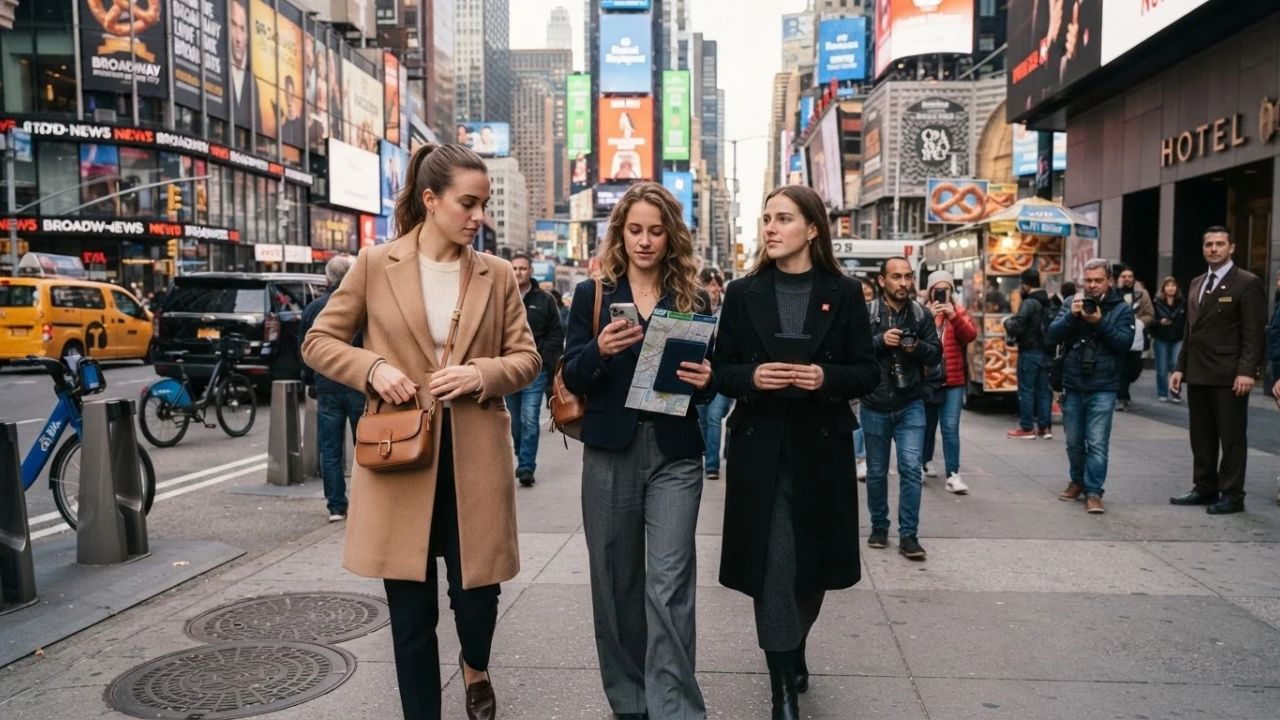
Image generated by AI
Switzerland has issued a new travel advisory warning Swiss citizens traveling in the United States to stay vigilant against identity theft, credit card fraud, and seasonal natural disasters. While affirming that travel to the US is generally safe, the Swiss Federal Department of Foreign Affairs urges caution in crowded public spaces, nightlife districts, and volcanic active zones.
The Evolution of Travel Advisories and Digital Risks
A significant trend in international travel safety is the focus of national advisory updates on modern digital and financial hazards. Historically, travel warnings focused primarily on geopolitical instability or violent crime. Today, civil aviation and foreign affairs departments are expanding their advisories to address credit card skimming, identity theft, and climate-related emergencies.
As transcontinental travel recovers, foreign departments are providing detailed safety parameters. These updates encourage visitors to protect personal data, monitor digital banking transactions, and plan for localized natural hazards, helping them navigate complex international destinations safely.
Key Safety and Crime Warnings for US Travel
The Swiss Federal Department of Foreign Affairs (FDFA) advisory identifies several safety areas where international tourists should exercise caution:
- Identity and Payment Fraud: Skimming devices at suspicious ATMs or payment machines represent a growing threat to traveler cards. The advisory recommends monitoring transactions regularly and using secure payment methods.
- Urban Petty Crime: Pickpocketing, bag theft, and mobile phone snatching occur in crowded visitor locations, public transport hubs, and major cities.
- Rental Car Break-Ins: The guidance highlights the risk of car break-ins, advising visitors never to leave luggage, electronics, or valuables visible in parked vehicles.
- Nightlife Safety: The warning highlights risks involving substances or narcotics added to unattended drinks, food, or cigarettes in entertainment venues.
Swiss authorities recommend utilizing hotel safes for passports and original documents, keeping copies available for local identification when required.
Civil Unrest, Crowded Spaces, and Natural Hazards
The Swiss guidance also addresses public gatherings, security warnings, and environmental risks:
- Demonstrations and Curfews: Political protests and demonstrations can result in sudden road closures, public transit disruptions, curfews, or increased police presence. Travelers are advised to avoid large crowds where tensions are rising.
- Public Safety Warnings: Visitors are urged to remain aware of their surroundings in crowded areas—such as shopping centers, restaurants, sports events, and cultural venues—and follow instructions from local security forces.
- Long-Distance Driving: Given the vast distances, the advisory cautions against underestimating road travel, citing changing winter conditions (heavy snow, freezing rain, blizzards) and the risk of wildlife crossings in rural areas.
- Wildfire Risks: Seasonal wildfires in forested areas can affect air quality, lead to evacuation orders, and cause sudden changes to travel itineraries.
- Volcanic Activity: Tourists visiting active volcanic zones in the Western US, Alaska, and Hawaii should travel with experienced local guides and respect restricted boundaries.
Swiss Travel Advisory Highlights for the United States
The table below breaks down the key safety, financial, and environmental parameters detailed in the updated advisory:
| Risk Category | Key Hazard Identified | Recommended Precaution | Targeted Areas or Regions |
|---|---|---|---|
| Financial Security | Identity theft & card skimming | Check bank statements regularly | Public ATMs and retail machines |
| Property Protection | Rental vehicle break-ins | Store luggage out of sight | City tourist parking zones |
| Civil Safety | Demonstrations & curfews | Avoid protests & follow local news | Urban plazas and municipal districts |
| Nightlife Security | Drink spiking & substance risk | Never leave beverages unattended | Clubs and entertainment venues |
| Road Safety | Winter storms & wildlife | Monitor local weather forecasts | Rural highways and remote routes |
| Natural Hazards | Wildfires & volcanic activity | Respect barriers and evacuation orders | Western US, Alaska, and Hawaii |
These coordinates help travelers plan their routes and manage potential risks during their journey across the United States.
Environmental Management and Local Heritage Conservation
For the traveler, the real impact of following regional safety advisories is the support it provides to local emergency services and conservation bodies. Respecting national park campfire restrictions during wildfire seasons and obeying volcanic zone barriers protects fragile ecosystems from human-induced damage.
Furthermore, booking tours through registered local guides in volcanic or wilderness areas ensures that travel spending directly supports regional economies and funds park conservation infrastructure. Choosing slow-travel driving habits and carpooling on long-distance routes also helps reduce emissions, preserving the natural parks that draw international visitors.
For example, you can explore the changing dynamics of Youth Innovation: SriLankan Airlines Sponsors Student Delegate for Mission ShakthiSAT to see how regional travel sponsorships are managed. For budget-conscious travelers, aligning slow city travel with municipal transit options mirrors similar regional initiatives, such as the Free Admission at Select US State Parks programs. This trend is similar to the tourism growth seen in other destinations, as detailed in our guide on how Utica, New York Emerges as an Affordable Northeast Tourism Hub.
Visitor Insider Tips: Preparing for Your US Trip
If you are planning to travel to the United States, keep these destination safety tips in mind:
- Review ATM Keypads Before Use: Before inserting your card, check the card slot and keypad for loose or mismatched parts, which can indicate skimming devices.
- Download Local Weather Apps: During winter or wildfire seasons, monitor updates from the US National Weather Service (NWS) and emergency authorities to track road closures.
- Lock Valuables in Your Hotel Safe: Keep original passports and extra credit cards secured in your hotel room safe, carrying only necessary items during daily excursions.
- Keep Your Luggage in the Trunk: When traveling between cities in a rental car, store all bags and backpacks in the locked trunk out of sight before parking.
- Identify Emergency Exits in Large Venues: When attending sports events, concerts, or visiting crowded malls, take note of the nearest emergency exit points upon entry.
Long-Term Outlook for International Travel Safety
The long-term outlook for international travel safety is focused on the expansion of digital passport controls, biometric identity check gates, and real-time weather monitoring apps. As national authorities continue to collaborate on cyber security and tourism safety, staying informed through official government portals will remain central to international journey planning.
By preparing for travel hazards and respecting local regulations, visitors can ensure their travel remains safe, organized, and enjoyable.
FAQ
Does the Swiss advisory discourage travel to the United States?
No. The Swiss FDFA notes that travel to the United States is generally safe, but advises visitors to remain alert to digital fraud, urban crime, and natural hazards.
What are the main financial risks highlighted in the advisory?
The advisory warns travelers about credit card skimming, payment fraud, and digital identity theft at public transaction terminals.
What areas carry volcanic hazard warnings?
Volcanic risks are identified in parts of the Western United States, Alaska, and Hawaii, where travelers should follow local instructions.
What should drivers watch out for in rural areas?
Drivers should monitor road conditions during winter storms and remain alert to wildlife crossings, which can create significant accident risks.
Stay updated on the travel safety guidelines and regulatory advisories shaping international travel.
Related Travel Guides
Disclaimer
This article is for informational and educational purposes only. It does not constitute legal, financial, or professional advice. While we strive to provide accurate and up-to-date information, travel policies, regulations, and conditions change rapidly. Always verify information with official sources before making travel decisions. Nomad Lawyer makes no representations about the accuracy, reliability, completeness, or suitability of the information provided. Readers should consult qualified professionals for advice specific to their circumstances. The views expressed in this article are those of the author and do not necessarily reflect the views of Nomad Lawyer.
Raushan Kumar
Founder & Lead Developer
Full-stack developer with 11+ years of experience and a passionate traveller. Raushan built Nomad Lawyer from the ground up with a vision to create the best travel and law experience on the web.
Learn more about our team →