SWISS Resumes Zurich to Buenos Aires Flights After 1,850-Metre Runway Restriction at Ezeiza

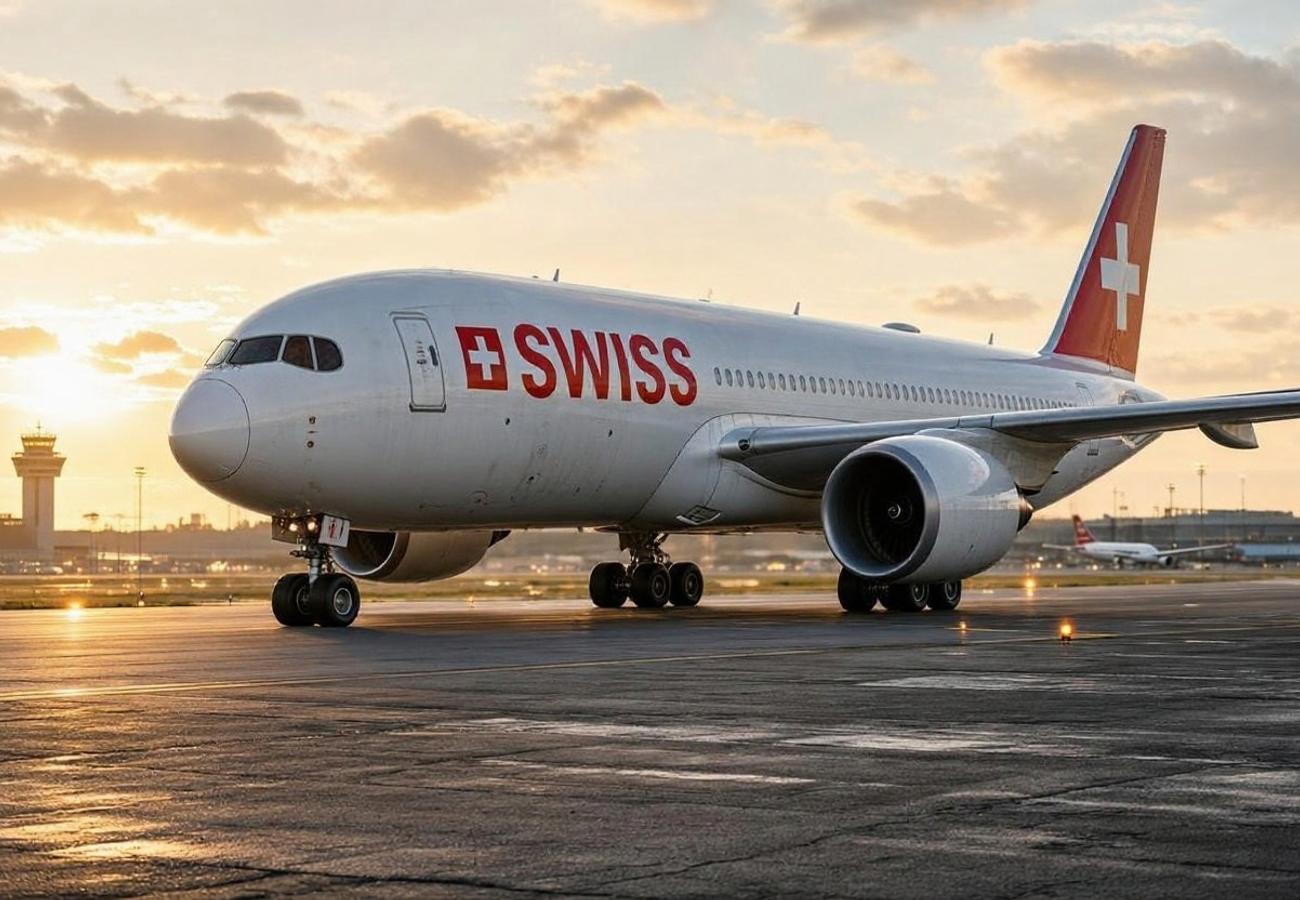
Image generated by AI
A 60 per cent load factor marked the return of SWISS International Air Lines to Buenos Aires on November 14, 2026. The arrival of the Boeing 777-300ER (registration HB-JNK), carrying 192 passengers from Zurich via São Paulo, signaled the end of a nearly three-week operational suspension. This restoration follows a period of severe infrastructure constraints at Ministro Pistarini International Airport (Ezeiza), which forced several intercontinental carriers to truncate their routes or adjust schedules.
The Physics of the Ezeiza Shutdown
The disruption was not a result of market volatility or airline strategy, but a matter of basic aviation physics. Between October 25 and November 11, 2026, Ezeiza underwent critical runway renovations. During this window, the usable length of the primary runway was slashed from approximately 3,300 metres to just 1,850 metres.
For long-haul operators, this reduction created a mathematical impossibility for safe operations. Heavy aircraft, such as the Boeing 777-300ER, require significant takeoff distance when fully loaded with the fuel necessary for transcontinental leaps. With the runway length reduced by nearly 44%, SWISS International Air Lines was forced to terminate its service at São Paulo, removing the Buenos Aires leg of its Zurich–São Paulo–Buenos Aires rotation.
Operational Impact and Recovery Data
The restrictions at Ezeiza did not affect SWISS in isolation. The infrastructure bottleneck impacted a wide array of global carriers that rely on heavy-lift aircraft for South American connectivity.
| Metric/Entity | Detail |
|---|---|
| Restricted Runway Length | 1,850 metres (down from ~3,300m) |
| Restriction Period | October 25 – November 11, 2026 |
| Returning Aircraft | Boeing 777-300ER (HB-JNK) |
| Passenger Count (Nov 14) | 192 passengers |
| Load Factor | 60% |
| Total Seat Capacity | 320 seats |
| Affected Carriers | SWISS, Emirates, British Airways, Turkish Airlines, Air Canada, Ethiopian Airlines |
Expert Analysis: The Logistics of Hub-and-Spoke Vulnerability
For travelers booking routes into Argentina, this incident highlights a critical vulnerability in the "hub-and-spoke" model. The Zurich–São Paulo–Buenos Aires route relies on two major gateways to function. When the final "spoke" (Buenos Aires) is severed due to technical restrictions, the entire utility of the route for Argentine-bound passengers vanishes, regardless of how efficient the International Air Transport Association (IATA) standards for the other hubs might be.
The pricing pressure created by such restrictions is often invisible but immediate. When major carriers like British Airways or Emirates are forced to limit capacity, remaining available seats on alternative routes typically see a price spike. For the nomad or business traveler, the direct consequence is a loss of flexibility and an increase in transit times.
However, the long-term outlook is positive. The Argentine government's investment in the "Golf apron"—designed to house seven aircraft—and the runway overhaul is projected to extend the infrastructure's lifespan by 20 to 25 years. This suggests a strategic move to stabilize Argentina's position as a primary South American entry point, reducing the likelihood of similar "technical blackouts" in the future.
Key Takeaways
- Infrastructure Overhaul: The three-week hiatus was caused by a runway reduction from 3,300m to 1,850m at Ezeiza.
- Capacity Restoration: SWISS has returned to full service using Boeing 777-300ER aircraft with a 320-seat configuration.
- Systemic Impact: Multiple global carriers, including Emirates and Air Canada, faced similar operational hurdles during the renovation window.
- Long-term Gain: The completed works are expected to extend the runway's operational viability for the next two decades.
- Route Logistics: The restored connection re-establishes the vital Zurich-São Paulo-Buenos Aires corridor.
FAQ: Buenos Aires Aviation 2026
Why were flights to Buenos Aires cancelled in October 2026? Flights were disrupted due to scheduled runway renovations at Ezeiza International Airport. The runway length was temporarily reduced to 1,850 metres, which was insufficient for heavy, long-haul aircraft to take off safely.
Which airlines were affected by the Ezeiza runway works? Major international carriers including SWISS, Turkish Airlines, Emirates, British Airways, Air Canada, and Ethiopian Airlines had to adjust their schedules or limit services.
Is the SWISS flight from Zurich direct to Buenos Aires? No, the service operates as a multi-stop route, typically connecting through Zurich and São Paulo before arriving at Ministro Pistarini International Airport (Ezeiza).
What aircraft does SWISS use for the Buenos Aires route? SWISS utilizes the Boeing 777-300ER, which features a 320-seat capacity divided among First, Business, Premium Economy, and Economy classes.
The return of the 777 is more than a flight arrival; it is the restoration of a critical economic artery between Europe and the Southern Cone.
Related Travel Guides
This article is for informational purposes. Flight routes, passenger regulations, visa rules, and transit advisories are subject to change by airlines and aviation authorities. Readers are advised to verify schedules and travel documentation with relevant carriers and border agencies before departure.
Related Stories
United Airlines Boeing 777-200ER N27015 Connects Tokyo Haneda to Washington Dulles in 2026
Asia Aviation Crisis 2026: 4,544 Flight Disruptions Hit Bangkok, Tokyo and Delhi Hubs