
Norway Implements Tourist Tax Across Lofoten Islands
Lofoten Islands introduce tourist taxes to combat overtourism. Learn about the new fees, infrastructure impact, and visitor requirements for Northern Norway.

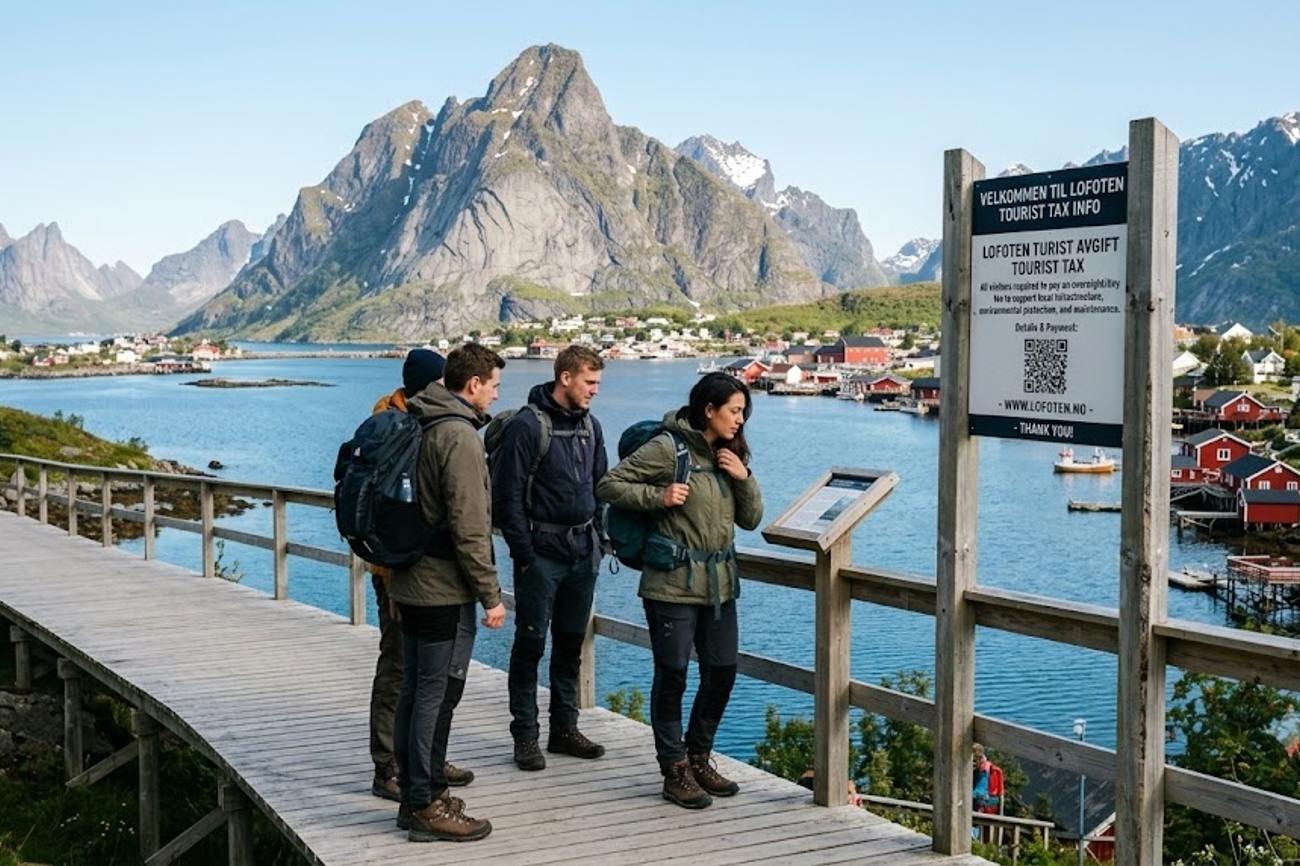
Image generated by AI
The Disruption Details
Municipalities across Nordland County are shifting toward a regenerative tourism model to address the financial imbalance caused by millions of annual visitors. Historically, the costs for waste management, rescue operations, and the maintenance of Sherpa-built stone staircases were borne by local taxpayers.
To rectify this, new fiscal policies are being phased in across upcoming travel seasons. These taxes are legally earmarked for the upkeep of public facilities and the protection of sensitive Arctic flora and nesting bird colonies.
Infrastructure & Access Impact
The influx of visitors has created significant bottlenecks in the region's remote geography. The following areas are seeing the highest impact:
- Transport Networks: Narrow coastal roads and limited ferry capacities are experiencing peak-season congestion.
- Parking: Restricted parking zones are under severe strain, leading to the implementation of localized parking levies.
- Nature Trails: High-traffic mountain paths and tundra vegetation are suffering degradation, necessitating the funding of upgraded boardwalks and designated trails.
- Public Amenities: Sanitation infrastructure and waste disposal systems are being modernized to handle transient international volumes.
Passenger Rights & Advisory
For the traveler, these legislative changes mean that the cost of visiting the Lofoten Islands will increase through various collection methods. Our analysis of the proposed models indicates three primary ways these fees will be applied:
- Accommodation Fees: Expect "bed taxes" to be integrated directly into your hotel or rorbu (fishing hut) invoices.
- Access Fees: Dedicated visitor fees may be required to enter high-traffic nature sites.
- Digital Payments: Travelers should prepare for the rollout of digital parking payment systems and integrated visitor passes.
Pro Tip: To avoid logistical delays, we advise travelers to secure advance bookings for popular hiking trails and verify if their accommodation has already bundled the tourist tax into the booking price to avoid double-payment at the municipal level.
Industry Analyst View
This move by Nordland County reflects a broader Nordic shift away from maximizing visitor volume in favor of economic resilience. By transitioning to a "user-pays" model, Lofoten is attempting to preserve the Allemannsretten (right to roam) while ensuring the physical environment can sustain the traffic. This framework serves as a pilot for other vulnerable European destinations facing similar overtourism pressures.
Related Travel Guides
Disclaimer
This article is for informational and educational purposes only. It does not constitute legal, financial, or professional advice. While we strive to provide accurate and up-to-date information, travel policies, regulations, and conditions change rapidly. Always verify information with official sources before making travel decisions. Nomad Lawyer makes no representations about the accuracy, reliability, completeness, or suitability of the information provided. Readers should consult qualified professionals for advice specific to their circumstances. The views expressed in this article are those of the author and do not necessarily reflect the views of Nomad Lawyer.
Raushan Kumar
Founder & Lead Developer
Full-stack developer with 11+ years of experience and a passionate traveller. Raushan built Nomad Lawyer from the ground up with a vision to create the best travel and law experience on the web.
Learn more about our team →