Hamburg NextReality Festival 2026 Integrates AI and VR into UNESCO Speicherstadt Heritage District

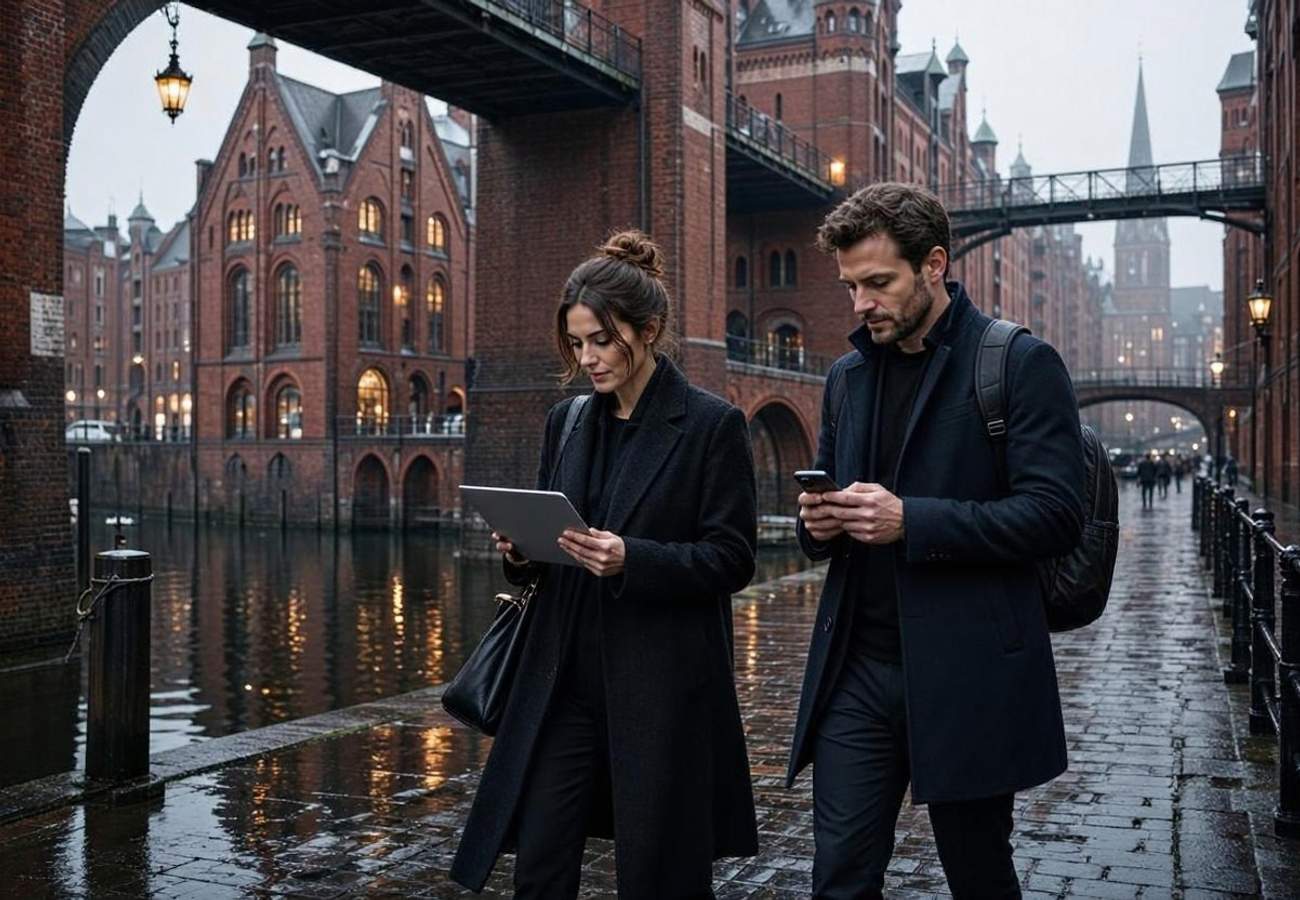
Image generated by AI
Cultural tourism in Germany is shifting from passive observation to immersive interaction, with Hamburg now positioning its UNESCO World Heritage sites as hubs for digital experimentation. The upcoming nextReality Festival, scheduled for 18-19 November 2026, represents a calculated move to blend 19th-century industrial architecture with 21st-century artificial intelligence, a trend mirrored in the growing global market for "phygital" (physical + digital) travel experiences.
The Trend in Numbers: Immersive Integration
The nextReality Festival is not a standard tech trade show; it is a targeted deployment of immersive media within a high-value heritage zone. The scale of the 2026 event indicates a significant investment in the "creative economy" segment of Hamburg's tourism strategy.
The event will be hosted at SPACE Hamburg (Am Sandtorkai 27) and is managed by nextReality.Hamburg e.V. The operational data for the festival reveals a high density of expertise packed into a 48-hour window:
- Speaker Volume: Over 40 industry experts.
- Infrastructure: Four dedicated conference stages.
- Technological Scope: Integration of Virtual Reality (VR), Augmented Reality (AR), Mixed Reality (MR), and Artificial Intelligence (AI).
- Milestone: The 10th annual edition of the nextReality.Contest, highlighting a decade of consistent growth in the region's immersive media sector.
This concentration of tech-tourism is designed to attract a specific demographic: the "creative professional" traveler. According to data trends tracked by the World Tourism Organization (UNWTO), there is a rising demand for travel that combines professional networking with authentic cultural immersion.
Comparative Context: Heritage vs. High-Tech
The selection of the Speicherstadt—the historic warehouse district inscribed as a UNESCO World Heritage site in 2015—is a strategic contrast. While most tech conferences occupy sterile convention centers, Hamburg is leveraging "architectural friction" to increase the destination's appeal.
The following table compares the traditional tourism draw of the Speicherstadt district against the new "NextReality" value proposition.
| Metric | Traditional Heritage Tourism | NextReality Festival Integration |
|---|---|---|
| Primary Draw | Red-brick architecture & canals | AI, VR, and Mixed Reality labs |
| Visitor Intent | Sightseeing and photography | Networking and tech-innovation |
| Engagement Mode | Passive observation | Interactive/Immersive participation |
| Economic Driver | General leisure spending | Business-to-Business (B2B) & Creative spend |
| Key Landmark | Chilehaus / Historic Warehouses | SPACE Hamburg / Digital Exhibits |
By placing the festival in the Kontorhaus District and Speicherstadt, Hamburg is competing with other European tech hubs like Berlin and Tallinn. This approach aligns with broader patterns seen in IATA reports regarding the rise of "bleisure" (business + leisure) travel, where professional events are used as anchors for longer city-break itineraries.
What This Means for Travelers
For the individual traveler or digital nomad, the nextReality Festival transforms a standard trip to Hamburg into a high-utility professional opportunity. If you are planning to visit Northern Germany in November 2026, the data suggests the following actionable strategies:
- Booking Window: Because the festival attracts a concentrated burst of international professionals over just two days (18-19 November), hotel occupancy in the HafenCity and Speicherstadt areas is expected to spike. Booking accommodation 12-16 weeks in advance is recommended to avoid premium pricing.
- Itinerary Layering: The festival's location allows for a "layered" itinerary. Travelers can pivot from the high-tech environment of SPACE Hamburg to the analog history of the Chilehaus or the miniature precision of Miniatur Wunderland within a 2-kilometer radius.
- Logistical Planning: November in Hamburg is characterized by volatile weather. The transition between the indoor AI exhibits and the outdoor UNESCO canal walks requires adaptable clothing. Use the city's extensive rail and public transit network to reach the Am Sandtorkai area, as parking in the historic district is extremely limited.
Forward Projection: The Future of Destination Storytelling
The trajectory of the nextReality Festival suggests that Hamburg is testing a blueprint for "Interactive Heritage." We are moving toward a future where UNESCO sites are no longer just preserved ruins but are augmented by AI-driven storytelling.
Based on current growth in immersive media, we can project that by 2027-2028, these "festival" elements will become permanent fixtures. Expect to see AR-guided tours of the Speicherstadt that allow visitors to see the warehouses as they functioned in the 1800s, powered by the same AI frameworks discussed at this year's event. This shift will likely increase the average length of stay for cultural tourists, as "digital layers" provide more content than a physical walkthrough alone.
FAQ: Hamburg NextReality Festival 2026
Will ticket prices increase closer to the event? Yes. Based on previous editions of the nextReality.Contest and festival, early registration is advised. Ticket categories vary, and professional networking passes typically sell out faster than general admission.
Is this event suitable for non-tech professionals? Absolutely. The festival is designed for a broad audience, including designers, educators, and culturally curious travelers. It serves as an entry point for those unfamiliar with VR/AR.
Which areas of Hamburg should I stay in for easy access? HafenCity is the most convenient choice for proximity to the venue. For a more traditional experience, look for hotels near the Hamburg Hauptbahnhof (Central Station) and use public transit.
Can I visit the UNESCO sites without attending the festival? Yes. The Speicherstadt and Kontorhaus districts are open public areas. You can explore the architecture and canals independently of the event.
The intersection of red-brick history and silicon-valley ambition is redefining the German city-break.
Related Travel Guides
This article is for informational purposes. Flight routes, passenger regulations, visa rules, and transit advisories are subject to change by airlines and aviation authorities. Readers are advised to verify schedules and travel documentation with relevant carriers and border agencies before departure.
Related Stories

MakeMyTrip Launches Travel Ka Muhurat Sale 2026 With 35 Airlines and 33,500 Hotels
US Luxury Hotel Market 2026: Elite Sanctuaries in New York, LA, Chicago, and Miami