Asia Aviation Crisis 2026: 4,544 Flight Disruptions Hit Bangkok, Tokyo and Delhi Hubs

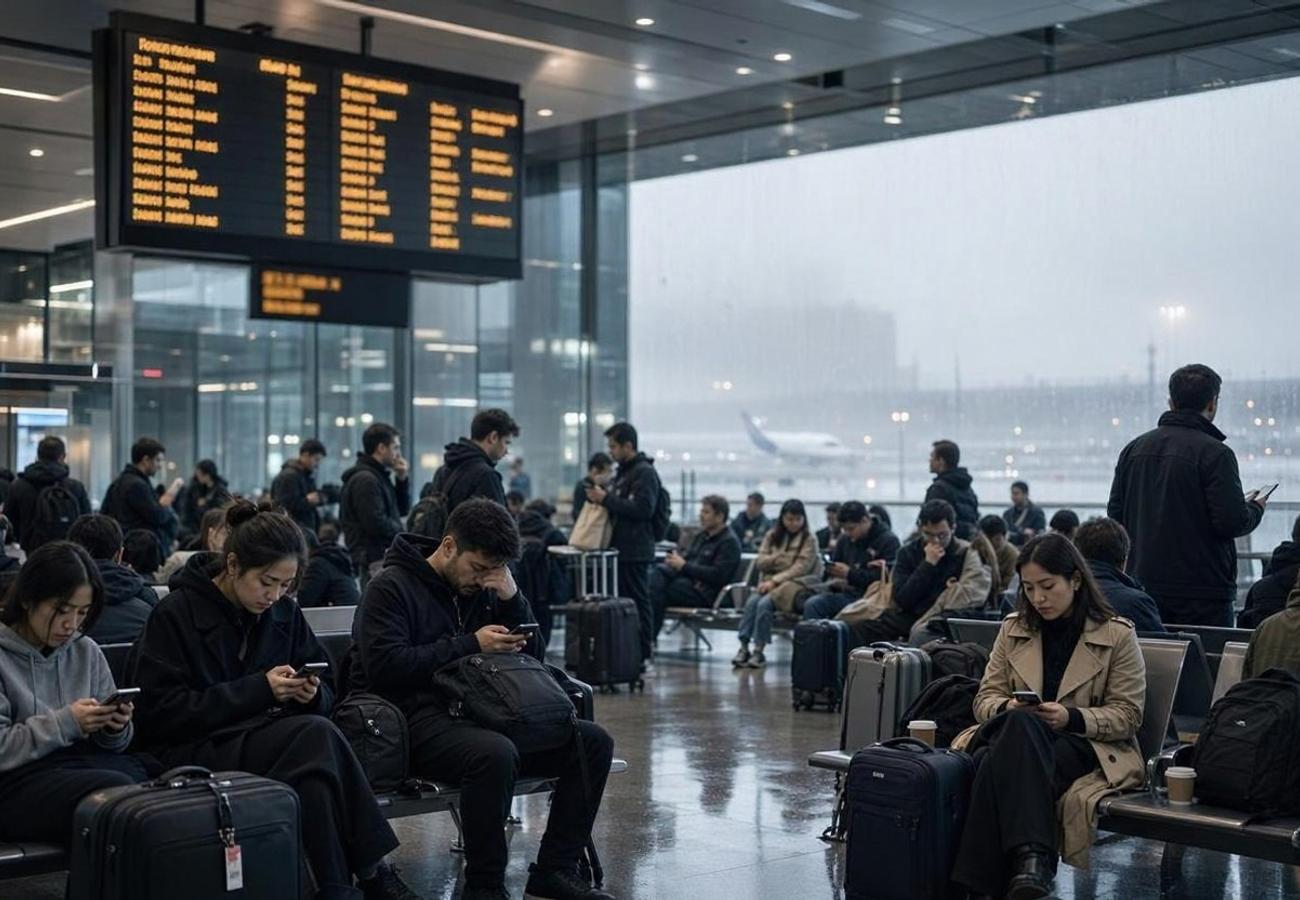
Image generated by AI
4,544 flight disruptions paralyzed Asian aviation networks on November 14, 2026, including 4,212 delays and 332 total cancellations. This systemic failure spanned the continent's most critical hubs, from Bangkok to Tokyo, revealing a dangerous fragility in the intersection of global digital infrastructure and regional air traffic management.
The Convergence of Systemic Failures
The scale of the November 14 collapse was not the result of a single event, but a "perfect storm" of technical malfunctions and environmental hazards. The disruption was stratified across three primary catalysts: digital infrastructure failure, international regulatory friction, and severe meteorological events.
In Japan, the ripple effects of a malfunction within the United States air traffic control system triggered significant instability. Tokyo Haneda Airport confirmed that this US-based failure disrupted flights traveling to and from North America, but the impact extended far beyond direct routes. All Nippon Airways (ANA) and Japan Airlines (JAL) both reported that aircraft rotation adjustments—where a delayed plane from the US cannot be used for a subsequent regional flight—caused a domino effect across their international networks.
Simultaneously, a Microsoft service outage on November 13 crippled operations for several Indian carriers. The fallout was immediate: SpiceJet cancelled three specific services from Delhi to Pune, Leh, and Mumbai. Major players including Air India, IndiGo, and Akasa Air were forced to issue urgent passenger advisories as their internal operational technology failed.
Regional Disruption Data: November 14, 2026
The following data outlines the concentration of delays and cancellations across the most affected aviation hubs.
| Airport / Region | Delays | Cancellations | Primary Cause |
|---|---|---|---|
| Bangkok Suvarnabhumi | 293 | 5 | Runway/Taxiway Maintenance & Fog |
| Mumbai (CSMIA) | 287 | 14 | Weather & Tech Outages |
| Shanghai Pudong | 265 | 13 | Dense Fog |
| Delhi (IGIA) | 210 | 15 | Microsoft Outage & Dense Fog |
| Tokyo Haneda | 201 | 5 | US ATC Failure & Rotation Issues |
| Dubai International | 198 | 9 | Regional Connectivity Issues |
| Shenzhen Bao’an | 196 | 31 | Dense Fog |
| Jeddah (King Abdulaziz) | 163 | 11 | Middle East Airspace Restrictions |
Expert Analysis: The Fragility of Hub-and-Spoke Logistics
For travelers booking routes through Asia, the direct consequence of these events is a realization that "regional" delays are often actually "global" failures. The Tokyo Haneda situation is a textbook example of systemic dependency; a technical glitch in the US FAA or ATC system can effectively ground a flight in Japan because the physical aircraft is out of position.
The pricing pressure created by these disruptions typically manifests in "recovery spikes." When 332 flights are cancelled in a single day, the sudden surge in demand for the next available seat allows airlines to maximize yields on remaining inventory. Furthermore, the continued suspension of flights to Jeddah (until November 21) and Riyadh/Dammam (until November 30) by carriers like IndiGo and Air India Express suggests a prolonged geopolitical or regulatory instability in West Asian airspace that will keep fares elevated for those routes.
From a legal standpoint, the Microsoft outage introduces a complex liability layer. While weather is typically classified as an "extraordinary circumstance" (exempting airlines from certain compensation), a third-party software failure may be viewed differently under consumer protection laws, depending on the jurisdiction. Passengers should meticulously document whether a delay was attributed to "technical reasons" versus "weather" to strengthen potential insurance claims.
Key Takeaways
- Digital Dependency: A single Microsoft outage and a US ATC failure caused thousands of delays in India and Japan, proving that Asian hubs are digitally tethered to Western infrastructure.
- Critical Hubs: Bangkok Suvarnabhumi recorded the highest single-airport delay count (293), driven by a combination of runway maintenance and local weather.
- Saudi Route Blackout: Connectivity to Saudi Arabia remains severely restricted, with major Indian carriers suspending services to Riyadh and Dammam through November 30.
- Weather Volatility: Dense fog in China (visibility below 500m in Daxing and Shunyi) and India continues to be a primary driver of operational instability in East and South Asia.
FAQ: Asia Aviation Disruptions 2026
What should I do if my flight was cancelled due to the Microsoft outage? Contact your airline immediately for rebooking. Keep all records of the "technical failure" notification, as this may be necessary for travel insurance claims or seeking compensation under passenger rights regulations.
Are flights to Saudi Arabia still suspended? Yes. Air India and Air India Express have extended suspensions to Jeddah until November 21, and to Riyadh and Dammam until November 30. Check with your carrier for updated schedules.
Why is a US air traffic failure affecting flights in Tokyo? This is due to "aircraft rotation." If a plane arriving from the US is delayed by ATC issues, it cannot depart for its next scheduled flight in Asia, causing a chain reaction of delays.
How can I verify if my flight is delayed by fog in China or India? The most reliable method is checking the official airport app or the FlightAware real-time tracker, as airline notifications can sometimes lag behind actual ground conditions.
When the digital grid fails, the physical journey stops.
Related Travel Guides
This article is for informational purposes. Flight routes, passenger regulations, visa rules, and transit advisories are subject to change by airlines and aviation authorities. Readers are advised to verify schedules and travel documentation with relevant carriers and border agencies before departure.
Related Stories
United Airlines Boeing 777-200ER N27015 Connects Tokyo Haneda to Washington Dulles in 2026

Mumbai's Dual-Airport Era: Airlines Prepare to Shift 5 Million International Passengers to Navi Mumbai