
Sumba's Luxury Shift: Cap Karoso and NIHI Sumba Lead Community-Driven Tourism in 2026
Beyond the luxury villas of Sumba, a new model of community-integrated tourism is emerging through B Corp certifications and agricultural partnerships in East Nusa Tenggara.

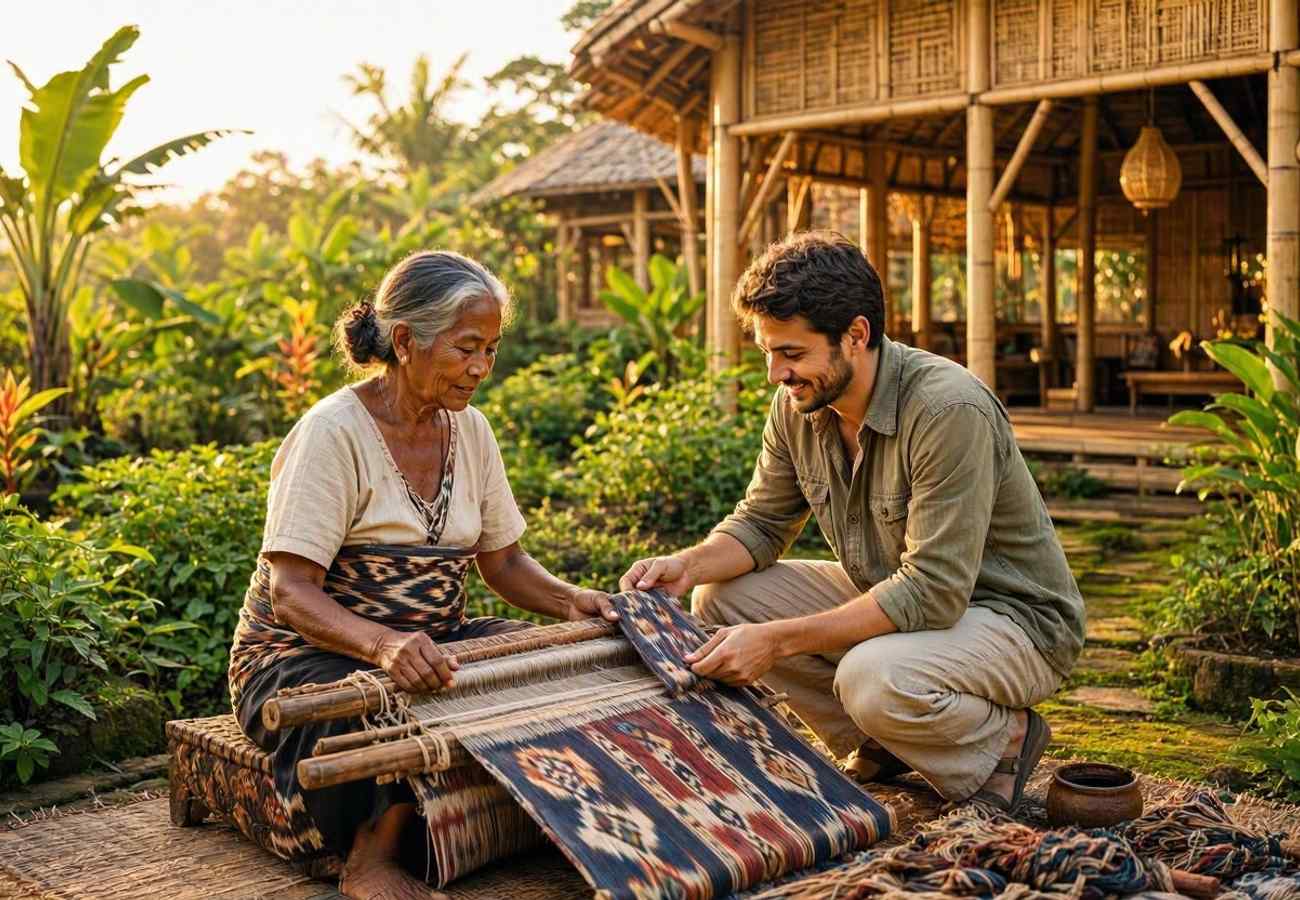
Image generated by AI
While Bali remains the face of Indonesian tourism, the island of Sumba has quietly ascended the global luxury rankings, with two of its resorts securing top-five spots in the 2026 Condé Nast Traveller UK Readers' Choice Awards. This shift signals a move away from the mass-market appeal of the south toward a more intentional, community-centric form of high-end travel in East Nusa Tenggara.
The New Luxury Standard in Sumba
The conversation around Indonesian luxury is diversifying. In the latest rankings released on 6 October, Cap Karoso claimed third place and NIHI Sumba took fourth in the UK edition of the Condé Nast Traveller awards. While Bali's Four Seasons Resort at Jimbaran Bay and Buahan, a Banyan Tree Escape, maintained the top two positions, Sumba's presence on the list highlights a growing appetite for destinations that offer more than just a beach.
Interestingly, these preferences vary by region. In the US edition of the same awards, NIHI Sumba ranked eighth, while Mandapa, a Ritz-Carlton Reserve, took the lead. This discrepancy suggests that the "Sumba appeal" is particularly strong among UK travelers, who may be seeking the island's specific blend of raw nature and curated luxury.
What Makes Sumba Different
Sumba is not merely a quieter alternative to Bali; it is a cultural frontier. The Indonesian Ministry of Tourism has integrated the island into the "Exotic Sumba" cluster, a strategic plan to promote nature-based, community-led tourism. Unlike the highly commercialized hubs of the south, Sumba's identity is rooted in traditional weaving, ancient cultural rituals, and remote villages.
The luxury resorts here are attempting to bridge the gap between high-net-worth guests and local subsistence. For instance, Cap Karoso has focused on transforming rocky, unproductive land into functional gardens that supply the resort's kitchens. This agricultural integration is paired with a training program in organic farming and nursery work, designed to give locals skills that are applicable outside the resort walls. Furthermore, the property claims that 50% of its energy is generated via on-site solar installations.
NIHI Sumba has taken a more formal approach to institutional accountability. In June 2026, its operator, PT Indonesia Adventure Sports, became a Certified B Corporation. According to the B Lab directory, the resort achieved a B Impact Score of 80.3, surpassing the 80-point threshold required for certification. This means the business is audited on its treatment of workers, community engagement, and environmental governance.
Sumba Tourism & National Growth Data
To understand the scale of this growth, one must look at the national trajectory. Data from Statistics Indonesia (BPS) indicates a significant upward trend in travel across the archipelago.
| Metric (August 2026) | Figure | Year-on-Year Change |
|---|---|---|
| International Visitor Arrivals | 1.60 Million | +6.27% |
| Domestic Trips | 104.30 Million | +11.47% |
| Star-Rated Hotel Occupancy | 52.52% | +2.01 percentage points |
While these figures are national, they provide the economic backdrop for Sumba's development. The real value for the island lies in how these percentages translate into permanent employment and fair wages for local craftspeople.
Visitor Insider Tips
If you are planning a trip to Sumba in 2026, avoid the "resort bubble" to truly experience the island.
- Timing your visit: To experience the island's culinary peak, visit between 5 and 18 October for the Sumba Food Festival at Cap Karoso. This event features eight Asia-Pacific chefs utilizing local ingredients.
- Cultural Etiquette: When visiting traditional villages, always hire a local guide. Sumba's social structures are complex, and entering a village without a proper introduction is considered disrespectful.
- What to Buy: Sumba is world-renowned for its Ikat weaving. Buy directly from the weavers in the villages rather than resort gift shops to ensure the profit stays within the community.
- Transport: Sumba is vast and lacks a comprehensive public transport network. Renting a 4x4 vehicle with a local driver is the only reliable way to reach the remote waterfalls and megalithic tombs.
Cultural and Environmental Context
The arrival of ultra-luxury tourism in Sumba creates a tension between preservation and profit. The Indonesian government's push for "community-based experiences" is a policy goal, but the execution varies. The success of these initiatives is best seen in vocational training.
The Sumba Hospitality Foundation, partnered with NIHI, provides a blueprint for local integration. By offering English lessons, medical care, and internships, the foundation allows local youth to enter the hospitality workforce. Students gain hands-on experience at Makan Dulu (the foundation's restaurant) and Maringi (their accommodation business) before transitioning into professional roles. However, the long-term impact remains a point of scrutiny; the industry must ensure these workers move into management roles rather than remaining in entry-level service positions.
FAQ: Visiting Sumba 2026
What is the best time to visit Sumba? The dry season (May to October) is ideal for exploring the rugged terrain and attending events like the Sumba Food Festival in October.
How do I get to Sumba? Most travelers fly into Tambolaka or Waingapu. These are typically reached via connecting flights from Bali (Denpasar) or Kupang.
Is Sumba safe for solo travelers? Yes, though it is highly recommended to stay in established resorts or use licensed guides when exploring rural areas due to the remote geography.
Do I need a visa for Indonesia? Most nationalities can obtain a Visa on Arrival (VoA) or an e-VoA via the official immigration portal before departure.
Sumba is no longer just a hidden gem; it is a testing ground for whether luxury travel can actually empower a community.
Related Travel Guides
Disclaimer
This article is for informational and educational purposes only. It does not constitute legal, financial, or professional advice. While we strive to provide accurate and up-to-date information, travel policies, regulations, and conditions change rapidly. Always verify information with official sources before making travel decisions. Nomad Lawyer makes no representations about the accuracy, reliability, completeness, or suitability of the information provided. Readers should consult qualified professionals for advice specific to their circumstances. The views expressed in this article are those of the author and do not necessarily reflect the views of Nomad Lawyer.
Preeti Gunjan
Contributor & Community Manager
A passionate traveller and community builder. Preeti helps grow the Nomad Lawyer community, fostering engagement and bringing the reader experience to life.
Learn more about our team →