Hafjell and European Winter Resorts Defy Climate Trends with $232 Billion Growth Projection by 2031

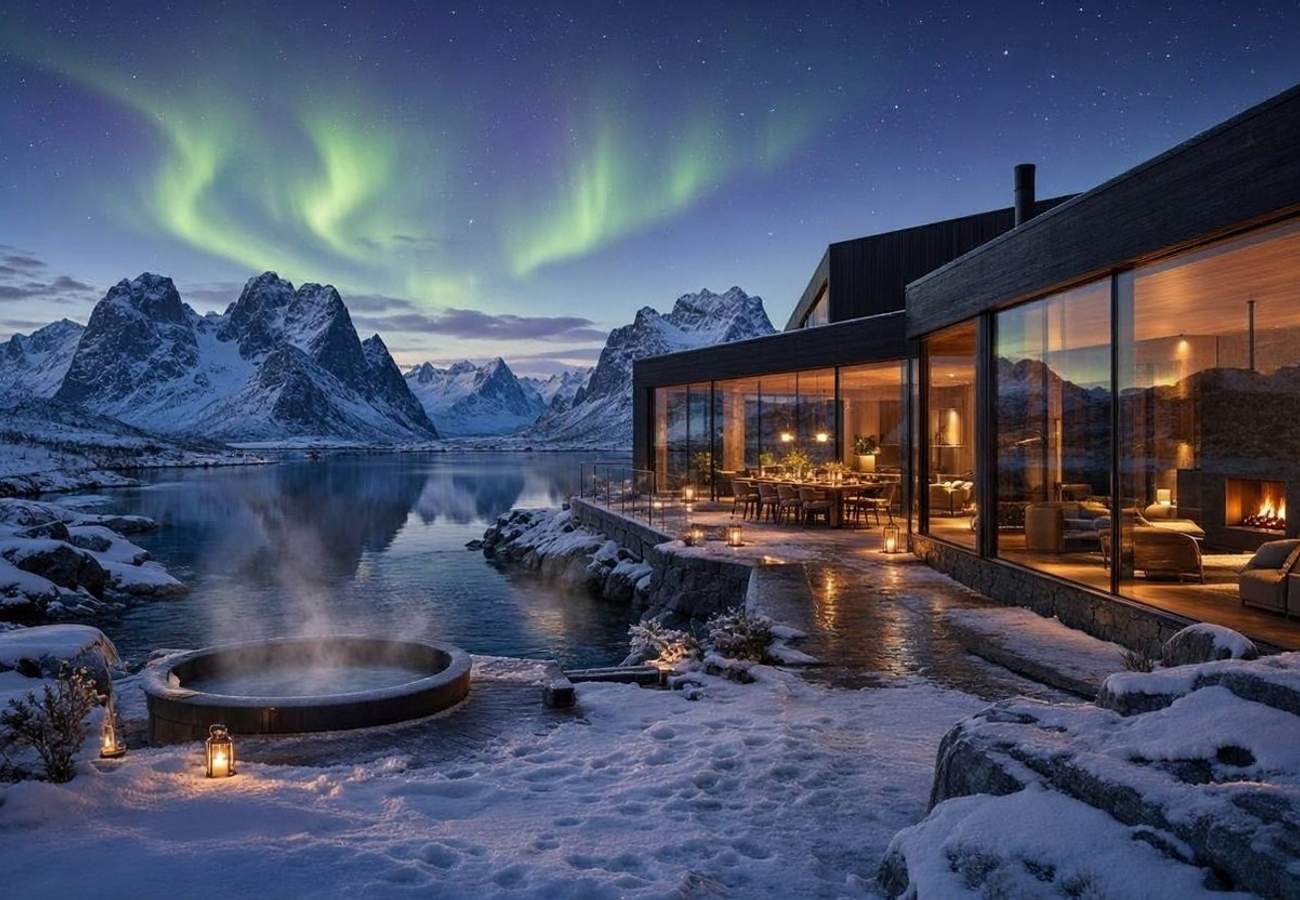
Image generated by AI
North American ski destinations recently saw a 14.5% plunge in visitors due to Rocky Mountain snow shortages, yet European resorts are doing the opposite—capturing a record 399 million global skier visits. While the world worries about disappearing winters, destinations from the Norwegian fjords to the Italian Dolomites are aggressively rewriting the seasonal playbook to ensure their survival and profitability.
The Shift Toward Climate-Resilient Luxury
The European winter tourism sector is no longer just about the quality of the natural powder. It is evolving into a high-tech, year-round lifestyle industry. Market projections indicate the sector will climb from $186.99 billion in 2026 to $232.68 billion by 2031. This growth is being fueled by a strategic decoupling of revenue from snowfall.
Operators are investing heavily in "snow-independent" attractions. In Germany, for example, the market is expected to grow at a 6.81% CAGR to reach $4.67 billion by 2031, with a specific pivot toward wellness. "Wellness & Spa Mountain Resorts" are currently expanding at a 7.84% domestic CAGR. This means the modern winter traveler is as likely to book a trip for a high-end thermal spa or a gastronomic retreat as they are for the slopes.
What Makes the Nordic and Alpine Experience Different
There is a widening gap between the "Arctic" experience of the North and the "Infrastructure" experience of the Alps.
The Nordic Surge: Northern Europe is the fastest-growing regional block, with a projected 6.02% CAGR through 2031. Finland saw a 14.1% spike in international arrivals in 2025. Destinations like Hafjell, Kvitfjell, and Oppdal in Norway are benefiting from a perceived "snow reliability" that the Alps struggle to guarantee. To support this, Scandinavian Airlines has increased winter seat capacity from Copenhagen by 40%, opening six new routes, including direct flights to Kittilä in Finnish Lapland.
The Alpine Powerhouse: France and Austria are relying on sheer engineering. France remains the world leader in skier days, recording 56.1 million in 2025/26 (a 2.4% increase). The French Tourism Office continues to promote high-altitude domains like the Three Valleys, which expects 24 million cable transport journeys for the 2026–27 season. Meanwhile, Austria’s investment in advanced snowmaking saved an estimated 10.4 million visits that would have otherwise been lost to poor weather.
Winter Tourism Growth Metrics by Region (2026-2036)
| Region/Country | Projected CAGR | Key Growth Driver | Notable Hubs |
|---|---|---|---|
| Switzerland | 10.5% | Year-round diversification | Zermatt, St. Moritz |
| France | 10.4% | High-altitude capacity | Courchevel, Méribel |
| Austria | 10.2% | Snowmaking technology | Hauser Kaibling |
| Germany | 6.81% | Wellness & Spa pivot | Zugspitze, Oberstdorf |
| Northern Europe | 6.02% | Arctic/Northern Lights | Hafjell, Levi, Åre |
Visitor Insider Tips
If you are planning a trip to these regions for the 2026/27 season, avoid the "tourist traps" by following these local strategies:
- The "March Window": France is seeing a 20% surge in late-season bookings. To avoid the crowds while still getting great snow, aim for the first two weeks of March in high-altitude resorts like Serre Chevalier.
- Nordic Logistics: Instead of the primary hubs, look at Norway's Oppdal or Beitostølen for lower slope congestion and more competitive lift-pass pricing compared to the Alps.
- The Italian Value Play: While Zermatt and Gstaad are ultra-prime, Cortina d’Ampezzo offers a similar Olympic-caliber experience with more accessible on-mountain dining.
- Transport Hack: Use the expanded regional flight networks into Kittilä or other Nordic secondary airports to bypass the congestion of major capitals.
Cultural and Environmental Context
The tension between luxury tourism and environmental preservation is palpable in the Alps. The reliance on "aggressive snowmaking" mentioned in the Savills Ski Report is a double-edged sword; while it protects the economy, it requires massive water and energy consumption.
In Italy, the Milano Cortina 2026 Olympics acted as a massive economic springboard, increasing overnight stays in Alpine and Apennine municipalities by 41% compared to the 2022–23 season. However, this surge puts pressure on local infrastructure. The trend toward "multi-activity packages" is a direct response to this environmental fragility—by encouraging visitors to come for hiking, wellness, and culture, resorts reduce the singular, desperate reliance on a perfect snow year. For more on preserving these sites, visit the UNESCO World Heritage Centre to see how mountain landscapes are being protected.
FAQ: Visiting European Resorts 2027
What is the best time to visit for guaranteed snow? For the most reliable powder, head to Northern Europe (Norway, Finland, Sweden) where seasons stretch from late autumn into early summer. In the Alps, stick to high-altitude domains in France or Switzerland during March.
Is it more expensive to ski in the Alps than the Nordics? Generally, yes. While Swiss hubs like Zermatt are among the most expensive globally, Nordic resorts often offer more competitive lift-pass pricing and less slope congestion.
How do I get to the Arctic resorts? Regional airlines have expanded significantly. Scandinavian Airlines now offers increased capacity from Copenhagen, including direct routes to Kittilä in Finnish Lapland.
Are these resorts safe for solo travelers? Yes, especially in the "wellness" hubs of Germany and Austria, where the focus on spas and social experiences makes it easy for solo visitors to integrate.
The mountains are no longer just for skiing; they are the new frontiers of climate-resilient luxury.
Related Travel Guides
This article is for informational purposes. Flight routes, passenger regulations, visa rules, and transit advisories are subject to change by airlines and aviation authorities. Readers are advised to verify schedules and travel documentation with relevant carriers and border agencies before departure.
Related Stories

Marriott Luxury Thanksgiving 2026: Logistics Guide for Mexico and Caribbean Resorts

Sensira Resort & Spa Wins Good Housekeeping 2027 Travel Award for Mexico All-Inclusive Family Luxury