Sri Lanka Highlights Ovagiriya Ancient Monastery in Ampara for Eastern Cultural Heritage Tourism

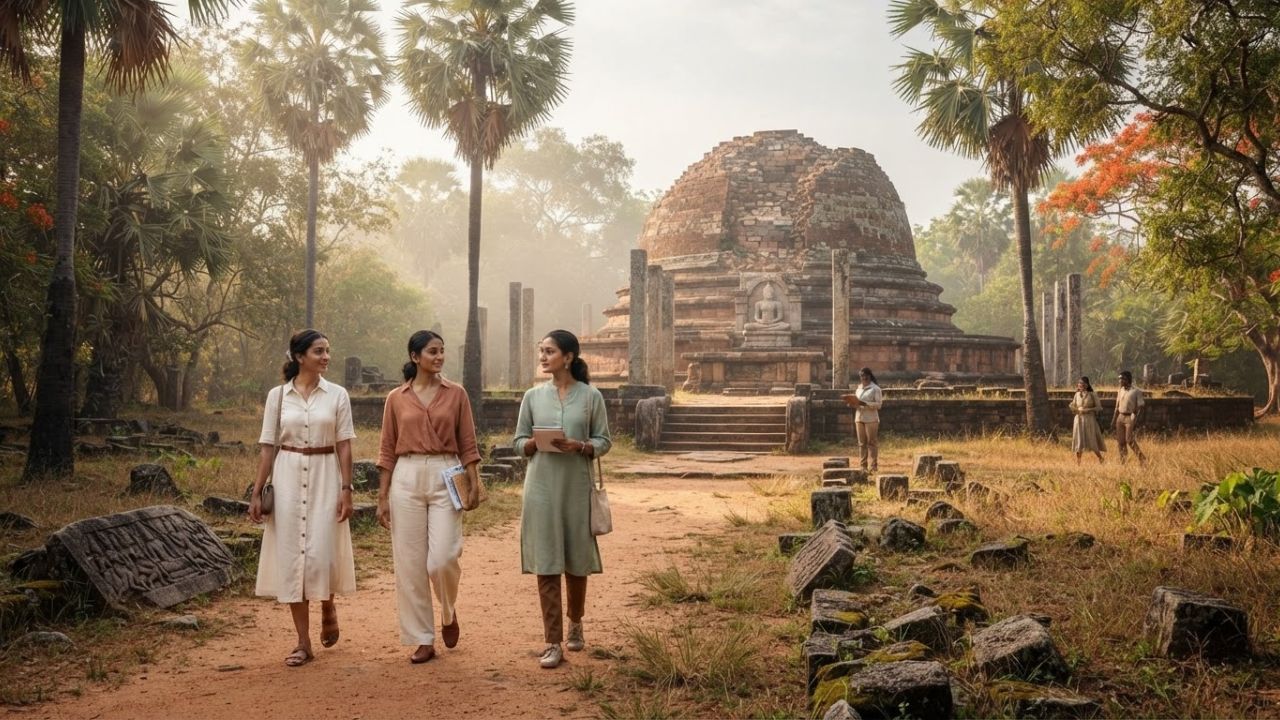
Sri Lanka is expanding its cultural tourism offerings beyond major UNESCO sites by promoting the Ovagiriya Ancient Monastery in the Ampara District. Featuring a rare octagonal stupa platform, stone image houses, and early Buddhist carvings, the Eastern Province site provides a peaceful, low-impact alternative for heritage travelers.
[AMPARA, Sri Lanka] — The Department of Archaeology and Sri Lankan tourism authorities are directing international cultural travelers toward the Ovagiriya Ancient Monastery, an off-the-beaten-track archaeological complex in Eastern Sri Lanka. Situated in the Ampara District along the main Ampara–Inginiyagala transit corridor, the site showcases early Sinhalese Buddhist architecture and monastic settlement patterns.
The initiative supports Sri Lanka's broader strategy to disperse international visitors away from crowded central heritage triangles like Anuradhapura, Polonnaruwa, and Sigiriya. By opening secondary heritage corridors across the Eastern Province, regional authorities are boosting economic opportunities for local rural communities while preserving delicate archaeological remains.
Octagonal Stupa Platform Distinguishes Early Buddhist Architecture
Ovagiriya holds significant archaeological importance due to its unique structural engineering. Unlike conventional Sri Lankan stupas that rest upon circular or square foundation terraces, the stupa at Ovagiriya is constructed upon a rare octagonal stone platform.
Key architectural assets preserved across the monastery complex include:
- Octagonal Stupa Foundation: Demonstrates a unique structural variation in early Sri Lankan Buddhist monument design.
- Ancient Image House (Patimaghara): Features preserved stone foundation walls, entrance steps, and carved stone pillars that once supported heavy timber roof structures.
- Buddha Statuary and Guard Stones: Showcases hand-carved stone figures, intricate muragala (guard stones), and decorative stair risers.
- Monastic Residence Remains: Outlines early Buddhist monastic living quarters, ritual halls, and water storage features integrated into the surrounding landscape.
These preserved features offer historians, architects, and travelers a rare look into early construction techniques and religious art in Eastern Sri Lanka.
Regional Connectivity via the Ampara–Inginiyagala Transit Corridor
Located near the town of Ampara, Ovagiriya is positioned directly along the Ampara–Inginiyagala road network. This strategic location enables tour operators to combine cultural heritage visits with regional nature and wildlife excursions.
Travelers exploring the Eastern Province can integrate Ovagiriya into broader regional itineraries, including:
- Gal Oya National Park: Combining archaeological site tours with boat safaris and wildlife viewing around the Senanayake Samudraya reservoir.
- Eastern Heritage Circuit: Connecting Ovagiriya with neighboring Buddhist sites and historic reservoirs across the Ampara and Batticaloa districts.
- Rural Cultural Tourism: Supporting small-scale local guesthouses, traditional eateries, and craft artisans in surrounding agricultural villages.
The site's tranquil rural setting appeals to independent travelers, photography enthusiasts, and cultural researchers seeking immersive experiences without high-density tourist crowds.
Responsible Tourism Protocols and Archaeological Site Management
To protect Ovagiriya’s un-restored stone structures and surrounding natural flora, archaeological site managers are enforcing low-impact visitor guidelines. Because the complex remains an open-air historical sanctuary, preserving fragile stone carvings requires strict adherence to visitor rules.
Official guidelines for visitors exploring Ovagiriya include:
- Preserving Stone Structures: Refraining from touching, leaning on, or climbing over ancient stone pillars, guard stones, and stupa platforms.
- Religious Etiquette: Wearing respectful clothing that covers shoulders and knees when visiting active image houses and religious monuments.
- Environmental Stewardship: Carrying drinking water and removing all trash, enforcing a strict leave-no-trace policy across the reserve.
- Footwear Protocols: Removing shoes and hats when entering designated sacred image house platforms.
Promoting responsible travel practices ensures that Ovagiriya remains protected while supporting long-term sustainable tourism growth in Eastern Sri Lanka.
Ovagiriya Ancient Monastery Archaeological and Tourism Profile
| Profile Metric & Asset | Recorded Site Benchmark / Feature |
|---|---|
| Monastery Site Name | Ovagiriya Ancient Monastery (Ovagiriya Archaeological Site) |
| Administrative Location | Ampara District, Eastern Province, Sri Lanka |
| Primary Access Corridor | Situated along the main Ampara–Inginiyagala Transit Route |
| Architectural Highlight | Ancient Stupa built on a rare Octagonal Stone Platform |
| Preserved Structures | Image House (Patimaghara), stone pillars, Buddha statues, guard stones |
| Primary Visitor Markets | Heritage travelers, Buddhist pilgrims, archaeologists, & photographers |
| Regional Tourism Synergy | Pairs with Gal Oya National Park wildlife safaris & rural tourism |
| Site Management Focus | Low-impact responsible travel, heritage preservation, & non-crowded access |
Economic Analysis: Decentralizing Heritage Tourism Across Sri Lanka
Promoting secondary archaeological destinations like Ovagiriya aligns with global trends favoring experiential and decentralized travel. By encouraging visitors to explore Eastern Sri Lanka, tourism authorities distribute international visitor spending into rural economies that traditionally sat outside major travel routes.
The financial benefits of developing the Ampara heritage corridor include:
- Direct Local Economic Injection: Increases demand for local drivers, professional site guides, and regional family-owned guesthouses.
- Preservation Funding: Ticket admissions and heritage development grants directly fund archaeological site maintenance and security.
- Extended Visitor Stay: Encourages international tourists to lengthen their total stay in Sri Lanka by adding eastern land routes to standard beach itineraries.
Decentralizing visitor traffic protects major UNESCO sites from over-tourism while providing travelers with authentic cultural encounters.
Why This Matters (Information Gain & Experience)
For the international traveler, visiting Ovagiriya offers a peaceful alternative to congested tourist centers. Navigating the quiet ruins allows visitors to appreciate ancient stone craftsmanship and Buddhist architecture without competing with large tour groups.
From a practical planning standpoint, travelers should combine a morning visit to Ovagiriya with afternoon wildlife excursions in nearby Gal Oya National Park. Carrying sufficient drinking water, wearing comfortable walking shoes, and respecting local religious customs ensures a smooth and rewarding travel experience in Eastern Sri Lanka.
Frequently Asked Questions
Where is the Ovagiriya Ancient Monastery located?
Ovagiriya Ancient Monastery is located in the Ampara District of Sri Lanka's Eastern Province, situated along the main Ampara–Inginiyagala road.
What makes the stupa at Ovagiriya unique?
The stupa at Ovagiriya is constructed upon a rare octagonal stone platform, contrasting with the circular or square foundations typical of most ancient Sri Lankan Buddhist stupas.
How can travelers combine Ovagiriya with other regional attractions?
Travelers can easily combine a heritage visit to Ovagiriya with wildlife safaris in Gal Oya National Park, scenic drives around Senanayake Samudraya, and cultural tours of Eastern Province rural villages.
Are there entry guidelines for visiting the monastery?
Yes. Visitors must wear modest attire covering shoulders and knees, remove shoes when entering sacred image house platforms, and refrain from touching or climbing ancient stone structures.
Related Travel Guides
This article is for informational purposes. Flight routes, passenger regulations, visa rules, and transit advisories are subject to change by airlines and aviation authorities. Readers are advised to verify schedules and travel documentation with relevant carriers and border agencies before departure.
Related Stories


Angola Courts Gulf Capital to Power Tourism Expansion as Portuguese Hospitality Enrolments Surge by 106%