
Royal Caribbean Slashes 2026 Profit Forecast Amid Surging Fuel Costs—But Mediterranean Demand Soars
Royal Caribbean absorbs a massive $1.3 billion spike in fuel costs, lowering 2026 profit forecasts despite a massive rebound in Mediterranean cruise bookings.

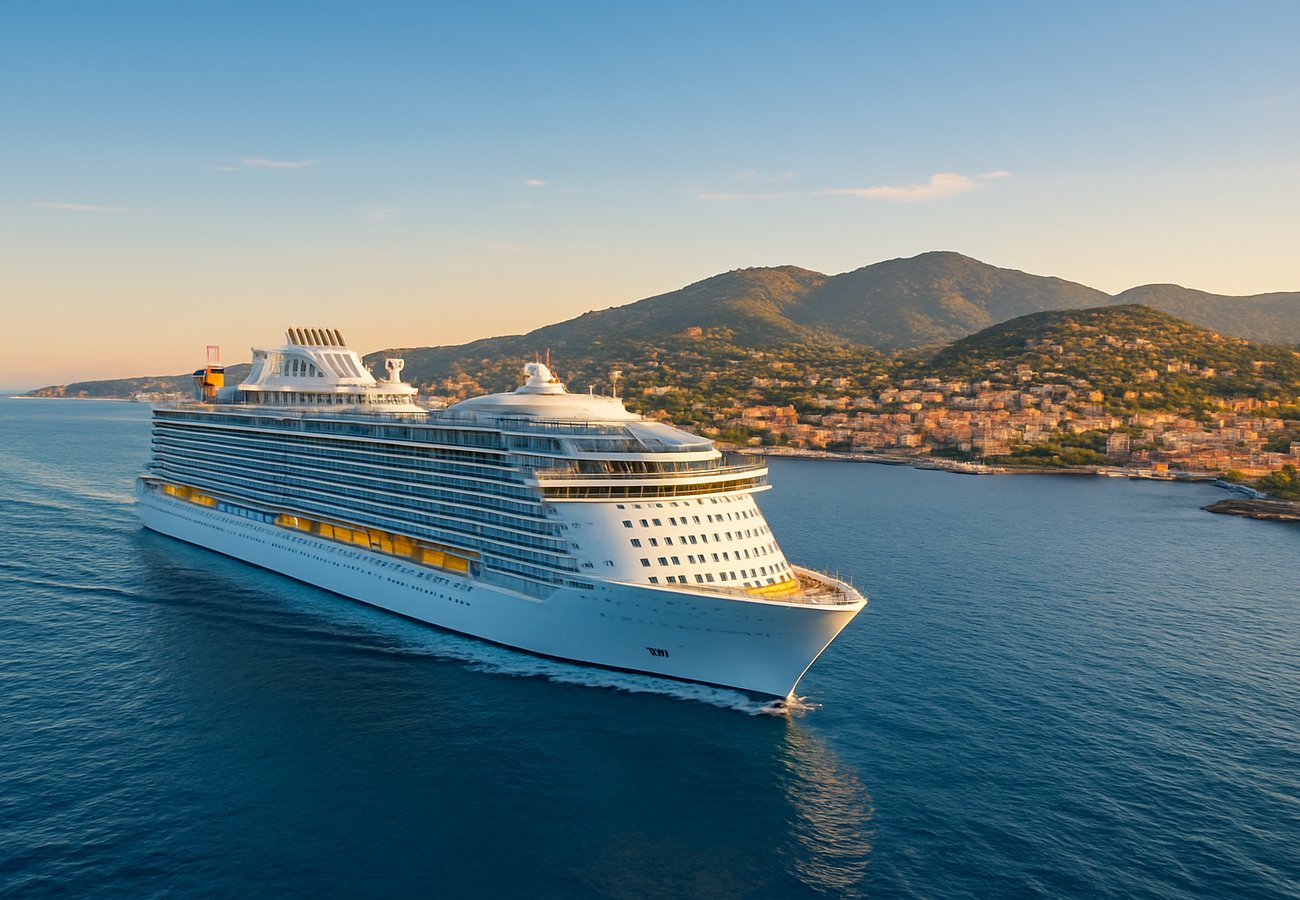
Image generated by AI
Quick Summary
- Royal Caribbean has officially lowered its 2026 adjusted per-share profit expectations due to a massive, unexpected $1.3 billion spike in marine fuel costs.
- The staggering fuel cost increases are directly tied to ongoing geopolitical tensions and conflicts in the Middle East.
- Despite the financial hit, consumer demand is skyrocketing, with Mediterranean cruise bookings officially surpassing previous year figures.
- To maintain profitability, the cruise line is actively exploring strategic itinerary adjustments, fuel hedging, and potential ticket price increases.
Geopolitical instability and surging energy costs are forcing massive financial adjustments across the global travel sector. Royal Caribbean has officially lowered its 2026 profit expectations after absorbing a staggering $1.3 billion spike in marine fuel expenses directly tied to ongoing Middle Eastern tensions.
However, despite these massive operational hurdles, the cruise line is simultaneously reporting a massive, unexpected surge in summer Mediterranean bookings. This complex financial situation proves that while operational costs are skyrocketing, global consumer travel demand remains incredibly, undeniably resilient.
The $1.3 Billion Fuel Price Crisis
The primary catalyst for Royal Caribbean’s revised financial outlook is the skyrocketing price of oil. The ongoing conflict between the United States and Iran has severely disrupted global energy markets, leading to massive spikes in the cost of heavy marine fuel.
The cruise operator reported a staggering $1.3 billion increase in fuel expenses compared to its earlier baseline projections. As a direct result of this massive financial hit, Royal Caribbean has officially revised its adjusted per-share profit expectations downward, shifting from an optimistic range of $17.70–$18.10 to a much more conservative $17.10–$17.50.
Key Facts & Highlights
- The Financial Hit: A massive $1.3 billion unexpected increase in marine fuel expenses.
- The Profit Revision: Adjusted per-share profit expectations lowered to $17.10–$17.50 for 2026.
- The Geopolitical Cause: Spiking oil prices directly tied to the ongoing US-Iran conflict in the Middle East.
- The Silver Lining: Summer 2026 Mediterranean cruise bookings have fully rebounded and are currently surpassing previous year figures.
Surging Demand for Mediterranean Cruises
While the massive fuel costs represent a severe operational challenge, Royal Caribbean's top-line revenue potential remains incredibly strong. Following an initial, sharp dip in bookings triggered by early fears of Middle Eastern instability, consumer confidence has rapidly rebounded.
Current booking data indicates that demand for summer 2026 Mediterranean luxury itineraries has not only recovered but has actually surpassed the massive figures recorded in the previous year. Royal Caribbean CEO Jason Liberty has consistently emphasized that despite global economic pressures, taking a high-quality vacation remains an absolute top priority for modern consumers. Travelers are aggressively prioritizing leisure travel, specifically flocking to European destinations that offer a safe, premium mix of culture, deep history, and luxury relaxation.
Operational Adjustments and Fuel Hedging Strategies
To mitigate the massive $1.3 billion fuel hit, Royal Caribbean cannot simply rely on strong booking volume; it must aggressively optimize its operations.
Industry analysts note that the cruise line is heavily leaning into complex fuel hedging strategies—financial tools designed to lock in fuel prices and offset massive market volatility. Furthermore, the company is actively exploring strategic itinerary adjustments to maximize fuel efficiency. This could mean slightly altering specific European routes, spending more days at sea at slower speeds, or—inevitably—passing some of the massive operational costs onto consumers via higher baseline ticket prices.
The Ripple Effect on the Global Travel Sector
Royal Caribbean is far from the only travel entity grappling with these massive geopolitical energy spikes. The ripple effect of the Middle Eastern conflict is driving up transportation costs globally.
The massive surge in jet fuel prices has similarly battered the airline industry. Recent consumer data reports indicate that average airfare costs in the United States alone have surged by a massive 7.1% year-over-year—the largest, fastest increase recorded in over a year. Despite these massive cost increases across both aviation and maritime sectors, the broader travel industry continues to see sustained, aggressive consumer demand.
Conclusion
Royal Caribbean’s 2026 financial outlook is a perfect representation of the current global travel industry: operationally strained but deeply supported by unyielding consumer demand. While the massive $1.3 billion fuel hit will undeniably impact the company's immediate bottom line, the record-breaking surge in Mediterranean bookings proves that luxury cruise travel remains one of the most resilient, highly prioritized consumer sectors in the global economy.
Frequently Asked Questions (FAQ)
Why did Royal Caribbean lower its 2026 profit forecast? The company lowered its profit expectations due to a massive, unexpected $1.3 billion increase in marine fuel expenses caused by surging global oil prices tied to geopolitical conflicts in the Middle East.
Are people still booking cruises despite global tensions? Yes. While there was an initial dip in demand, Royal Caribbean is currently reporting that summer 2026 Mediterranean bookings have rapidly rebounded and are now surpassing previous year figures.
How is Royal Caribbean managing the high fuel costs? The cruise line is utilizing financial fuel hedging strategies, heavily optimizing European itineraries for maximum fuel efficiency, and may potentially adjust baseline ticket prices.
Is the airline industry facing the same fuel cost issues? Absolutely. Surging global oil prices have severely impacted airline jet fuel costs, directly causing average US airfares to spike by 7.1% year-over-year.
Related Travel Guides
Royal Caribbean Q1 2026 Earnings: Icon VI and VII Ordered
Disclaimer
This article is for informational and educational purposes only. It does not constitute legal, financial, or professional advice. While we strive to provide accurate and up-to-date information, travel policies, regulations, and conditions change rapidly. Always verify information with official sources before making travel decisions. Nomad Lawyer makes no representations about the accuracy, reliability, completeness, or suitability of the information provided. Readers should consult qualified professionals for advice specific to their circumstances. The views expressed in this article are those of the author and do not necessarily reflect the views of Nomad Lawyer.
Kunal K Choudhary
Co-Founder & Contributor
A passionate traveller and tech enthusiast. Kunal contributes to the vision and growth of Nomad Lawyer, bringing fresh perspectives and driving the community forward.
Learn more about our team →