
Spain Tourism Spotlight: Global Youth Travel Awards Reveal Next Era of Sustainable Tourism
Spain Tourism Spotlight: Global Youth Travel Awards Reveal Next Era of Sustainable Tourism

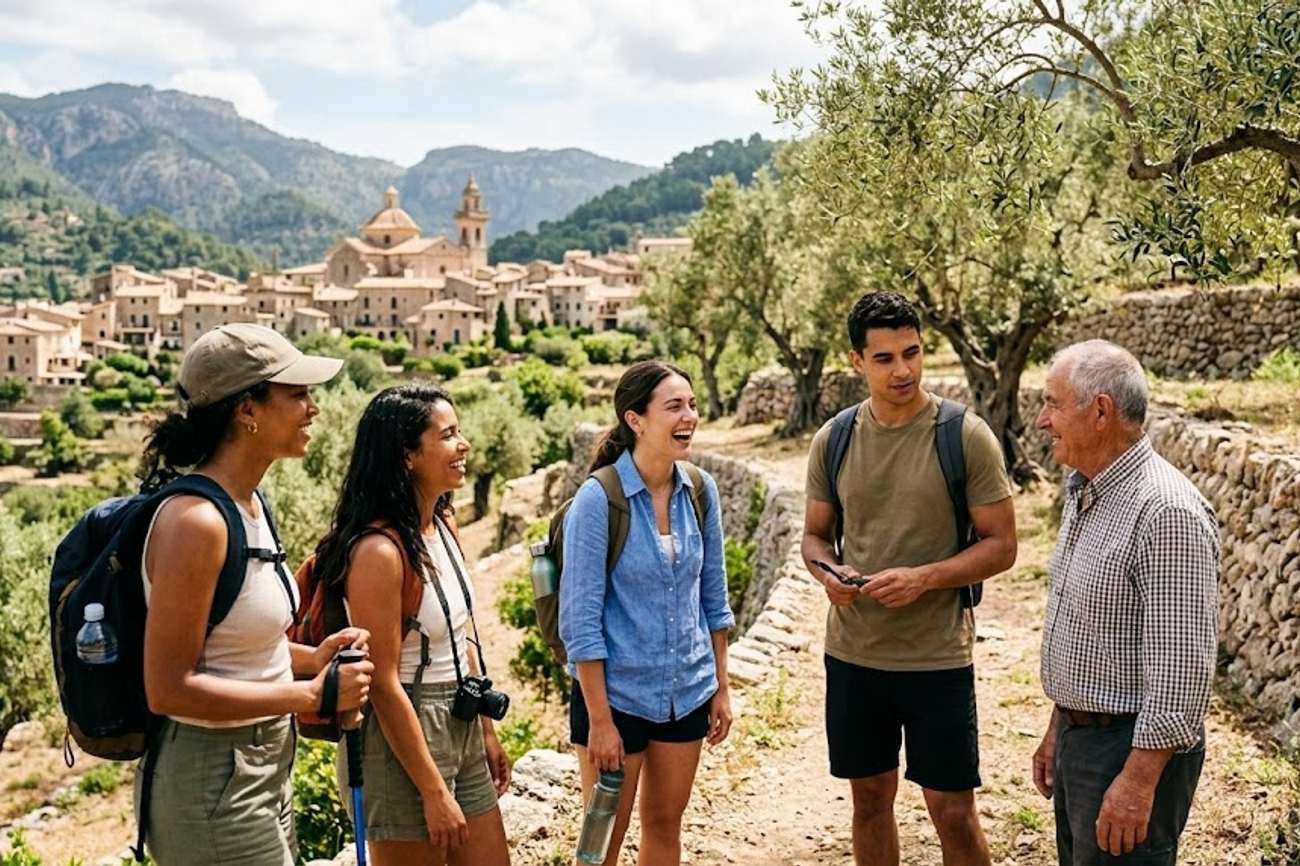
Image generated by AI
[Bilbao, Spain] — The WYSE Travel Confederation has announced the winners of the 2026 Global Youth Travel Awards, signaling a systemic shift in the tourism industry toward artificial intelligence integration and measurable environmental sustainability. The awards, presented during the closing ceremony of the World Youth and Student Travel Conference in Bilbao, identify a new era of "purposeful journeys" where traditional sightseeing is being replaced by community-focused initiatives and AI-driven discovery.
The awards recognize a global movement among Gen Z and Alpha travelers who are prioritizing personal development and ecological responsibility over passive entertainment. The winning organizations represent a cross-section of the youth, student, and educational travel sectors, showcasing a transition toward travel models that provide documented social and environmental benefits.
The Drivers of Tourism Transformation
The 2026 awards highlight a fundamental change in how young travelers interact with the globe. The industry is moving away from the "tourist" model and toward an "impact" model. This shift is triggered by three primary catalysts: the urgent need for climate action in sensitive ecosystems, the rapid adoption of generative AI for itinerary planning, and a desire for authentic cultural exchange that supports local economies rather than exploiting them.
Tourism organizations are no longer competing solely on price or destination appeal; they are now competing on the depth of the experience and the transparency of their sustainability metrics. The WYSE Travel Confederation's recognition of these projects underscores that the future of global mobility is inextricably linked to the United Nations Sustainable Development Goals (SDGs), particularly regarding responsible consumption and climate action.
Organizations and Initiatives Impacted
The awards recognized several key players who are redefining the parameters of youth travel across different continents and technological sectors:
- Fuze Ecoteer (Malaysia): Awarded Best Responsible Tourism Initiative for the "Plastic Bags to Roads" project. This program converts plastic waste into infrastructure materials, employing local communities and educating student volunteers.
- The Green Lion (Philippines): Recognized for the Eco Bricks Project in Palawan. This initiative transforms non-recyclable plastics into construction materials to protect Palawan's marine ecosystems and limestone landscapes.
- Hanover Discovery: Named winner for Best Use of AI. The company developed a specialized framework to optimize the visibility of youth travel programs on LLMs (Large Language Models) such as ChatGPT and Perplexity.
- MEININGER Hotels: Received Best Marketing Campaign for the "Lonely Hearts Hotline" project, which leveraged short-form video to reach younger demographics.
- CIEE: Recognized as the Best Education Abroad Provider, emphasizing the role of international mobility in career preparation and language acquisition.
What This Means for Travelers
For the modern traveler, these developments translate into a tangible change in how trips are booked, experienced, and shared. The transition from search-engine reliance to AI-driven discovery means that the "hidden gems" of the future will be those that are optimized for AI recommendation engines. If a travel provider is not AI-visible, they effectively do not exist for a significant portion of the youth market.
From a practical standpoint, passengers and students can expect the following:
- Active Participation: Travelers are no longer just observers. New itineraries—like those offered by Fuze Ecoteer—require active participation in local conservation, such as plastic recycling and community building.
- AI-Curated Itineraries: The reliance on static travel agencies is fading. Travelers are now using AI to compare options and build personalized, real-time itineraries that align with their specific values (e.g., "low-carbon travel in Southeast Asia").
- Digital-First Discovery: The success of the MEININGER Hotels campaign, which saw a 182% increase in video views and an 89% increase in Instagram reach, proves that TikTok and Instagram are now the primary "brochures" for youth travel.
- Educational Integration: Travel is being repositioned as a professional asset. Through providers like CIEE, international travel is being framed as a prerequisite for global career readiness rather than a gap-year luxury.
The Future of AI and Sustainable Mobility
The recognition of Hanover Discovery marks a pivotal moment in aviation and travel marketing. The industry is moving toward "AI Optimization," where the goal is to ensure that sustainable and educational programs are the first results suggested by AI assistants. This reduces the friction between a traveler's desire to be sustainable and their ability to find a legitimate, vetted program.
Furthermore, the focus on Palawan and Malaysia suggests that the World Tourism Organization (UNWTO) and similar bodies will see an increase in "regenerative tourism"—travel that leaves a destination better than it was found. The use of "Eco Bricks" and "Plastic Roads" indicates that the next phase of youth travel will involve physical contributions to the infrastructure of the host country.
As these trends scale, we expect to see more airlines and hotel chains integrate "impact tracking" into their loyalty programs, allowing young travelers to earn rewards not just for miles flown, but for plastic diverted from oceans or hours spent in community education projects.
FAQ: Youth Travel Trends 2026
How is AI changing the way I find travel deals? Travelers are moving away from traditional search engines. AI tools like ChatGPT and Perplexity now provide personalized recommendations based on values and preferences, meaning the most "AI-visible" sustainable programs are becoming the most popular choices.
What is "regenerative tourism" in the context of these awards? Unlike sustainable tourism, which seeks to minimize harm, regenerative tourism actively improves a destination. Examples include the Eco Bricks project in the Philippines, which turns waste into usable community infrastructure.
Are study abroad programs still relevant for career growth? Yes. Organizations like CIEE continue to lead the sector because international mobility is increasingly viewed by employers as essential for language proficiency, cultural intelligence, and global networking.
How can I ensure my travel is actually sustainable? Look for programs with measurable impacts, such as those recognized by the WYSE Travel Confederation. Prioritize initiatives that involve local community employment and documented waste reduction rather than generic "eco-friendly" labels.
The era of the passive tourist is over; the era of the global contributor has arrived.
#WYSE2026 #YouthTravel #SustainableTourism #AIinTravel #PalawanEcoBricks #CIEE #RegenerativeTravel
Related Travel Guides
- China’s Lee Kum Kee Sauce Joins Fortune Global 500 Forum 2026 as Global Expansion and Innovation Take Centre Stage
- Smithsonian Craft2Wear 2026: 75 American Artists, 12 Korean Masters, and Heritage Access in Washington D.C.
- Why the 2026 Spirit of Africa Festival in Nairobi Is Revolutionising Intra-Continental Tourism Now
Disclaimer
This article is for informational and educational purposes only. It does not constitute legal, financial, or professional advice. While we strive to provide accurate and up-to-date information, travel policies, regulations, and conditions change rapidly. Always verify information with official sources before making travel decisions. Nomad Lawyer makes no representations about the accuracy, reliability, completeness, or suitability of the information provided. Readers should consult qualified professionals for advice specific to their circumstances. The views expressed in this article are those of the author and do not necessarily reflect the views of Nomad Lawyer.
Kunal K Choudhary
Co-Founder & Contributor
A passionate traveller and tech enthusiast. Kunal contributes to the vision and growth of Nomad Lawyer, bringing fresh perspectives and driving the community forward.
Learn more about our team →