
Why the 2026 Spirit of Africa Festival in Nairobi Is Revolutionising Intra-Continental Tourism Now
Why the 2026 Spirit of Africa Festival in Nairobi Is Revolutionising Intra-Continental Tourism Now

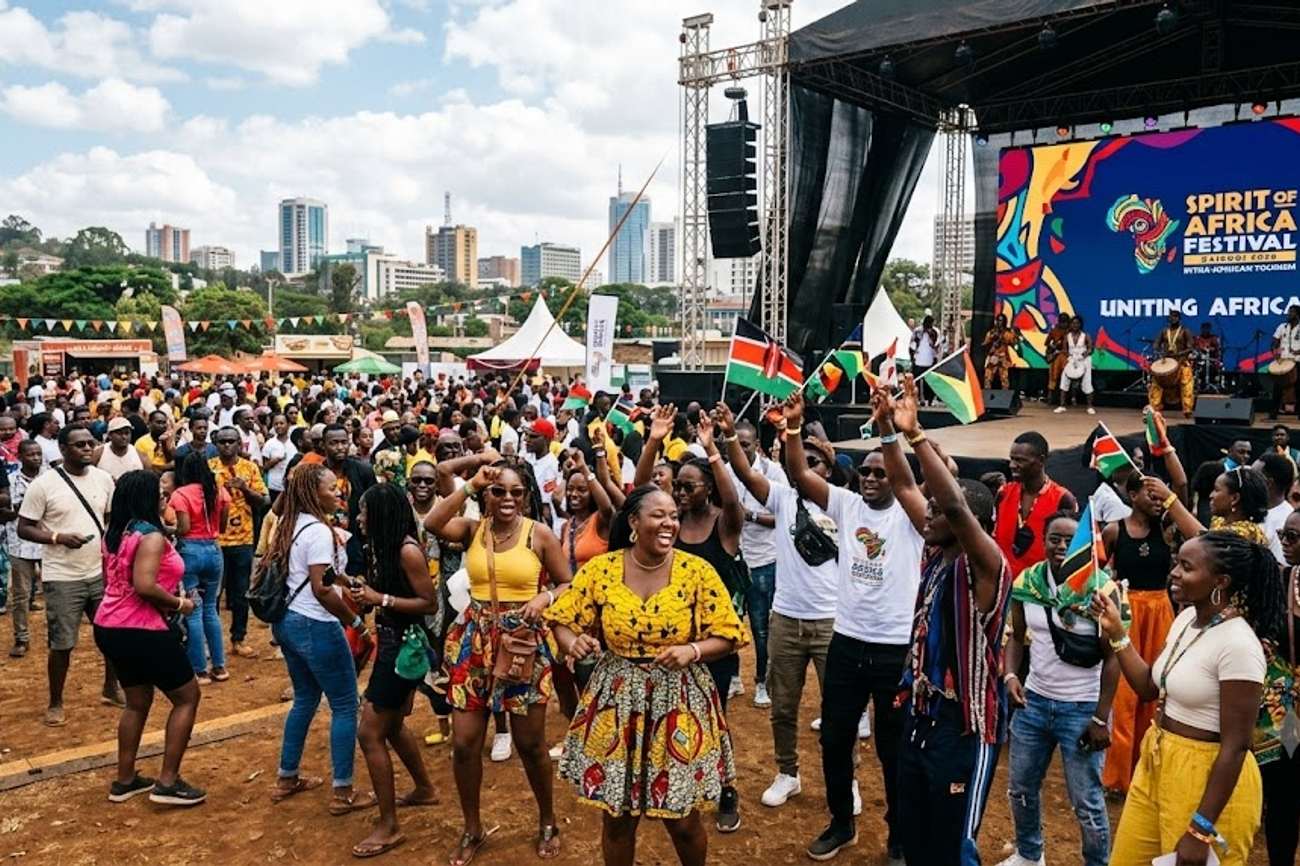
Image generated by AI
Three days of immersive programming at the Spirit of Africa Festival in Nairobi are designed to dismantle the systemic barriers hindering intra-continental mobility. By positioning itself as a high-level side event to the Magical Kenya Travel Expo (MKTE) 2026, this initiative seeks to shift the African tourism paradigm away from a precarious reliance on long-haul Western markets toward a self-sustaining regional economic loop.
The Nairobi Nexus: Strategic Alignment with MKTE 2026
The selection of Nairobi as the epicenter for this movement is not incidental. As a primary aviation and diplomatic hub for East Africa, the city provides the necessary infrastructure to host a convergence of this scale. The festival will take place at the historic Uhuru Gardens, creating a physical intersection where traditional heritage meets modern "smart-tourism" frameworks.
The event operates under the formal endorsement of the Kenya Tourism Board (KTB), ensuring that the festival is not merely a cultural showcase but a sanctioned economic instrument. By integrating with the broader MKTE 2026 framework, the Spirit of Africa Festival gains immediate access to an established international network of destination management companies (DMCs), hospitality executives, and airline representatives. This alignment allows the festival to function as a B2B engine, converting artistic expression into scalable tourism products.
The operational goal is clear: to move beyond the "safari-only" narrative. By introducing multi-destination itineraries that weave together wildlife conservation and urban cultural immersion, the organizers aim to increase the average length of stay for visitors. This strategy is designed to maximize per-capita expenditure, ensuring that tourism revenue penetrates deeper into local creative economies rather than remaining concentrated within large-scale corporate resorts.
Mapping the Creative Economy Integration
The festival acts as a bridge between the corporate machinery of national tourism boards and the grassroots reality of Africa's creative sector. For too long, the "creative economy"—comprising digital innovators, pan-African musicians, contemporary fashion designers, and independent artisans—has operated in a vacuum, disconnected from the formal travel trade.
The Spirit of Africa Festival addresses this disconnect through a structured three-pronged approach:
| Component | Primary Function | Targeted Outcome |
|---|---|---|
| Curated Masterclasses | Operational Training | Financial literacy and scaling for SMEs |
| Tech Exhibitions | Digital Transformation | Integration of travel tech with heritage storytelling |
| Plenary Forums | Policy Dialogue | Lobbying for open-skies and visa simplification |
By providing a professional platform for these creators to present their work to international buyers, the festival transforms "culture" from a passive backdrop into a primary travel motivator. This shift targets the modern traveler's demand for authenticity, moving the industry toward experiential tourism where the "product" is a lived interaction with the continent's modern renaissance.
Expert Analysis: The Geopolitics of Intra-African Mobility
For the seasoned travel professional, the Spirit of Africa Festival is less about the arts and more about the systemic failure of regional logistics. The data provided by the organizers highlights a critical friction point: intra-continental tourism is currently stifled by a combination of restrictive multi-visa regimes, inflated regional airfares, and a lack of cohesive cross-border marketing.
The direct consequence for travelers booking within the region is a "cost-of-entry" paradox where it is often cheaper and easier for a tourist from Europe to visit Nairobi than it is for a tourist from a neighboring African state to do the same. This inefficiency is a massive lost opportunity for the African hospitality sector.
The 2026 Spirit of Africa Festival aims to catalyze regional travel by leveraging Kenya's strategic position as a logistics hub. Visitors are encouraged to coordinate their arrivals through the Kenya Airports Authority, which manages the critical infrastructure necessary to handle the anticipated surge in intra-continental passenger traffic.
The festival's focus on "open-skies lobbying" and simplified travel protocols suggests a strategic attempt to use the MKTE 2026 platform to influence regulatory shifts. If the festival successfully catalyzes a public-private dialogue that leads to reduced visa friction, we will see a surge in "regional loops"—itineraries that allow travelers to move seamlessly between multiple African nations.
From a pricing perspective, the current lack of regional connectivity allows legacy carriers to maintain high margins on short-haul flights. The push for open-skies policies mentioned in the festival's mandate is a direct challenge to this status quo. For the nomad lawyer or the corporate traveler, this means that the long-term trajectory of African travel is moving toward a deregulated, more competitive aviation market, which will eventually drive down costs and increase the frequency of regional hops.
Key Takeaways
- Strategic Pivot: The festival marks a deliberate shift from Western-centric tourism models toward the development of robust, intra-African travel corridors.
- Economic Scaling: By linking grassroots creators with international B2B buyers, the event seeks to transform the creative arts into a scalable, marketable tourism product.
- Regulatory Focus: A primary objective of the gathering is to lobby for the removal of structural barriers, specifically targeting high regional airfares and stringent visa policies.
- Product Diversification: The initiative promotes "multi-destination itineraries" to extend visitor stay durations and increase the total economic impact per traveler.
- Infrastructure Leverage: Utilizing Nairobi's status as an aviation hub and the existing network of the International Air Transport Association (IATA) standards, the event aims to modernize regional hospitality and transport.
FAQ: Spirit of Africa Festival 2026
What is the main goal of the Spirit of Africa Festival? The festival aims to accelerate intra-continental travel by creating commercial links between the travel trade (airlines, hotels, tour operators) and Africa's creative entrepreneurs, ultimately reducing reliance on long-haul foreign markets.
Where and when will the event take place? The festival is scheduled as a three-day event in 2026, taking place at Uhuru Gardens in Nairobi, Kenya, as a strategic side event to the Magical Kenya Travel Expo (MKTE).
How does this festival impact the average traveler? In the short term, it creates new, authentic cultural itineraries. In the long term, its lobbying efforts for "open-skies" and easier visa protocols aim to make traveling between African countries cheaper and more efficient.
Who should attend the Spirit of Africa Festival? The event is designed for international tour operators, hospitality executives, airline representatives, destination management companies, and creative professionals looking to scale their businesses across borders.
The blueprint for Africa's tourism future is no longer being written in Western capitals, but in the corridors of Nairobi.
Tags: Kenya Tourism Board, Magical Kenya Travel Expo, MKTE 2026, Spirit of Africa Festival, Nairobi Tourism 2026, Intra-African Mobility
Related Travel Guides
Disclaimer
This article is for informational and educational purposes only. It does not constitute legal, financial, or professional advice. While we strive to provide accurate and up-to-date information, travel policies, regulations, and conditions change rapidly. Always verify information with official sources before making travel decisions. Nomad Lawyer makes no representations about the accuracy, reliability, completeness, or suitability of the information provided. Readers should consult qualified professionals for advice specific to their circumstances. The views expressed in this article are those of the author and do not necessarily reflect the views of Nomad Lawyer.
Naina Thakur
Contributor & Travel Specialist
Travel enthusiast and legal writer covering visa regulations, responsible tourism, and cultural journeys across global destinations.
Learn more about our team →