Spain Seville Travel Surge With Warm October Sun Culture And Affordable City Breaks For UK Visitors

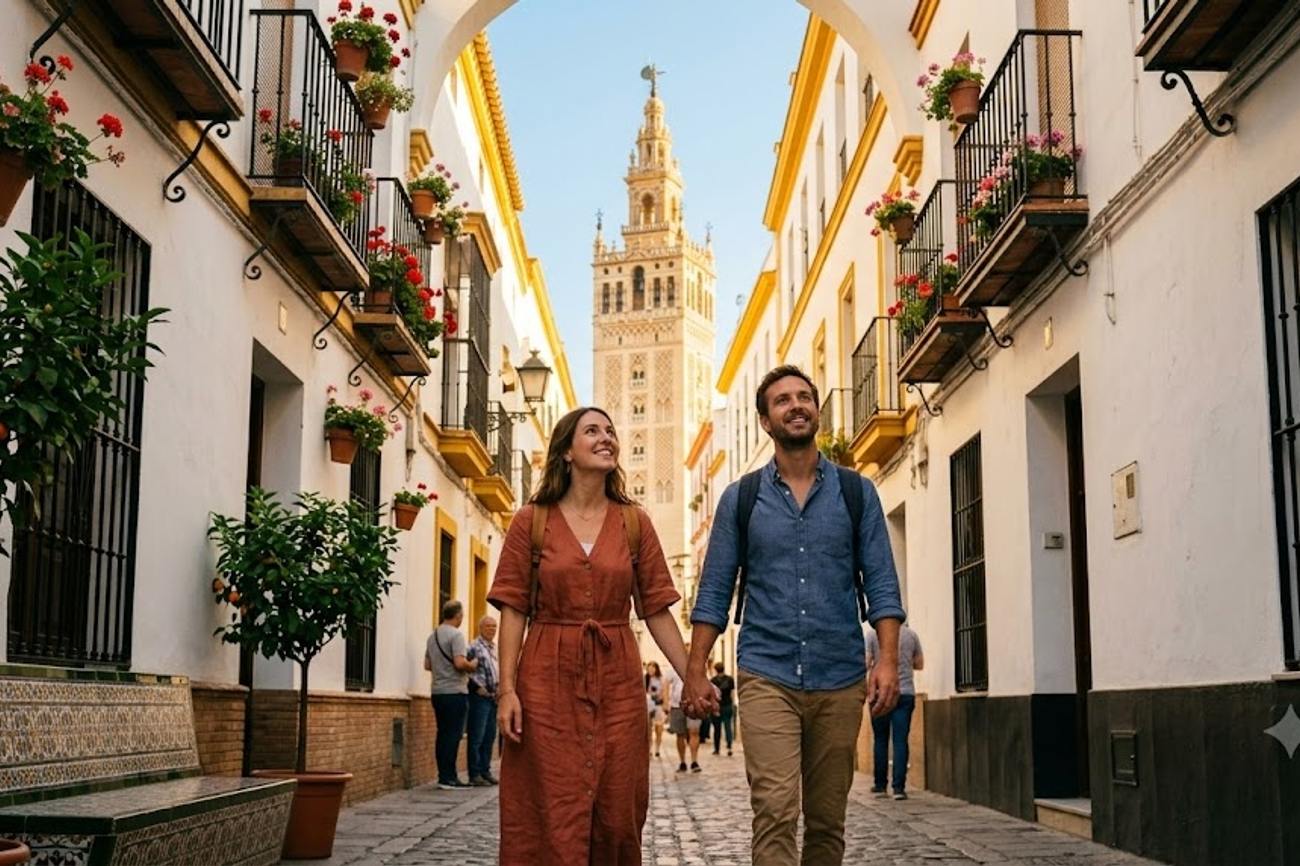
Image generated by AI
3,000 hours of annual sunshine position Seville as a primary strategic alternative for UK travelers fleeing the plummeting temperatures and diminishing daylight of the British autumn. While the United Kingdom enters its bleakest seasonal transition, the Andalusian capital maintains an average high of 26 degrees Celsius in October, creating a powerful climatic pull that transforms the city from a summer hotspot into a viable shoulder-season stronghold.
The Geoclimatic Shift in Autumn Migration
The surge in British arrivals to Seville during October is not merely a matter of preference but a response to a stark environmental contrast. For the UK traveler, the transition to autumn typically involves a sharp decline in usable outdoor hours and a rise in heating costs. Seville counters this with a climate that allows for high-intensity sightseeing without the oppressive, often dangerous, heat spikes characteristic of the Andalusian summer.
This shift in timing allows visitors to engage with the city's urban core—specifically the riverside areas along the Guadalquivir River—in conditions that are physically sustainable. The ability to maintain outdoor activities well into October provides a competitive edge over Northern European destinations, where the "city break" model is often hindered by unpredictable rain and cold.
Economic Metrics and Accessibility Data
The appeal of Seville is reinforced by a pricing structure that remains significantly lower than that of major European hubs like Paris, Amsterdam, or London. This affordability is most evident in the local hospitality sector, where the cost of entry for cultural immersion is kept low through traditional dining models.
| Expense Category | Estimated Cost (EUR) | Notes |
|---|---|---|
| Local Wine | From €1.50 per glass | Regional Andalusian varieties |
| Tapas Plates | €2.00 – €6.50 | Variable by ingredient/complexity |
| Flight Duration | ~2 hours 45 minutes | Average from London hubs |
Logistically, the city has optimized its accessibility for the UK market. Direct air corridors are now established from a diverse range of departure points, reducing the friction of travel. While London remains the primary hub, the integration of flights from Birmingham, Manchester, and Bristol—the latter serving as the primary gateway for travelers from South East Wales—indicates a decentralization of the UK-Spain travel pipeline. This expanded connectivity ensures that Seville is not just a destination for the metropolitan elite but is accessible to a broader demographic of budget-conscious regional travelers.
Expert Analysis: The Value Proposition of the Andalusian Shoulder Season
For the modern nomad or the short-term traveler, the shift toward Seville in October represents a calculated move toward "value-optimization." When analyzing the intersection of flight costs, local spending, and weather reliability, Seville offers a higher return on investment than almost any other European city in the fourth quarter.
Seville, Spain is experiencing a surge in travel demand, particularly from UK visitors, who are drawn to the city's warm October sun and rich cultural heritage. According to the Spanish Tourism Board, the city offers a unique blend of Moorish architecture, vibrant festivals, and delicious cuisine, making it an ideal destination for an affordable city break. With its well-preserved historic center, Seville is a must-visit destination for anyone interested in exploring the authentic Spain.
The direct consequence of this trend is a redistribution of tourist pressure. By moving the peak visitation window from July/August to October, the city reduces the strain on its infrastructure and heritage sites. For the traveler, this means shorter queues at the Royal Alcázar of Seville and a more authentic interaction with the Santa Cruz district. The pricing pressure created by this shift generally keeps costs stable; because Seville is not relying solely on a three-month summer window, the local economy is less prone to the extreme "tourist pricing" seen in cities like Venice.
Furthermore, the synergy between the UNESCO World Heritage status of the Seville Cathedral and the city's affordable food scene creates a "high-culture, low-cost" environment. Travelers can engage with world-class Gothic architecture and the Giralda tower, then pivot to a €2 tapa, effectively decoupling the quality of the cultural experience from the cost of the trip. This makes Seville a strategic choice for those who want the prestige of a European cultural capital without the associated financial inflation.
Key Takeaways
- Climatic Advantage: An average October high of 26 degrees Celsius and 3,000 annual sunshine hours make Seville a premier autumn refuge.
- Budget Efficiency: Local dining remains highly accessible, with wine starting at €1.50 and tapas ranging from €2 to €6.50.
- Diversified Access: Direct flight paths from London, Manchester, Birmingham, and Bristol have lowered the logistical barrier for UK residents.
- Cultural Density: The city offers a concentrated mix of Moorish, Gothic, and Baroque architecture, highlighted by the Royal Alcázar and the Seville Cathedral.
- Modern Integration: The Setas de Sevilla provides a contemporary architectural contrast to the historic Jewish quarter of Santa Cruz.
FAQ: Seville Travel 2024
What is the best time to visit Seville for UK travelers? October is ideal. Temperatures average 26 degrees Celsius, avoiding the extreme summer heat while providing significantly more sunshine and warmth than the UK's autumn climate.
How expensive is eating out in Seville? It is very affordable. Many traditional tapas dishes cost between €2 and €6.50, and a glass of local wine can be found for as little as €1.50.
Which UK airports offer direct flights to Seville? Direct services are available from London, Birmingham, Manchester, and Bristol, with the flight from London taking approximately 2 hours and 45 minutes.
What are the must-see landmarks in Seville? The Royal Alcázar, the Seville Cathedral (and Giralda tower), the Plaza de España in María Luisa Park, and the modern Setas de Sevilla are the primary attractions.
A strategic pivot to Andalusia transforms the bleakness of a British October into a high-value cultural asset.
Related Travel Guides
- India’s Delhi Tourism Future Gets A Powerful Boost As Historic Town Hall Becomes A Global Heritage Hub
- Croatia Sets a New Europe Tourism Standard as Dubrovnik Wins Green Pioneer Honour in 2026
- India Travel Faces Diwali Fare Surge As Domestic And International Flight Prices Rise Over Three Hundred Percent
This article is for informational purposes. Flight routes, passenger regulations, visa rules, and transit advisories are subject to change by airlines and aviation authorities. Readers are advised to verify schedules and travel documentation with relevant carriers and border agencies before departure.
Related Stories

Spain and France Lead Global Winter Tourism Rankings 2026 as Seasonal Travel Shifts

European Mass Protests Disrupt Travel Across France, Italy, Belgium, and Turkey in 2026