India Travel Faces Diwali Fare Surge As Domestic And International Flight Prices Rise Over Three Hundred Percent

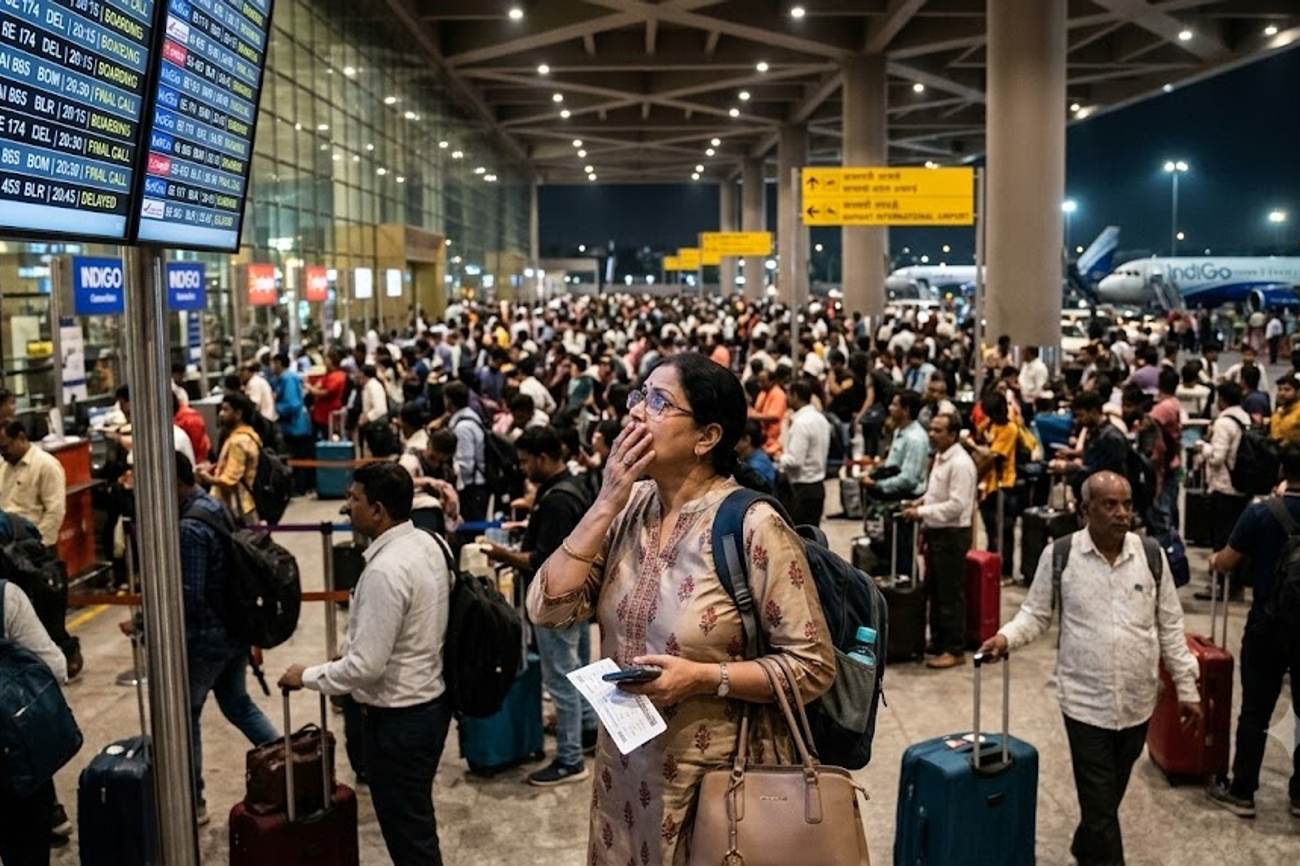
Image generated by AI
A 340% surge in airfares on regional routes like Kolkata to Deoghar serves as a stark warning for millions of passengers navigating the Diwali travel window. This extreme price volatility is not an isolated incident but the result of a perfect storm: an inelastic demand curve driven by cultural imperatives, a tightening supply of available seats, and a volatile energy market that is forcing carriers to pass operating costs directly to the consumer.
The Mechanics of Festive Demand and Supply Constraints
The Diwali period represents one of the most intense peaks in the global aviation calendar, specifically for the Indian diaspora and domestic migrants. Unlike leisure travel, where passengers may opt for alternative dates if prices spike, festive travel is driven by fixed dates, creating a scenario where demand remains high regardless of price increases.
This year, the pressure is compounded by a systemic lack of seat availability on high-traffic corridors. When millions of professionals, students, and expatriates attempt to converge on their hometowns simultaneously, airlines leverage dynamic pricing algorithms to maximize revenue per available seat kilometer (RASK). This is particularly evident on regional routes where competition is lower and flight frequencies are limited, allowing for the dramatic price jumps seen in the domestic sector.
The Financial Breakdown of the Diwali Surge
The current pricing environment is characterized by sharp disparities between hub-to-hub connections and regional spokes. While major metropolitan routes maintain some level of competition, the "last mile" of aviation—regional connectivity—is seeing the most aggressive inflation.
The following data outlines the current fare landscape for key routes and operational costs impacting the industry:
India is bracing for a significant surge in airfare prices as the festive season of Diwali approaches, with domestic and international flight prices rising over three hundred percent. According to the Directorate General of Civil Aviation, the regulator of civil aviation in India, this increase is largely due to high demand and limited supply. Passengers are advised to check with airlines for the latest fares and book in advance to avoid last-minute price hikes.
| Route/Metric | Carrier/Detail | Price/Value |
|---|---|---|
| Dubai to Delhi | IndiGo | Dh1,214 |
| Dubai to Delhi | Air India | Dh1,115 |
| Dubai to Delhi | Air India Express | Dh1,181 |
| Dubai to Delhi | SpiceJet | Dh1,013 |
| Sharjah to Delhi | IndiGo | Dh1,034 |
| Sharjah to Delhi | Air India | Dh1,695 |
| Sharjah to Delhi | Air India Express | Dh1,883 |
| Sharjah to Delhi | SpiceJet | Dh2,064.80 |
| Abu Dhabi to Delhi | IndiGo | Dh1,245 |
| Abu Dhabi to Delhi | Air India | Dh1,435 |
| Abu Dhabi to Delhi | Air India Express | Dh1,243.13 |
| Kolkata to Deoghar | Regional Average | Rs 12,500 (from Rs 2,800) |
| ATF Price Increase | September Shift | Rs 6.28 per litre (+5.46%) |
| Current ATF Price | Per Litre | Rs 121.28 |
Expert Analysis: The Convergence of Energy Costs and Geopolitics
The current fare crisis is not merely a product of seasonal demand; it is a reflection of the fragile relationship between aviation and global energy markets. Aviation Turbine Fuel (ATF) typically represents the single largest variable cost for any airline. When ATF prices rose by 5.46% in September, moving from Rs 115 to Rs 121.28 per litre, it eroded the profit margins of carriers already struggling with post-pandemic fleet recoveries.
For the traveler, the direct consequence is a "double-hit" pricing model. Airlines are simultaneously applying a "demand premium" (due to Diwali) and a "cost recovery surcharge" (due to fuel). Because the International Air Transport Association (IATA) frequently reports on the volatility of jet fuel, carriers are now more inclined to adjust fares in real-time rather than absorbing the cost.
The pricing pressure is most acute for the Non-Resident Indian (NRI) community in the Gulf. Routes from Dubai, Abu Dhabi, and Sharjah to Delhi are seeing elevated fares because these carriers know that the emotional necessity of the festival outweighs price sensitivity. This creates a market where airlines can push fares toward the ceiling of what the consumer is willing to pay, knowing that the alternative—not traveling—is socially unacceptable.
Furthermore, the disparity in fares from Sharjah to Delhi—where SpiceJet prices have climbed above Dh2,064.80 compared to IndiGo's Dh1,034—suggests that different carriers are utilizing different hedging strategies for their fuel and seat inventory. Those with less efficient fuel hedges or lower capacity are forced to hike prices more aggressively to remain solvent during the peak.
The surge in airfare prices is expected to impact both domestic and international travelers, with major airports such as Delhi's Indira Gandhi International Airport and Mumbai's Chhatrapati Shivaji Maharaj International Airport anticipating a significant increase in passenger traffic. For the latest information on flight schedules and airport facilities, passengers can visit the Airports Authority of India website, which provides real-time updates and travel advisories. Additionally, the Incredible India tourism campaign is promoting various destinations and experiences across the country, offering travelers a range of options to explore during the festive season.
Key Takeaways
- Regional Volatility: Domestic regional routes are seeing the highest inflation, with some fares increasing by as much as 340% during festive windows.
- Fuel Impact: A 5.46% increase in ATF prices to Rs 121.28 per litre is acting as a baseline driver for higher ticket costs across all carriers.
- Gulf-India Corridor: High-demand routes from the UAE to Delhi are seeing significant price variance, with some carriers charging nearly double the price of competitors.
- Booking Strategy: To avoid the peak "demand premium," travelers should target mid-week departures or flights on the actual day of Diwali, when demand typically dips.
- Alternative Logistics: For domestic travel, the extreme price hikes on regional flights make rail connectivity a necessary financial alternative.
FAQ: Diwali Travel 2024
Why are flight prices increasing so much for Diwali? Prices are rising due to a combination of massive seasonal demand, a limited number of available seats on key routes, and a recent 5.46% increase in aviation turbine fuel (ATF) costs.
Which routes are seeing the highest price hikes? Regional domestic routes, such as Kolkata to Deoghar, have seen the most extreme increases (up to 340%). International routes from the UAE (Dubai, Abu Dhabi, Sharjah) to Delhi are also experiencing significant surges.
How can I find cheaper flights during the festive season? Book as early as possible, set fare alerts, and consider flying on the day of Diwali itself or during mid-week windows. For domestic trips, checking train availability is highly recommended.
Does fuel price affect my ticket cost immediately? Yes. Because fuel is a primary operating expense, airlines often adjust their dynamic pricing models to reflect increases in ATF prices, especially during high-demand periods.
When cultural tradition meets market volatility, the traveler always pays the premium.
Related Travel Guides
- Munich Follows Frankfurt And More Places In Germany As Over 2% Oil Slide Unlocks Relief For Aviation And Tourism
- Saudi Arabia is Getting Ready for Riyadh’s Ethnosport Festival 2026 With Global Cultural Experiences
- US Advances With Germany and More in Fueling Italy Tourism Growth as It Recorded 72 Million+ Tourists in Q2 2026
This article is for informational purposes. Flight routes, passenger regulations, visa rules, and transit advisories are subject to change by airlines and aviation authorities. Readers are advised to verify schedules and travel documentation with relevant carriers and border agencies before departure.
Related Stories

European Mass Protests Disrupt Travel Across France, Italy, Belgium, and Turkey in 2026

Tainan Tourism Expansion 2026: Tigerair Debut and MICE Growth at TTF International Travel Fair