Croatia Sets a New Europe Tourism Standard as Dubrovnik Wins Green Pioneer Honour in 2026

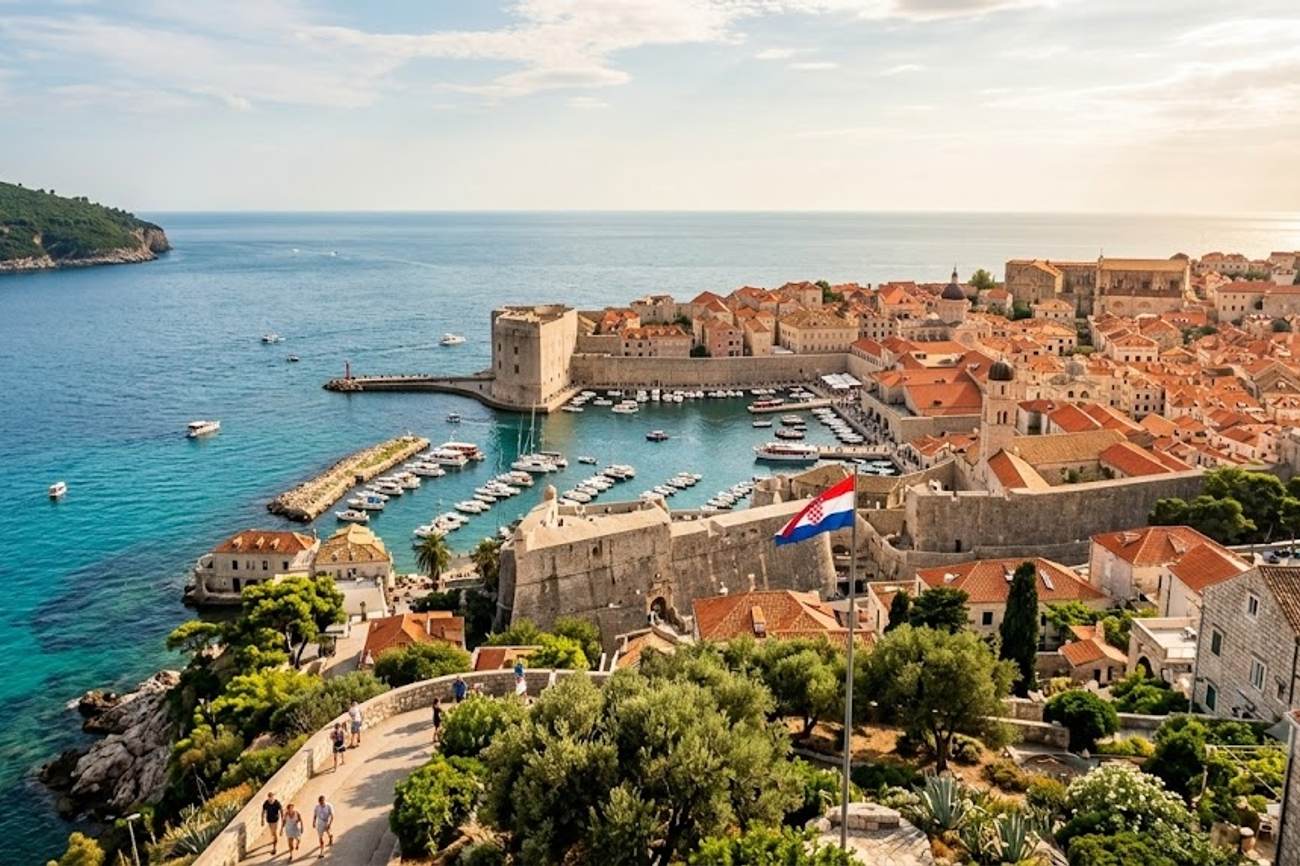
Image generated by AI
The European Commission's selection of the 2026 Smart Tourism winners marks a pivot from volume-based growth to precision-managed visitation, with Dubrovnik and Tampere emerging as the blueprints for two distinct scales of urban tourism. While previous years focused on recovery and reopening, the 2026 designations signal a shift toward "Green Pioneer" and "Smart Capital" frameworks that prioritize environmental carrying capacity over raw passenger counts.
The 2026 Smart Tourism Metrics: Scaling Sustainability
The European Commission’s 2026 awards are not merely honorary; they are the result of a rigorous competitive process involving 58 total applicants across two categories. The data reveals a high level of competition for these designations, reflecting a broader European trend toward the "smart destination" model.
For the European Capital of Smart Tourism, 32 applicants from 12 different countries vied for the title, which was ultimately awarded to Tampere, Finland. This category focuses on the integration of digital tools, accessibility, and cultural creativity within a larger urban framework. Simultaneously, the European Green Pioneer of Smart Tourism—a title specifically designed for smaller destinations leading in sustainable transitions—was awarded to Dubrovnik, Croatia, after a competition involving 26 applicants from 18 countries.
The distinction between these two awards highlights a bifurcated strategy in European tourism management:
- Large-Scale Integration (Tampere): Focuses on the "human" side of technology, using data to enhance accessibility and spread visitor density.
- Capacity Management (Dubrovnik): Focuses on "stress reduction" for the urban environment, utilizing visitor monitoring and strict limits on cruise ship arrivals to protect the historic core.
Comparative Context: The Shift Toward Managed Flow
The transition in Dubrovnik from a high-volume cruise hub to a "Green Pioneer" reflects a wider regional movement across the Mediterranean to combat overtourism. Historically, Adriatic ports relied on the surge of cruise arrivals to drive retail spending; however, the current data suggests a shift toward "value over volume." Dubrovnik is now implementing the Dubrovnik Pass and rigorous visitor monitoring to decouple economic growth from environmental degradation.
In contrast, Tampere is positioning itself as a competitor to traditional European city-break markets by leveraging "accessible nature." While cities like Paris or Rome struggle with congestion, Tampere is expanding its reach by removing barriers to its natural assets. The opening of the first accessible beach at Lake Pyhäjärvi in 2024, complete with Braille signage and ramps, is a data-backed attempt to capture the underserved inclusive tourism market.
The following table illustrates the diverging strategic priorities of the two 2026 winners:
| Metric/Focus | Tampere (Smart Capital) | Dubrovnik (Green Pioneer) |
|---|---|---|
| Primary Objective | Accessibility & Digital Integration | Environmental Preservation & Flow Control |
| Key Infrastructure | Outdoor Express Shuttles to National Parks | Cruise Ship Arrival Limitations |
| Digital Strategy | Tampere.Finland App / 3D Museum Experiences | Visitor Monitoring & Dubrovnik Pass |
| Market Positioning | Nature-centric City Break | Sustainable Historic Destination |
| Unique Value Prop | 70+ Public Saunas / Moomin Museum | Low-plastic, Green Transport Urban Core |
According to the World Tourism Organization (UNWTO), the shift toward sustainable urban management is essential for the long-term viability of UNESCO World Heritage sites. Dubrovnik's approach aligns with global benchmarks for "carrying capacity," ensuring that the narrow streets of the Old City do not reach a breaking point during peak seasons.
Practical Traveler Advisory and Strategic Insights
The implementation of "Smart Tourism" frameworks in these two cities will fundamentally change how visitors experience these destinations in 2026.
For those visiting Dubrovnik: The era of spontaneous, unmanaged arrivals is ending. Because the city is utilizing visitor monitoring and cruise ship caps, travelers should expect more structured entry points. To avoid the "stress" of narrow streets during peak hours, booking through the Dubrovnik Pass is no longer just a convenience—it is a strategic necessity to ensure access to key sites. If you are planning a visit in the summer of 2026, expect stricter controls on the number of people allowed in the historic center at one time.
Croatia's tourism industry has been recognized for its commitment to sustainability, with Dubrovnik being awarded the Green Pioneer honour in 2026. This prestigious award is a testament to the city's efforts in reducing its environmental footprint, and visitors can learn more about Croatia's sustainable tourism initiatives on the Croatian National Tourist Board website. By prioritizing eco-friendly practices, Croatia is setting a new standard for European tourism.
For those visiting Tampere: The data indicates a shift toward "decentralized" tourism. Rather than focusing on a single city center, the Outdoor Express shuttle service now provides seasonal connections to Seitseminen, Helvetinjärvi, and Isojärvi national parks. This means travelers can avoid renting cars—reducing both cost and carbon footprints. Furthermore, the availability of four barrier-free nature trails and digital "Culture Routes" via the Tampere.Finland app allows for a self-paced itinerary that avoids the crowds typical of European capitals.
For a broader look at how digital tools are reshaping European travel, Statista provides comprehensive data on the adoption of smart city technologies in the tourism sector, showing a clear correlation between digital accessibility and increased average length of stay.
Forward Projection: The "Smart" Contagion
Based on the current trajectory of the European Commission's awards, we can project that "Green Pioneer" status will become the new gold standard for Mediterranean destinations. As Dubrovnik proves that limiting cruise arrivals can coexist with sustainable tourism, other Adriatic and Aegean ports are likely to adopt similar "visitor monitoring" systems.
Tampere’s success in integrating sauna culture (with over 70 public saunas) and accessibility into a digital framework suggests a future where "wellness tourism" is integrated directly into the urban fabric. We expect to see a rise in "barrier-free" nature certifications across Northern Europe, as Tampere's 2024 Lake Pyhäjärvi model demonstrates a clear market gap in inclusive outdoor tourism.
The overarching trend is the death of the "one-size-fits-all" tourism model. The 2026 awards prove that the industry is moving toward a specialized approach: technology for the large city (Tampere) and restriction for the historic gem (Dubrovnik).
FAQ: Smart Tourism 2026
Will these new measures make Dubrovnik more expensive? While the Dubrovnik Pass involves a cost, the goal is to manage flow rather than increase prices. However, the limitation on cruise ships may shift more demand toward hotel-based tourism, potentially increasing peak-season accommodation rates.
Is Tampere a viable alternative to traditional European city breaks? Yes. The data shows Tampere is intentionally differentiating itself from cities like Barcelona by offering "accessible nature" and specialized culture (Moomin Museum, sauna culture), making it an ideal choice for those seeking lower-density travel.
How do I use the "Smart" features in Tampere? The primary gateway is the Tampere.Finland app, which provides 24/7 access to Culture Routes, including specialized paths for ice hockey history and the 1918 Civil War.
Will cruise ship limits in Dubrovnik affect my booking? If you are booking a cruise, you may find fewer available dates or more restricted shore excursion windows. Land-based travelers will likely find the city less congested than in previous years.
The transition from "more tourists" to "smarter tourism" is no longer a theory—it is the operational mandate for 2026.
Related Travel Guides
- India Travel Faces Diwali Fare Surge As Domestic And International Flight Prices Rise Over Three Hundred Percent
- Munich Follows Frankfurt And More Places In Germany As Over 2% Oil Slide Unlocks Relief For Aviation And Tourism
- Saudi Arabia is Getting Ready for Riyadh’s Ethnosport Festival 2026 With Global Cultural Experiences
This article is for informational purposes. Flight routes, passenger regulations, visa rules, and transit advisories are subject to change by airlines and aviation authorities. Readers are advised to verify schedules and travel documentation with relevant carriers and border agencies before departure.
Related Stories
European Mass Protests Disrupt Travel Across France, Italy, Belgium, and Turkey in 2026
Storm Bruna 2026: Iberia Faces 200mm Rainfall and 6m Swells Triggering Mass Travel Chaos