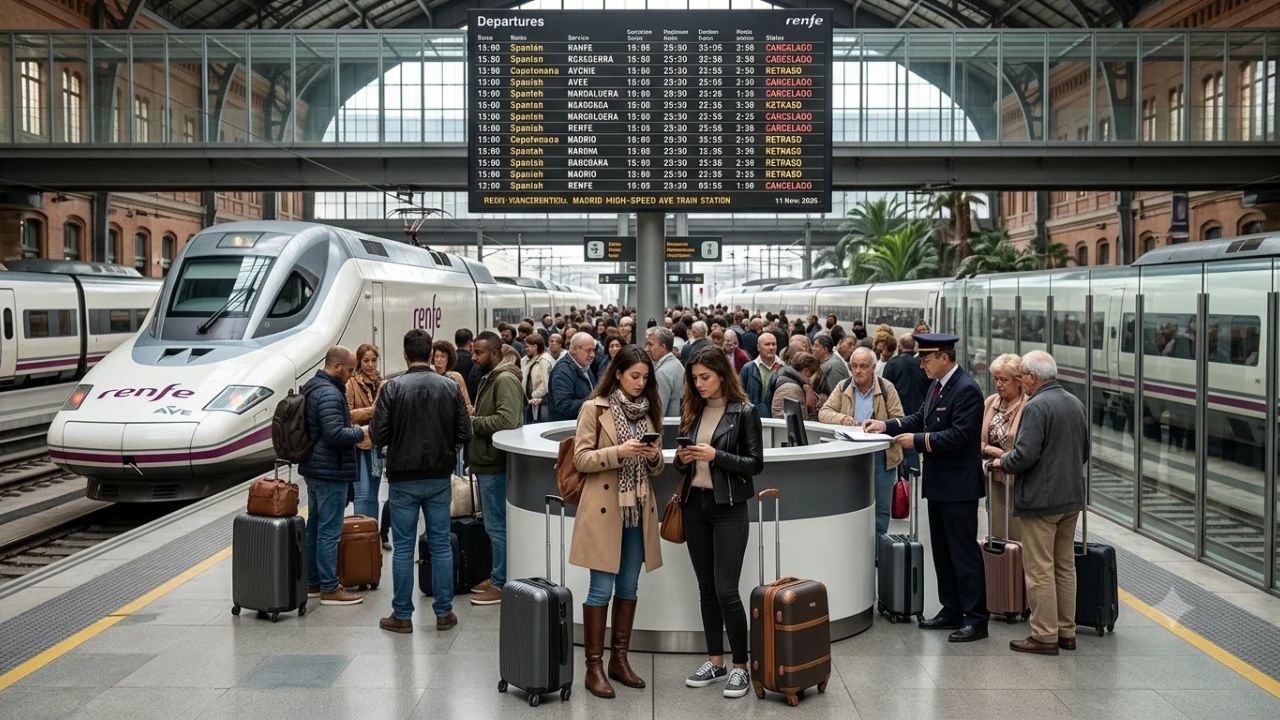
Spain Restores Railway Services to Unlock Easier Travel Across the Basque Country

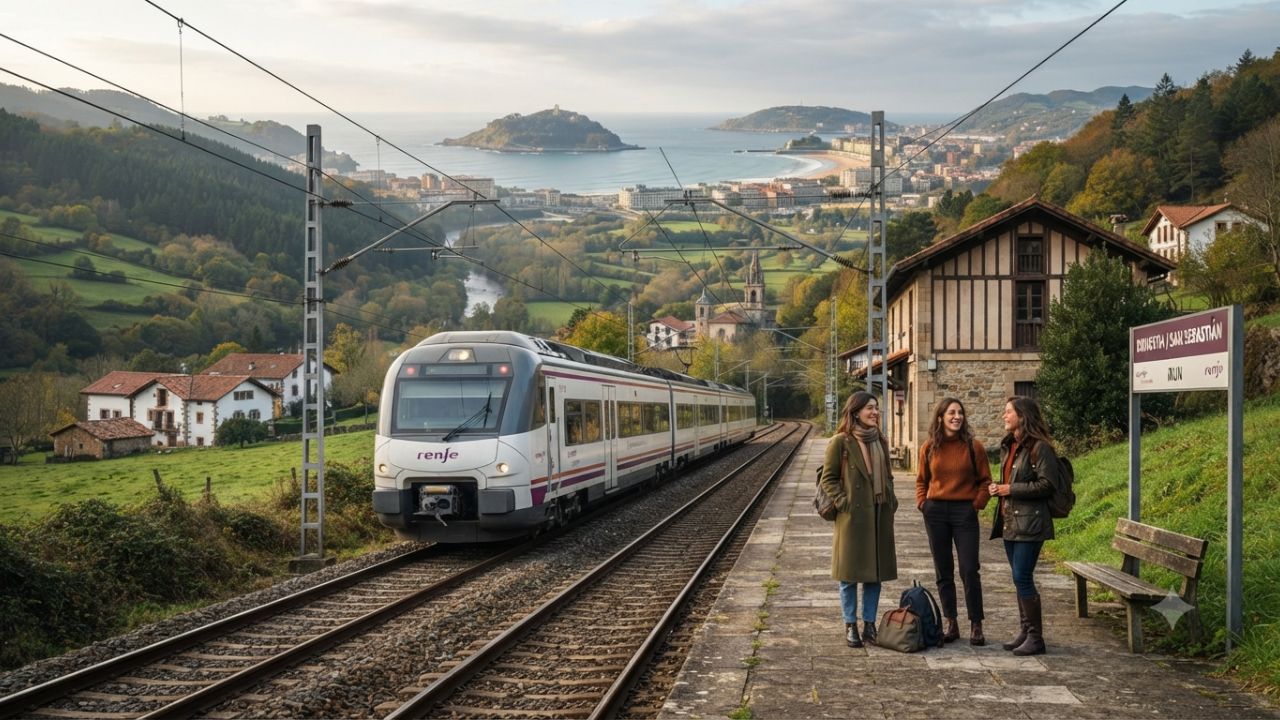
Spain's national railway operator Renfe, in coordinated partnership with infrastructure manager Adif, is restoring full regular commuter railway frequencies across the province of Gipuzkoa from 26 November 2026, delivering reliable public transport access connecting the French border at Irun with San Sebastián and the rural interior at Brinkola.
The operational recovery marks the end of extended modified operating schedules caused by complex railway modernisation works along the primary rail artery of the Basque Country. For several months, passengers had navigated daytime service suspensions and replacement bus transfers between Irun and Hernani as engineering teams upgraded tracks, signaling, and electrical infrastructure. With the conclusion of temporary bus bridges on 31 October and the formal introduction of supplementary train frequencies on 26 November, residents, commuters, and independent international holidaymakers regain an efficient, low-carbon transit spine. The restored corridor unlocks direct access to world-renowned culinary capitals, historic cider-producing valleys, traditional weekly agricultural markets, and mountain trails ahead of the winter holiday season.
GIPUZKOA COMMUTER RAILWAY RESTORATION: OPERATIONAL BENCHMARKS
| Metric Dimension | Technical Specification & Operational Status |
|---|---|
| Railway Line Designation | Renfe Cercanías San Sebastián (Line C-1) |
| Geographic Corridor | Irun – San Sebastián (Donostia) – Brinkola |
| Autonomous Community & Province | Basque Country (Euskadi), Gipuzkoa |
| National Railway Operator | Renfe Operadora |
| Infrastructure Manager | Adif (Administrador de Infraestructuras) |
| Official Timetable Restoration | Thursday, 26 November 2026 |
| Announcement Date | 23 November 2026 |
| Previous Restriction Regime | Mon–Thu: Trains restricted to 04:30–17:30 |
| Ended Road Replacement Plan | Bus transfers between Irun & Hernani (ended) |
| Terminal Stations | Irun (North / French border) to Brinkola (S) |
| Intermediate Tourism Hubs | San Sebastián, Hernani, Tolosa, Ordizia |
| Fare & Card Integration | Renfe Cercanías tickets & Basque Mugi card |
Anatomy of the Restoration: Overcoming Infrastructure Upgrades
The return of standard railway frequencies along Line C-1 of the Renfe Cercanías network in San Sebastián represents a major milestone in Gipuzkoa's regional mobility. The railway line between Irun and Brinkola forms part of the historical Madrid–Hendaye railway corridor, carrying a mix of commuter services (Cercanías), regional trains (Media Distancia), long-distance high-speed links (Alvia), and cross-border freight traffic.
To accommodate future European interoperability and prepare the corridor for connection with the high-speed Basque Y railway network, Adif has been executing comprehensive infrastructure modernisations. These works include installing standard European gauge (1,435 mm) third-rail technology alongside Iberian gauge (1,668 mm) tracks, modernising overhead catenary electrification, upgrading electronic interlocking signaling systems, and expanding clearance envelopes within historic mountain tunnels.
GIPUZKOA RAILWAY RESTORATION TIMELINE (AUTUMN 2026)
| Entity / Route | Metrics | Operational Status |
|---|---|---|
| Operational Parameter | Temporary Works Regime | Restored Regular Schedule |
| Night & Late Evening Trains | Cancelled (Bus transfer) | Fully Restored by Rail |
| Intermodal Friction | High (Forced transfers) | Zero (Direct rail transit) |
| Irun–San Sebastián Travel Time | 45–60 mins (via road bus) | 20–22 minutes (Direct rail) |
| Frequency Pattern | Restricted hourly slots | Regular 15-to-30 min cadence |
| Luggage & Bicycle Carriage | Heavily restricted on bus | Permitted on all trains |
The Irun–Brinkola Rail Corridor: Station-by-Station Travel Guide
The restored Line C-1 spans approximately 83 kilometers, traversing the province of Gipuzkoa from northeast to southwest. It connects the Atlantic coastline and French border with the rugged interior of the Goierri and Urola Garaia valleys, offering an attractive public transport corridor for travelers.
RENFE CERCANÍAS LINE C-1 CORRIDOR ROUTE MAP
| Category / Entity | Details / Impact |
|---|---|
| Feature Dimension | Operational & Historical Reality |
| Foundation Charter Date | Granted by King Ferdinand in the year 1512 |
| Operating Schedule | Every Wednesday morning, year-round |
| Primary Trading Products | Raw Latxa sheep's cheese, seasonal fungi, |
| heirloom apples, local vegetables, honey | |
| Regional Market Role | Establishes official benchmark prices for |
| agricultural goods across the Basque Country | |
| Railway Proximity | Ordizia Cercanías station is 200m from Plaza |
7. Beasain: Industrial Antiquity and the Igartza Complex
Located just two kilometers past Ordizia, Beasain blends modern manufacturing with preserved medieval heritage:
- Igartza Monumental Complex: An exceptional architectural collection dating back to the fourteenth century, featuring a restored wooden mill, iron forge, river dam, stone palace, and traditional wooden bridge across the Oria River.
- Industrial Lineage: Beasain is the global headquarters of CAF (Construcciones y Auxiliar de Ferrocarriles), one of the world's premier manufacturers of modern high-speed trains, trams, and electric locomotives.
8. Zumarraga: The Cathedral of Basque Hermitages
Zumarraga occupies a key geographic crossroads connecting Gipuzkoa with Álava and Biscay:
- Hermitage of La Antigua: Perched on the slopes above the town, this Romanesque-Gothic sanctuary is revered as the "Cathedral of Basque Hermitages." Its extraordinary interior features an exposed fourteenth-century timber ceiling structure crafted from massive local oak beams, designed without iron nails.
- Railway Heritage: Zumarraga Station historically linked three distinct railway lines—the Northern Railway (Renfe), the Urola Railway, and the Basque-Asturian network.
9. Legazpi: The Iron Valley of Gipuzkoa
Legazpi provides a deep dive into the region's metallurgical soul:
- The Lenbur Foundation and Iron Valley: Guided tours showcase centuries of water-powered metallurgy. The highlight is the Mirandaola Forge, where master blacksmiths dressed in traditional sixteenth-century garments operate a massive water-driven wooden trip hammer to forge red-hot iron.
- Basque Workers' Museum: Chronicling the social history, labor movements, and migration patterns that transformed rural Gipuzkoa into an industrial power.
10. Brinkola: Countryside Serenity and Mountain Gateways
The southern terminus of Line C-1, Brinkola is a peaceful rural hamlet situated at the foot of the Aizkorri mountain range.
- Aizkorri-Aratz Natural Park: From the station platform, hikers can embark on trails ascending into limestone peaks, alpine pastures, and beech forests.
- Barrendiola Reservoir: A scenic four-kilometer circular hiking circuit offering tranquil mountain views and fresh alpine air.
GIPUZKOA RAILWAY STATIONS & PRIMARY TOURISM THEMES
| Entity / Route | Metrics | Operational Status |
|---|---|---|
| Station Name | Transit Zone | Primary Tourism & Cultural Focus |
| Irun | Zone 5 | Border history, Roman Oiasso museum, Camino |
| San Sebastián | Zone 1 | Pintxos dining, La Concha, Belle Époque coast |
| Hernani | Zone 1 | Traditional cider houses (Sagardoa), Chillida |
| Andoain | Zone 2 | Plazaola greenway, hiking, Leitzaran biotope |
| Tolosa | Zone 3 | Saturday food market, black beans, puppetry |
| Ordizia | Zone 4 | Historic 1512 market, Idiazabal cheese center |
| Beasain | Zone 4 | Igartza medieval forge, palace, wooden dam |
| Zumarraga | Zone 5 | La Antigua oak-timbered hermitage sanctuary |
| Legazpi | Zone 6 | Iron valley, water hammer forge, worker museum |
| Brinkola | Zone 6 | Aizkorri-Aratz mountain park, reservoir hike |
Cross-Border Mobility: Linking Gipuzkoa with French Nouvelle-Aquitaine
The restoration of regular train schedules to Irun holds substantial value for international travelers planning cross-border European journeys. The Basque Eurocity corridor linking San Sebastián, Irun, Hendaye, Saint-Jean-de-Luz, Biarritz, and Bayonne represents an integrated international cultural zone.
CROSS-BORDER RAIL CONNECTIONS AT THE BIDASOA FRONTIER
| Entity / Route | Metrics | Operational Status |
|---|---|---|
| Dimension | Cercanías Commuter Railway | Rental Car Travel |
| Carbon Footprint | Zero direct emissions (EV) | High fossil fuel burn |
| San Sebastián Parking Costs | €0 (Arrive at town centre) | €25 to €35 per day |
| Cider House Excursion Safety | 100% Safe (Zero driving) | Strict drink-drive limits |
| Scenic Valley Visibility | Panoramic large windows | Driver stress on mountain |
| Camino & Bike Integration | Allowed on board free | Costly bike racks needed |
Practical Travel Information: Fares, Ticketing, and Logistics
Navigating the Renfe Cercanías San Sebastián network is simple and affordable. Here are essential practical guidelines for planning journeys along Line C-1.
RENFE CERCANÍAS SAN SEBASTIÁN: FARE ZONES (2026)
| Entity / Route | Metrics | Operational Status |
|---|---|---|
| Zones Travelled | Single Ticket (Billete Ida) | Return Ticket (Ida y Vuelta) |
| 1 Zone | €1.80 | €2.75 |
| 2 Zones | €2.05 | €3.25 |
| 3 Zones | €2.75 | €4.35 |
| 4 Zones | €3.55 | €5.65 |
| 5 Zones | €4.35 | €6.90 |
| **6 Zones (Full Line: Irun-Brinkola) | €5.55 | €8.85 |
Ticketing Options and Contactless Payment
- Cronos Contactless System: Passengers can tap their contactless bank card (Visa, Mastercard) or smartphone digital wallet directly at station turnstiles when boarding and exiting. The system automatically calculates and charges the exact fare based on the zones traversed, eliminating the need to wait at ticket vending machines.
- The Basque Mugi Card: For travelers staying in the Basque Country for multiple days, purchasing an anonymous reloadable Mugi card (available at newsstands and kiosks for €5) offers discounts of up to 47% per trip across Renfe Cercanías, Euskotren, and Dbus urban buses in San Sebastián.
- Renfe Cercanías Mobile App: Provides real-time departure boards, platform announcements, and interactive route maps showing all intermediate station stops.
Onboard Regulations and Bicycle Policies
- Bicycles: Permitted on all Line C-1 trains free of charge. Bicycles must be placed in designated multi-purpose carriages located at the ends of train sets.
- Luggage: Overhead racks and vestibule storage accommodate standard airline suitcases and backpacks.
- Accessibility: Most primary stations along the corridor—including Irun, San Sebastián, Hernani, Tolosa, and Zumarraga—feature step-free elevator access and raised boarding platforms.
Frequently Asked Questions About Gipuzkoa’s Railway Restoration
What railway service has been restored in Spain’s Basque Country?
Renfe and Adif have restored regular commuter train frequencies on Line C-1 of the Cercanías San Sebastián network, which connects Irun on the French border with San Sebastián and Brinkola in the province of Gipuzkoa.
When does the restored railway timetable take effect?
The additional frequencies and regular timetable officially take effect on Thursday, 26 November 2026.
Why were train services restricted in Gipuzkoa prior to this date?
Services were temporarily modified to accommodate major railway infrastructure works managed by Adif. These works included track renewals, third-rail installation for European gauge compatibility, catenary electrification modernisations, and tunnel enlargements between Irun and Hernani.
Are replacement buses still operating on the corridor?
No. The alternative road transport plan involving replacement buses between Irun and Hernani officially concluded on 31 October 2026. All passenger services are now operated entirely by electric trains.
How long does the train take between San Sebastián and Irun?
Direct Renfe Cercanías trains take approximately 20 to 22 minutes to travel between San Sebastián's Estación del Norte and Irun, making it significantly faster and more reliable than driving or taking regional road buses.
Can tourists use the train to visit Basque cider houses?
Yes. The train stops at Hernani, the capital of Basque cider culture. Visitors can travel from San Sebastián to Hernani in just 10 minutes to enjoy traditional cider houses without the hazard or expense of driving.
How does the railway link to France?
Irun is located on the French border. From Irun, travelers can walk or take the 3-minute Euskotren "Topo" train across the Bidasoa River into Hendaye, France, connecting directly with French SNCF TGV and regional TER trains to Biarritz, Bayonne, Bordeaux, and Paris.
What payment methods are accepted on Renfe Cercanías San Sebastián?
Passengers can use contactless credit/debit cards via the Cronos tap-in/tap-out system, purchase single and return paper tickets at station kiosks, or use the integrated Basque Mugi transport card for discounted regional fares.
What historic market towns can be visited along Line C-1?
The line provides direct access to Tolosa (renowned for its Saturday farmers' market, confectionery, and black bean festival) and Ordizia (home to the historic Wednesday agricultural market that has operated continuously since 1512).
Is the line suitable for hikers and nature lovers?
Yes. Line C-1 stops at Andoain (the entrance to the Plazaola Greenway and Leitzaran Valley) and terminates at Brinkola, which provides walking trails into the alpine meadows of Aizkorri-Aratz Natural Park.
Related Travel Guides
- Saudi Arabia and More in Focus as Qatar Opens Five Historic Landmarks to Global Travellers
- South Africa Outshines Other Nations to Become the World’s Top Wildlife Destination
- Jamaica Welcomes a New Wave of Canadian Travel With Four Nonstop Flight Routes
- Uzbekistan and Jordan Eye Tourism Boom with Visa Waivers and Direct Charter Flight Plans
This article is for informational purposes. Flight routes, passenger regulations, visa rules, and transit advisories are subject to change by airlines and aviation authorities. Readers are advised to verify schedules and travel documentation with relevant carriers and border agencies before departure.
Related Stories
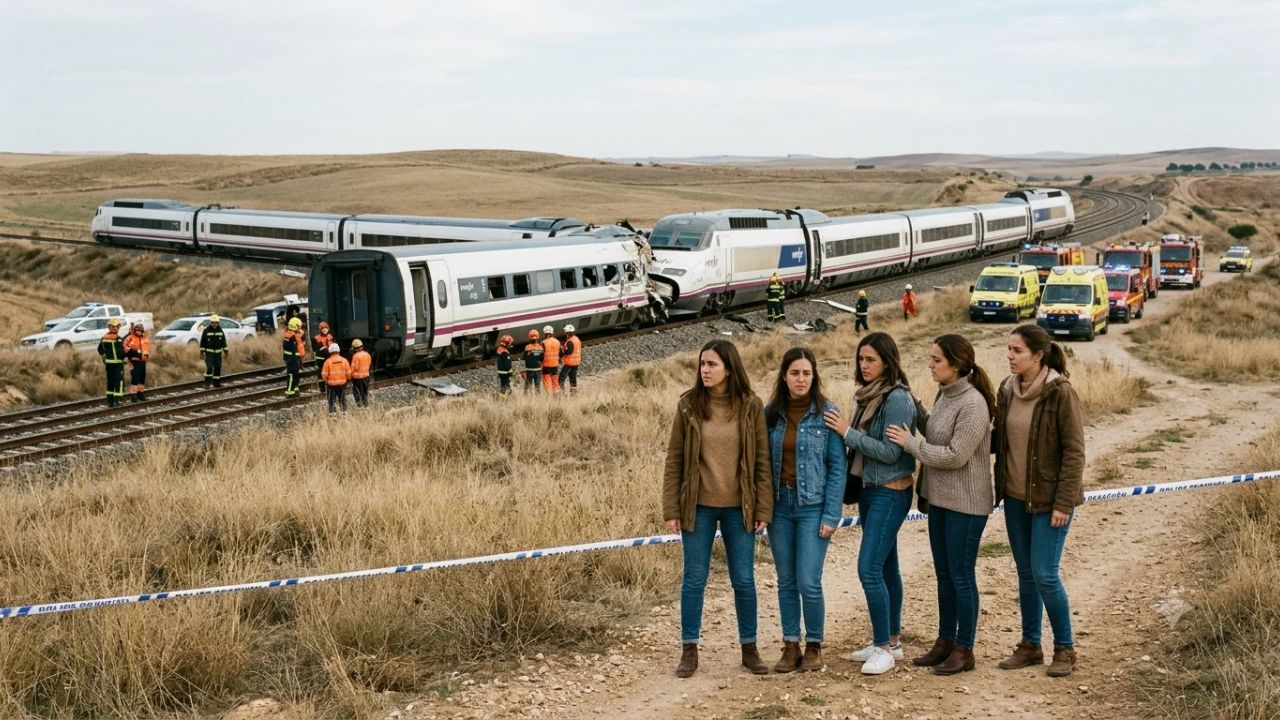
Spain Halts Madrid to Andalusia High-Speed Rail Following Deadly Renfe and Iryo Train Collision Near Toledo
Madrid to Cáceres Transport Guide 2026: Renfe Train and Avanza Bus Routes and Schedules