Vietnam and Thailand Budget Travel Costs Surge as Overtourism Drives 2026 Price Hikes

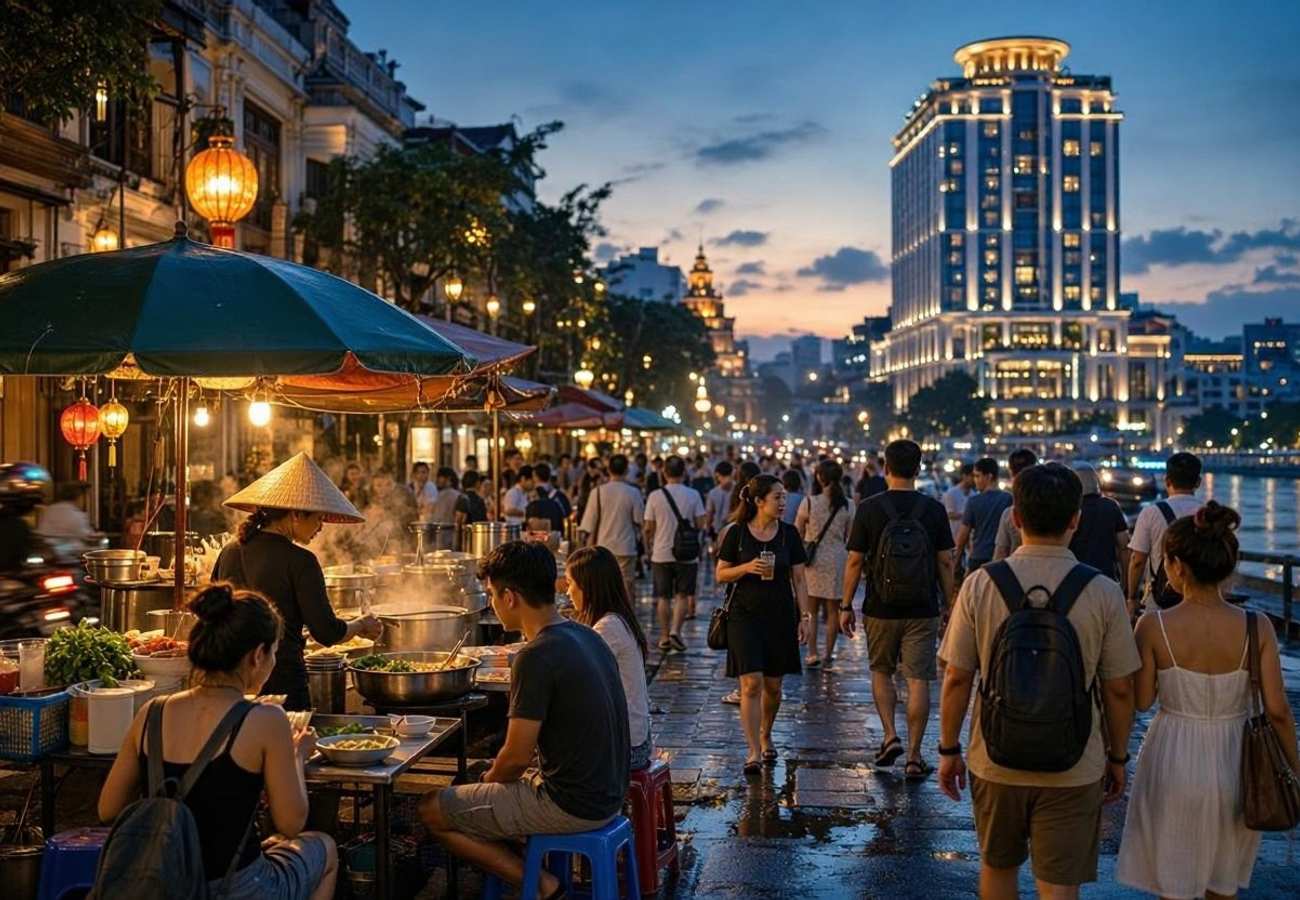
Image generated by AI
Daily travel expenditures in Vietnam have climbed from a historical average of €15–€25 to current rates of €35–€65+, marking a significant shift in the affordability of Southeast Asia's most popular corridors. This price trajectory is not isolated to one nation but represents a systemic market correction across formerly low-cost sanctuaries, where the intersection of social media virality and infrastructure investment is pricing out the traditional budget traveler.
The Inflation of Budget Sanctuaries in Numbers
The transition from "budget-friendly" to "mid-range" is being driven by three primary catalysts: aggressive luxury real estate development, the migration of high-earning digital nomads, and government-imposed tourist levies. In Vietnam, the proliferation of high-density resort zones in Da Nang and Phu Quoc has created a pricing floor that pushes private room rates upward, effectively eliminating the ultra-low-cost accommodation tier in coastal hotspots.
Similar pressures are evident in Thailand, where the World Travel & Tourism Council (WTTC) data often highlights the impact of high-volume arrivals on local infrastructure. The introduction of passenger tariffs and proposed visitor fees in Bangkok and Phuket has added a new layer of baseline expense for every inbound arrival, moving the cost of entry beyond simple flight and hotel bookings.
In Georgia, the driver is residential. The influx of remote workers into Tbilisi and Batumi has triggered a housing shortage, causing residential rent and boutique hotel prices to align with international salary scales rather than local economic realities. Meanwhile, Albania's Mediterranean coast—specifically Ksamil and Sarandë—has seen a viral surge that has inflated summer rates for beach amenities and seafood dining by as much as 40%.
Comparative Cost Shifts: 2026 Market Analysis
The following data illustrates the divergence between historical budget expectations and the current financial reality across four key emerging markets.
| Country | Primary Inflation Driver | Key Impacted Sector | Historical Daily Budget | 2026 Daily Budget | Primary Hotspots |
|---|---|---|---|---|---|
| Vietnam | Luxury Resort Growth | Mid-tier Lodging & Dining | €15–€25 | €35–€65+ | Da Nang, Phu Quoc, Hoi An |
| Thailand | Overtourism & Levies | Island Transit & Airport Fees | €20–€30 | €45–€85+ | Phuket, Koh Samui, Bangkok |
| Georgia | Digital Nomad Influx | Urban Rentals & Cafes | €20–€30 | €50–€90+ | Tbilisi, Batumi, Kazbegi |
| Albania | Social Media Virality | Coastal Lodging & Beach Services | €25–€35 | €55–€95+ | Ksamil, Sarandë, Vlorë |
What This Means for Travelers
The era of the "unbeatable bargain" in these regions has effectively closed for those sticking to primary tourist circuits. To maintain a budget-conscious itinerary in 2026, travelers must pivot their strategy from "destination selection" to "location optimization."
- Avoid the "Viral Loop": Destinations trending on social media (e.g., the Albanian Riviera or Phu Quoc) now command near-Western prices during peak seasons. Booking 12-16 weeks in advance is now mandatory for these zones to avoid the most aggressive dynamic pricing.
- Shift to Secondary Hubs: In Vietnam, moving away from the core routes of Ha Long Bay and Hoi An into secondary provinces can still yield historical pricing. In Albania, inland cities like Berat and Gjirokastër remain significantly more affordable than the coast.
- Monitor Entry Levies: Travelers to Thailand should consult the Thailand Public Relations Department for the latest on passenger tariffs and visitor fees to avoid unexpected costs upon arrival.
- Digital Nomad Pricing: If visiting Georgia, be aware that "short-term" rentals are now priced for monthly remote-work contracts. Look for traditional guesthouses (homestays) in the Caucasus mountains rather than apartments in Tbilisi.
Projection: The Rise of High-Value Tourism
The current data suggests a permanent transition toward "high-value tourism." As governments in Southeast Asia and the Balkans realize the revenue potential of luxury segments, infrastructure will continue to favor high-spending demographics. This shift is often supported by data from Statista regarding the growth of the global luxury travel market.
We expect to see a further decline in family-run guesthouses as they are acquired by international resort chains, particularly in Thailand's southern islands. This will likely push the "budget" traveler further into the periphery of these countries, creating a new map of affordable travel that avoids capital cities and coastal hubs entirely.
FAQ: Budget Travel Inflation 2026
Are Vietnam and Thailand still cheaper than Europe? Yes, they generally remain more affordable than Western European capitals, but the gap is narrowing. The "extreme budget" experience (under €30/day) is now only possible in non-tourist rural areas.
When is the best time to book to avoid these price hikes? For coastal regions in Albania and Vietnam, booking 3-4 months in advance is essential. For Georgia, avoid the peak digital nomad migration windows in late spring and early autumn.
Which airlines are expanding into these high-cost zones? Major carriers are increasing capacity to luxury hubs like Da Nang and Phuket to cater to the high-spending demographic, which in turn sustains the higher local price points.
The map of affordable travel is being redrawn in real-time; the bargain is no longer in the destination, but in the timing.
Related Travel Guides
This article is for informational purposes. Flight routes, passenger regulations, visa rules, and transit advisories are subject to change by airlines and aviation authorities. Readers are advised to verify schedules and travel documentation with relevant carriers and border agencies before departure.
Related Stories

Spain and France Lead Global Winter Tourism Rankings 2026 as Seasonal Travel Shifts

USA Weather Alert 2026: Dangerous Surf in Florida, Dense Fog in Denver, and Mountain Snow in Utah