
Vietnam's Hue Transforms into Southeast Asia's Premier Heritage Destination with 2030 Master Plan
Hue launches ambitious 2021-2030 development plan positioning itself as Southeast Asia's cultural powerhouse through sustainable tourism, heritage-led growth, and four distinct tourism zones.

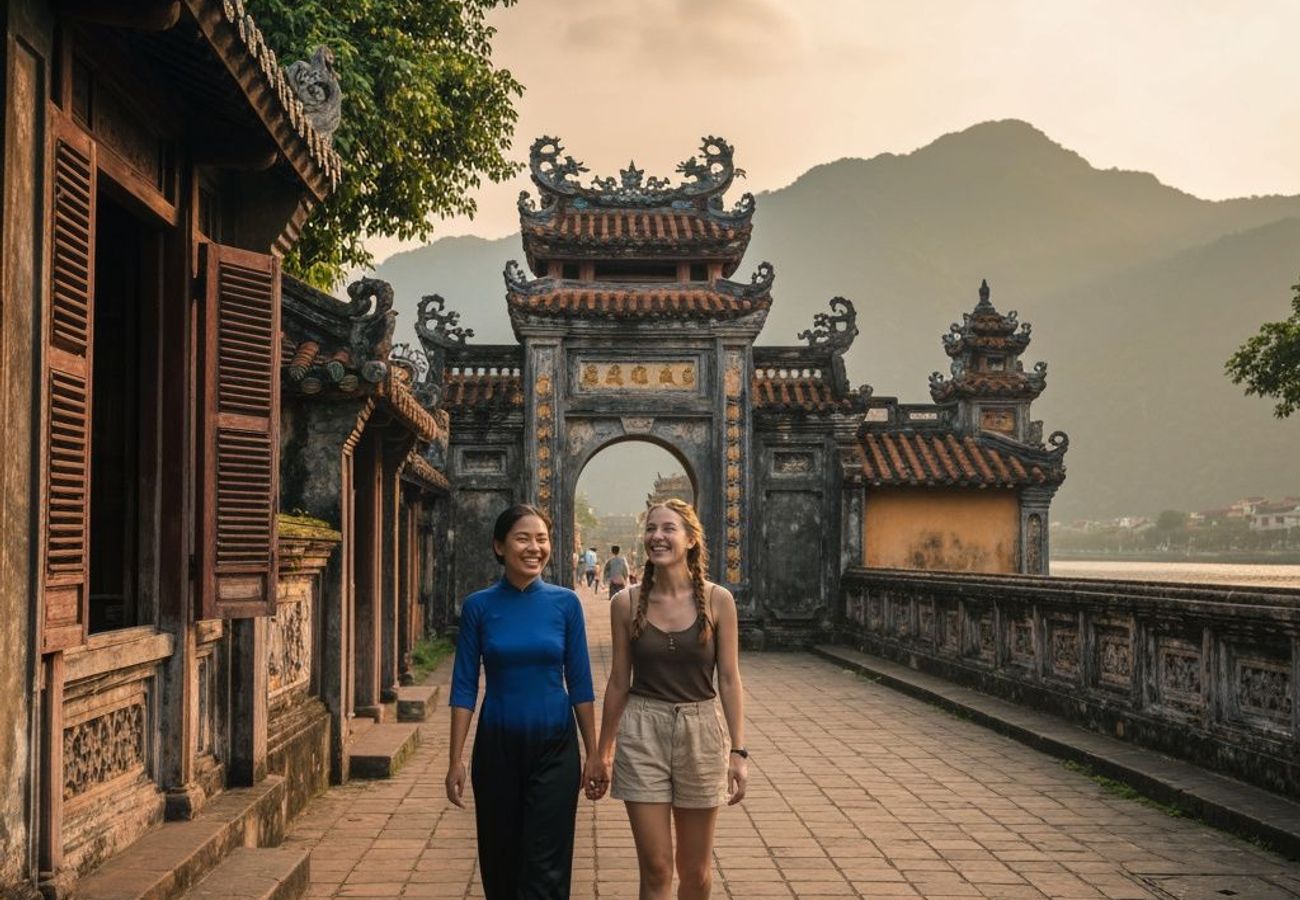
Image generated by AI
Vietnam's Ancient City Explodes onto the Global Stage
Hue, Vietnam's imperial capital, is no longer simply a heritage footnote on Southeast Asian tourism maps. With the launch of its comprehensive 2021-2030 development plan, this storied city is positioning itself as the region's definitive cultural and heritage powerhouse—and international travellers are beginning to take notice.
Thailand, China, South Korea, Japan, the Philippines, and Australia have all begun recognising Hue's rising prominence as a world-class destination. The city isn't banking on nostalgia alone. Instead, it's strategically blending imperial legacy with sustainable tourism infrastructure, experiential cultural programming, and environmentally responsible growth to attract affluent international visitors and extend their stays.
Reddit: "Hue feels like stepping into a living history book. The new development plan actually respects the heritage instead of commercialising it to death." — r/travel
From Static Monument to Dynamic Cultural Engine
For centuries, Hue has been celebrated for its Imperial Citadel, royal tombs, and the serene Perfume River. But recognition alone doesn't drive tourism growth—innovation does.
The city's revised development strategy signals a fundamental pivot: heritage is no longer treated as a preserved artifact to admire from behind velvet ropes. Instead, it's being weaponised as a dynamic economic asset capable of generating substantial visitor spending while maintaining cultural authenticity.
Aligned with Vietnam's Resolution 80, which prioritises culture, tourism, and creative industries as engines of national economic growth, Hue is leveraging its unique position. By 2030, the city aims to establish itself as the region's premier festival destination with a distinctly Vietnamese identity and unquestionable global cultural credentials.
The Green Tourism Imperative
What sets Hue apart from competing Asian destinations is its uncompromising commitment to environmental stewardship. The city is implementing several forward-thinking initiatives:
Bioclimatic standards for accommodations and tourism facilities ensure that hospitality infrastructure meets rigorous environmental criteria. The elimination of single-use plastics in night-time entertainment areas reduces waste without compromising visitor experience. Digital transformation accelerates operational efficiency while reducing the city's carbon footprint.
This isn't performative sustainability—it's strategic positioning. As wealthy travellers increasingly prioritise eco-conscious destinations, Hue's green credentials become a competitive advantage against rivals offering similar heritage experiences without environmental responsibility.
The result: higher-value visitors, longer stays, and elevated spending patterns that strengthen the local economy without overwhelming fragile cultural assets.
Four Strategic Tourism Zones: Designing Visitor Journeys
Hue has restructured its tourism landscape into four complementary zones, each designed to satisfy different traveller preferences and disperse visitor pressure away from the heritage core.
Heritage Core and Suburban Area
The Complex of Hue Monuments and Perfume River form the anchor. This zone prioritises conservation while simultaneously expanding cultural offerings: royal performing arts, traditional lifestyle experiences, garden houses, creative spaces, and revitalised night-time cultural activities designed to energise local commerce.
Lagoon and Coastal Landscape Zone
Positioned as an international-class marine tourism hub, this coastal corridor is upgrading infrastructure for cruise tourism and luxury superyacht operations—targeting affluent travellers seeking sophisticated waterborne experiences and exclusive maritime access.
Mountainous Region Tourism
Featuring pristine forests, streams, waterfalls, and ethnic cultural traditions, this zone pivots toward adventure tourism, wellness retreats, and nature-based experiences that attract different visitor demographics than heritage sightseers.
Rural and Agricultural Tourism
Community-driven initiatives, traditional villages, and local product experiences preserve rural heritage while generating sustainable livelihoods for residents—ensuring that tourism prosperity reaches beyond urban centres.
Together, these interconnected zones encourage visitors to explore comprehensively, extending stays and creating balanced economic distribution across the entire Hue region.
Infrastructure and Connectivity: Making Dreams Accessible
Hue has historically suffered from insufficient large tourism complexes and service infrastructure necessary for extended international stays. The revised plan directly addresses this constraint.
Transport connectivity emerges as the linchpin. Improved links between Phu Bai International Airport, Perfume River tourism wharves, and coastal corridors will dramatically enhance regional integration and accessibility, making Hue far more convenient for international travellers.
New commercial and service developments complement Hue's signature tourism brands—particularly Hue – Capital of Cuisine and its emerging identity as Vietnam's ao dai traditional costume capital. The city is orchestrating a transition from passive sightseeing destination into a dynamic cultural economy where heritage, creativity, hospitality, and commerce reinforce one another rather than compete.
Regional Context: Learning from Asia's Tourism Leaders
Hue exists within the Quang Tri-Hue-Da Nang corridor, one of Vietnam's five designated key tourism growth regions. National planning recognises Hue as one of only ten priority tourism centres, emphasising cultural industries and night-time economy development.
Hue isn't pioneering these strategies in isolation. The city is actively learning from regional leaders implementing similar approaches:
Thailand has advanced digital tourism applications and sustainable visitor management systems. China balances heritage preservation with aggressive international tourism promotion. South Korea leverages festival-led tourism and experiential cultural programmes. Japan excels at eco-conscious accommodation and nature tourism hubs. Singapore champions smart tourism and green infrastructure planning. Australia provides proven models for wellness, adventure, and nature-based tourism support.
By synthesising best practices from these regional examples, Hue aims to create an authentic yet internationally competitive tourism ecosystem that preserves Vietnamese cultural identity while meeting sophisticated traveller expectations.
The Vision Beyond 2030
Hue's adjusted development plan transcends infrastructure upgrades and facility expansions. It represents a fundamental reimagining of heritage as a catalyst for innovation, sustainability, and shared prosperity.
With heritage-led tourism zones, aggressive green initiatives, international knowledge partnerships, and deliberate infrastructure investment, Hue is positioning itself to remain not merely a cultural treasure frozen in time, but a dynamic, future-ready destination attracting sophisticated travellers from every corner of the globe.
The city isn't simply preserving its past—it's weaponising it for sustainable growth.
Vietnam's Hue is proving that heritage tourism and modern prosperity aren't mutually exclusive—they're inevitable partners.
Related Travel Guides
Disclaimer
This article is for informational and educational purposes only. It does not constitute legal, financial, or professional advice. While we strive to provide accurate and up-to-date information, travel policies, regulations, and conditions change rapidly. Always verify information with official sources before making travel decisions. Nomad Lawyer makes no representations about the accuracy, reliability, completeness, or suitability of the information provided. Readers should consult qualified professionals for advice specific to their circumstances. The views expressed in this article are those of the author and do not necessarily reflect the views of Nomad Lawyer.
Raushan Kumar
Founder & Lead Developer
Full-stack developer with 11+ years of experience and a passionate traveller. Raushan built Nomad Lawyer from the ground up with a vision to create the best travel and law experience on the web.
Learn more about our team →