
Spain Family Travel Expands Through Geoparks and Rural Escapes as US Arrivals Reach 3.9 Million

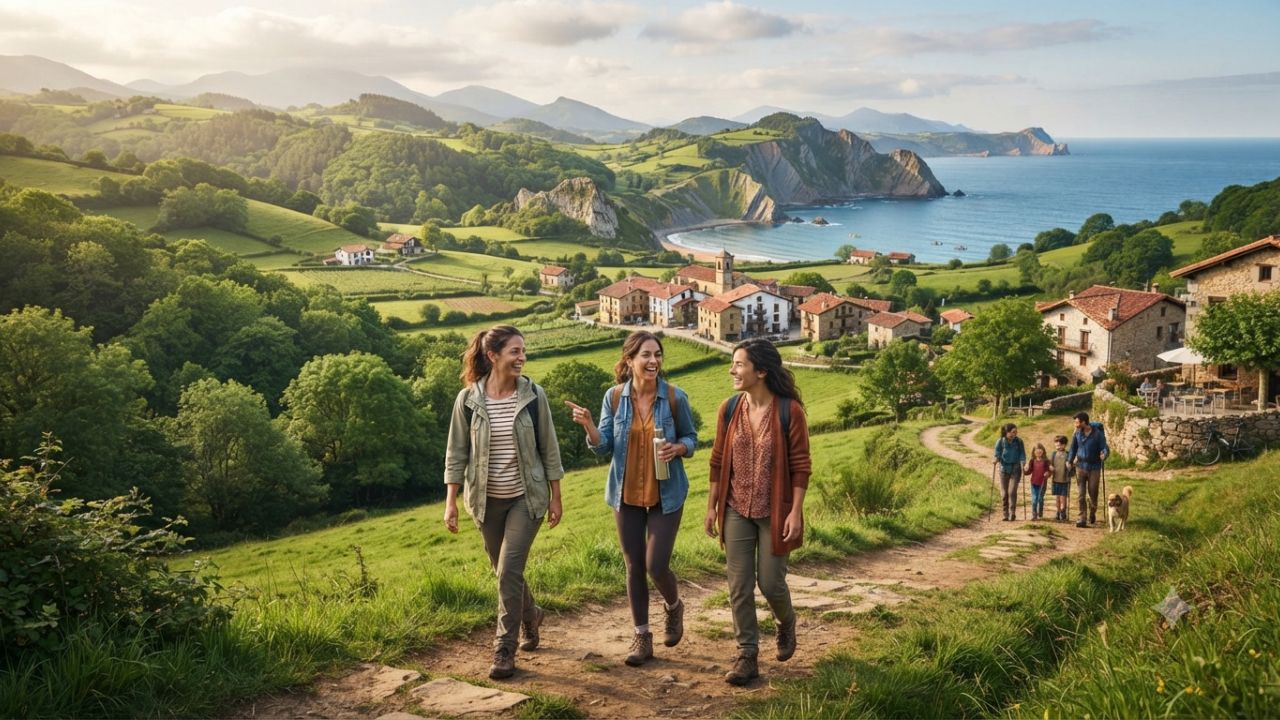
Spain expands family travel through UNESCO Geoparks and Biosphere Reserves as international arrivals reach 70.4 million through August 2026.
Spain welcomed nearly 70.4 million international tourists during the first eight months of 2026, marking a 5.4% year-over-year surge driven by expanding visitor volumes from the United States, Switzerland, the Netherlands, and Ireland. Official data shows families are increasingly pairing urban gateways with Spain's 20 UNESCO Global Geoparks, 50 Biosphere Reserves, and 16 National Parks.
[MADRID, Spain, October 5, 2026] — International tourist arrivals into Spain reached almost 70.4 million between January and August 2026, according to official data released by Spain’s National Statistics Institute (INE). The 5.4% annual increase reflects a broader strategic shift as long-haul and European family markets move beyond conventional coastal resorts into inland protected landscapes, mountain communities, and rural heritage trails.
In August 2026 alone, Spain recorded 12.3 million international arrivals. While coastal tourism remains substantial, high-growth source markets like the United States (+11.5% growth to 3.94 million visitors) and Switzerland (+10.9% growth to 1.64 million visitors) are choosing multi-region itineraries that combine urban cultural hubs with ecotourism experiences in biosphere reserves and geoparks.
| Key Source Market | International Visitors (Jan–Aug 2026) | Year-Over-Year Growth | Primary Family Travel Itinerary Pattern |
|---|---|---|---|
| United States | 3,941,308 visitors | +11.5% YoY surge | Urban gateways (Madrid/Barcelona/Bilbao) paired with rural nature. |
| Netherlands | 3,653,320 visitors | +2.8% YoY growth | Active cycling, walking trails, and protected greenway networks. |
| Ireland | 2,113,968 visitors | +0.2% YoY rise | Northern coastal itineraries via Bilbao to Urdaibai Biosphere Reserve. |
| Switzerland | 1,645,005 visitors | +10.9% YoY increase | Pyrenees adventure tourism, via ferrata climbing, and stargazing. |
Protected Landscapes Drive Geographic Dispersal Beyond Urban Hotspots
Spain’s national strategy for eco-friendly family travel leverages an extensive network of government-protected ecosystems. The official Spanish tourism board highlights nearly 20 territories designated within the UNESCO Global Geoparks Network, alongside more than 50 Biosphere Reserves, 16 National Parks, and over 130 Nature Reserves.
This geographical breadth allows international families to transition quickly from high-speed train hubs to outdoor activities including mountain trekking, kayaking, wildlife observation, caving, and astronomical observation. By distributing visitor foot traffic into lesser-known rural municipalities, Spain aims to alleviate pressure on major urban tourist centers while creating local employment in regional economies.
| Protected Landscape Category | Spanish Network Infrastructure | Key Activity for Family Itineraries |
|---|---|---|
| UNESCO Global Geoparks | Almost 20 designated territories | Geological interpretation, caving, and guided mountain walks. |
| UNESCO Biosphere Reserves | More than 50 reserves nationwide | Wildlife tracking, birdwatching, and marine conservation tours. |
| National Parks System | 16 protected national parks | Long-distance family hiking, photography, and nature education. |
| Nature Reserves Network | Over 130 state nature reserves | River kayaking, via ferrata climbing, and stargazing tours. |
US Visitors Pair City Gateways with Regional Nature Circuits
American travelers constitute Spain's fastest-growing long-haul family segment, contributing over 3.94 million arrivals through August 2026. Tour operators report that US families frequently structure trips around a city-and-countryside dual model:
- Madrid Entry: Urban museum visits in the capital are paired with countryside excursions across inland Castile and Extremadura.
- Barcelona Entry: City breaks in Catalonia are extended into the Pyrenees mountain valleys and regional geoparks.
- Bilbao Entry: Basque urban culture in Bilbao is combined with marine ecology and coastal forests in the Urdaibai Biosphere Reserve.
This flexible structure allows long-haul visitors to experience historical monuments, gastronomy, and outdoor adventure within a single multi-stop vacation.
Irish Families Discover Northern Spain via Bilbao and Urdaibai Reserve
Inbound visitors from Ireland reached 2,113,968 arrivals through August 2026, with an increasing proportion choosing northern coastal circuits over southern beach resorts. Bilbao serves as the main urban entry point for exploring the surrounding Basque Country before traveling into the Urdaibai Biosphere Reserve.
Urdaibai provides outdoor experiences including marine birdwatching, coastal cycling, forest hiking, and snorkeling around Izaro island. Public rail links connect Bilbao directly to the coastal town of Mundaka in a little over an hour, enabling families to travel without renting a private vehicle.
Dutch and Swiss Markets Target Active Outdoor and Adventure Circuits
European origin markets are demonstrating distinct preferences for specialized active travel across Spain's protected regions:
- Netherlands Market (3.65 million arrivals, +2.8%): Dutch families prioritize active cycling and hiking itineraries. Regions like Aragón, Castile and León, Asturias, and Extremadura offer extensive networks of converted greenways (vías verdes) and quiet rural roads connecting historic villages.
- Switzerland Market (1.64 million arrivals, +10.9%): Swiss visitors seek mountain adventure experiences. The Sobrarbe-Pyrenees UNESCO Global Geopark in Huesca provides guided caving, family bivouacking, and seasonal river kayaking. In Aragón, families participate in stargazing tours across Somontano and entry-level via ferrata routes (rated K1 and K2 for younger climbers) at Peñas Juntas in the Sierra and Canyons of Guara.
La Siberia Biosphere Reserve and Mythological Trails Engage Younger Travelers
Inland destinations are introducing specialized outdoor products tailored for families traveling with children:
- La Siberia Biosphere Reserve: Located across more than 20 municipalities in Badajoz province (Extremadura), this protected zone offers reservoir canoeing, river bathing at Peloche beach on the Guadiana, and autumn wildlife observation during the annual deer rut.
- Mythological Forest Trails: Regions across northern Spain are integrating local folklore into family hiking routes. Soria’s Bosque Mágico de la Fuente del Pino near Cañón del Río Lobos features over 100 hand-carved woodland figures along a 3-kilometer trail. Similar mythology trails operate in Asturias (Senda del Beyu Pen), Galicia (Monte Viso near Santiago de Compostela), and Cantabria (Mina Pepita and Mount Tejas).
Sustainable Transport and Accommodation Network Scale Up Impact
The expansion of family rural travel relies on integrated ground transportation. Spain’s high-speed rail network connects major airport gateways like Madrid, Barcelona, and Bilbao directly to regional capitals. Public transit routes, such as the Bilbao-to-Mundaka rail link, allow international visitors to reach biosphere reserves without private vehicles.
By staying in certified sustainable rural accommodations (casas rurales) and participating in guided eco-tours, international families contribute directly to rural preservation. Local community spending helps offset seasonal depopulation in mountain and agricultural regions.
Industry Impact Analysis: Operational Shifts for European Operators
The 5.4% increase in Spain's international tourist arrivals through August 2026 underlines a structural evolution in European destination packaging. Travel providers are increasingly shifting marketing dollars toward eco-certified regional tours, recognizing that long-haul US travelers (+11.5%) and high-spending Swiss visitors (+10.9%) seek authentic nature experiences away from overcrowded coastal resorts.
For regional hoteliers and adventure guides in places like Huesca, Cuenca, and Badajoz, this surge in family demand extends operating seasons beyond traditional summer peaks into spring and autumn shoulder months.
Why This Matters: Strategic Planning for International Families
For international travelers, Spain's combined city-and-geopark model provides an efficient way to structure family vacations. Families can land at primary airports in Madrid, Barcelona, or Bilbao and reach protected UNESCO landscapes via public transport or short regional drives within 60 to 90 minutes.
From a budgeting and experience perspective, choosing inland biosphere reserves like La Siberia or Urdaibai offers lower accommodation costs, reduced crowds, and interactive outdoor learning activities for children compared to conventional peak-season resort destinations.
Related Travel Guides
Central America Eco-Tourism Growth Trends and Sustainable Travel Destinations
Africa Tourism Growth Surges 4% in H1 2026 as South Africa and Rwanda Lead Coastal and Safari Demand
Zambia Rail Revival Boosts Regional Travel Across Zimbabwe, Tanzania, Malawi, and South Africa
Disclaimer
This article is for informational and educational purposes only. It does not constitute legal, financial, or professional advice. While we strive to provide accurate and up-to-date information, travel policies, regulations, and conditions change rapidly. Always verify information with official sources before making travel decisions. Nomad Lawyer makes no representations about the accuracy, reliability, completeness, or suitability of the information provided. Readers should consult qualified professionals for advice specific to their circumstances. The views expressed in this article are those of the author and do not necessarily reflect the views of Nomad Lawyer.
Raushan Kumar
Founder & Lead Developer
Full-stack developer with 11+ years of experience and a passionate traveller. Raushan built Nomad Lawyer from the ground up with a vision to create the best travel and law experience on the web.
Learn more about our team →