
Spain's Family Tourism Boom: Switzerland and Poland Drive Multigenerational Travel Across Catalonia and Valencia in 2026
Spain's family tourism market expands rapidly in 2026, seeing double-digit surges across Catalonia, Valencia, and Andalusia as European travelers embrace multigenerational holidays.

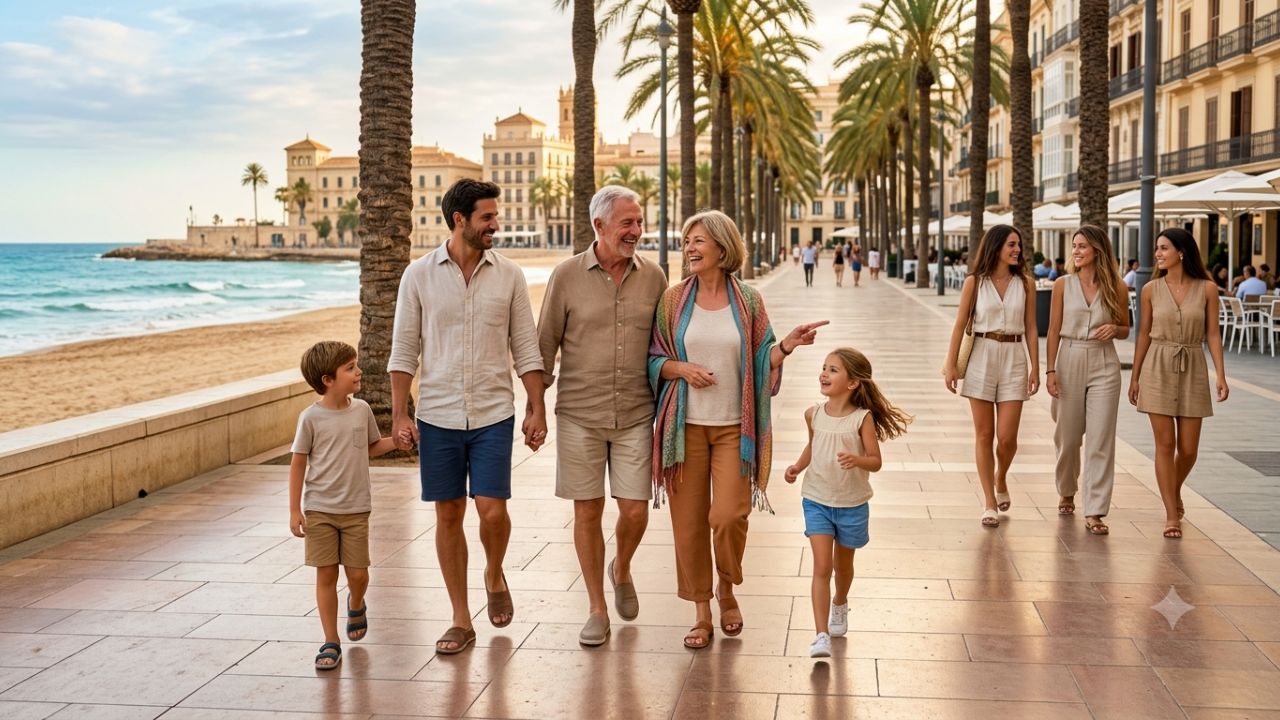
Spain's multigenerational family tourism surges in 2026, driven by record European demand across Catalonia, Valencia, Andalusia, and certified heritage routes.
Spain's visitor economy is witnessing a dynamic expansion across 2026, driven by a surge in multigenerational family holidays that pair classic Mediterranean beach relaxation with interactive science complexes, world-class theme parks, and certified inland heritage corridors. Supported by surging arrivals from core European markets—notably Switzerland, Poland, Belgium, and the Netherlands—regions such as Catalonia, the Region of Valencia, and Andalusia are transforming family travel into a cornerstone of regional tourism diversification. Rather than confining holidays to traditional all-inclusive beach compounds, international families are increasingly structuring multi-stop itineraries that accommodate children, teenagers, parents, and grandparents within a single journey.
The momentum is underpinned by record macroeconomic performance across Spain's national tourism sector. Official data from the National Statistics Institute (INE) shows that international travelers spent €99.892 billion in Spain between January and August 2026, an 8.0% year-on-year increase. During August alone, foreign tourist expenditure reached €17.838 billion, with average spending per traveler climbing to €1,455. As family groups allocate substantial portions of their budgets to accommodation (20.7%), curated vacation packages (18.5%), and specialized recreational activities (18.4%), Spanish destinations are reaping structural economic rewards by catering to diverse age demographics.
Macroeconomic Momentum: Spain's 2026 Inbound Travel Landscape
Spain's international tourism performance throughout the first eight months of 2026 provides a robust foundation for family-oriented travel infrastructure. Official FRONTUR figures reveal remarkable visitor volumes across Spain's primary family holiday regions.
                  ┌──────────────────────────────────────────────┐
                  │    Spain International Arrivals (Jan–Aug 2026)│
                  └──────────────────────┬───────────────────────┘
                                         │
         ┌───────────────────────────────┼───────────────────────────────┐
         ▼                               ▼                               ▼
┌──────────────────┐           ┌──────────────────┐           ┌──────────────────┐
│  Catalonia       │           │   Andalusia      │           │    Valencia      │
│ • 14,323,450 Arr.│           │ • 11,084,168 Arr.│           │ • 9,398,699 Arr. │
│ • +3.9% YoY      │           │ • +10.4% YoY     │           │ • +9.0% YoY      │
│ • 30% Family Sh. │           │ • Heritage & Sun │           │ • 36% Family Sh. │
└──────────────────┘           └──────────────────┘           └──────────────────┘
Between January and August 2026, Catalonia led nationwide arrivals with 14.32 million international tourists, followed by Andalusia with 11.08 million (reflecting double-digit 10.4% growth) and the Region of Valencia with 9.40 million (up 9.0%). Across these regions, dedicated family travel accounts for nearly one-third of total visitor demand, cementing Spain's reputation as Europe’s premier multigenerational destination.
| Spanish Autonomous Region | Jan–Aug 2026 Total Inbound Arrivals | Year-on-Year Growth | Reported Family Demand Share | Signature Family Appeal |
|---|---|---|---|---|
| Catalonia | 14,323,450 | +3.9% | 30% of total visitors (12.6M) | PortAventura World, Costa Daurada & CosmoCaixa |
| Andalusia | 11,084,168 | +10.4% | 6.8 million family tourists | Alhambra, Seville plazas & Costa del Sol beaches |
| Region of Valencia | 9,398,699 | +9.0% | 36% of regional demand | City of Arts and Sciences, Oceanogràfic & Peñíscola |
| Basque Country | Integrated regional count | Stable growth | 80% family recommendation rate | Guggenheim Bilbao, San Sebastián beaches & nature |
Regional Pillars of Spain's Family Tourism Surge
Spain's capacity to host diverse age groups relies on distinct regional strengths, combining modern entertainment infrastructure with protected natural environments.
                   ┌─────────────────────────────────────────────┐
                   │       Regional Family Tourism Pillars       │
                   └──────────────────────┬──────────────────────┘
                                          │
         ┌────────────────────────────────┼────────────────────────────────┐
         ▼                                ▼                                ▼
┌──────────────────┐            ┌──────────────────┐            ┌──────────────────┐
│ Catalonia        │            │ Region of        │            │ Andalusia &      │
│ • Costa Daurada  │            │ Valencia         │            │ Basque Country   │
│ • PortAventura   │            │ • Oceanogràfic   │            │ • Seville &      │
│ • Barcelona Core │            │ • Science Museum │              Granada Palaces  │
│ • Costa Brava    │            │ • Benidorm Coast │            │ • Atlantic Surf  │
└──────────────────┘            └──────────────────┘            └──────────────────┘
Catalonia: From Theme Parks to Mediterranean Coves
Catalonia recorded 12.6 million family visitors in recent annual measures, representing 30% of its total tourist volume. The region provides an ideal balance between urban culture and seaside entertainment:
- Theme Park Entertainment: On the Costa Daurada near Salou, PortAventura World and Ferrari Land serve as major family magnets, featuring high-speed roller coasters alongside dedicated children’s areas like SésamoAventura.
- Barcelona Urban Exploration: Families can combine Gaudí’s architectural masterworks (Sagrada Família, Park Güell) with interactive science at CosmoCaixa and marine exhibits at L'Aquàrium de Barcelona.
- Coastal Tranquility: Along the Costa Brava, family-friendly coastal walking trails (Camí de Ronda) and sheltered beaches in Tossa de Mar and Calella de Palafrugell provide calm swimming waters for younger children.
Region of Valencia: Interactive Science and Coastal Castles
Family travel represents 36% of all tourism demand in the Region of Valencia, reflecting substantial investment in educational and coastal infrastructure:
- The City of Arts and Sciences: Valencia’s futuristic architectural complex, designed by Santiago Calatrava, houses the Oceanogràfic (Europe’s largest aquarium showcasing over 500 marine species) and the Prince Felipe Science Museum, where hands-on exhibits engage school-age travelers.
- Costa Blanca Seaside Havens: Destinations like Peñíscola—dominated by its 13th-century Templar castle perched above wide sandy beaches—and Benidorm offer expansive Blue Flag beaches, water sports, and marine nature reserves.
Andalusia: Royal Palaces, Atlantic Sands, and White Villages
Welcoming 6.8 million family visitors annually, Andalusia is recognized as the preferred summer vacation choice for 26.3% of Spanish family travelers:
- Historic Immersion: Children and grandparents alike explore the storybook courtyards of the Alhambra in Granada and the royal Real Alcázar in Seville.
- Coastal Variety: The region spans the sheltered Mediterranean shores of Málaga and Marbella on the Costa del Sol to the wild Atlantic beaches and wind-surfing hubs of Tarifa and Cádiz.
The Basque Country: Nature, Gastronomy, and Green Coasts
Boasting an exceptional 80% recommendation rate among surveyed family travelers, northern Spain’s Basque Country offers a refreshing, milder alternative to Mediterranean summer heat:
- Urban Culture: Bilbao’s riverside Guggenheim Museum and San Sebastián’s iconic shell-shaped La Concha bay deliver sophisticated, walkable family city breaks.
- Active Nature: Inland natural parks like Urkiola and coastal biosphere reserves like Urdaibai offer gentle hiking, surfing schools, and authentic agritourism farm stays (caseríos).
Certified Inland Heritage: Expanding Beyond the Coastlines
A major driver of Spain's multigenerational appeal is the formal certification of inland towns through the Family Tourism Seal (Sello de Turismo Familiar). These designations highlight destinations that provide specialized family amenities, baby-changing infrastructure, pedestrianized historic zones, and age-adapted guided experiences.
| Certified Destination | Autonomous Community | Key Historic Family Attraction | Practical Family Experience |
|---|---|---|---|
| Ávila | Castile and León | Intact 11th-century medieval walls | Walkable parapets and knight-themed family audio guides |
| Burgos | Castile and León | UNESCO-listed Gothic Cathedral | Riverside promenade cycling & Museum of Human Evolution |
| Aranjuez | Community of Madrid | Royal Palace of Aranjuez & gardens | Heritage excursion aboard Madrid's historic Strawberry Train |
| Alcalá de Henares | Community of Madrid | Birthplace of Miguel de Cervantes | Themed Don Quixote street performances & literary scavenger hunts |
The historic Strawberry Train (Tren de la Fresa) exemplifies this trend: operating seasonally between Madrid and Aranjuez, the 19th-century wooden heritage carriages feature actors in period costume offering fresh strawberries, providing a memorable living history excursion.
Inbound European Markets: Connectivity from Switzerland, Poland, and the Low Countries
Spain's family tourism expansion is propelled by targeted transport links from key European countries seeking dependable sunshine, safety, and cultural richness:
                   ┌─────────────────────────────────────────────┐
                   │      European Corridors into Spain 2026     │
                   └──────────────────────┬──────────────────────┘
                                          │
         ┌────────────────────────────────┼────────────────────────────────┐
         ▼                                ▼                                ▼
┌──────────────────┐            ┌──────────────────┐            ┌──────────────────┐
│  Switzerland     │            │  Poland          │            │  Belgium &       │
│ • Zurich/Geneva  │            │ • Warsaw/Krakow  │            │  Netherlands     │
│ • High-Yield     │            │ • Expanding Air  │            │ • Camping Parks  │
│   Multigen Stays │              Frequencies      │            │ • Costa Brava    │
│ • Cultural Tours │            │ • Costa Daurada  │              Road Trips       │
└──────────────────┘            └──────────────────┘            └──────────────────┘
Switzerland: High-Value Multigenerational Escapes
Swiss travelers leverage direct, high-frequency air connections from Zurich, Geneva, and Basel into Barcelona, Valencia, Alicante, and Málaga. Swiss families frequently book premium villa rentals or boutique countryside hotels that accommodate three generations, pairing coastal downtime with cultural day trips.
Poland: Rapidly Growing Inbound Mediterranean Interest
Direct flights from Warsaw, Krakow, Katowice, and Gdansk have opened affordable Mediterranean holidays for Polish families. Catalan beach resorts on the Costa Daurada and Costa Blanca destinations near Alicante have seen significant Polish booking gains, supported by family-friendly hotel packages and accessible dining options.
Belgium and the Netherlands: Campings de Lujo and Coastal Road Trips
Dutch and Belgian holidaymakers maintain a strong affinity for Spain's northeastern coastline. Many Dutch families undertake scenic driving holidays down through France into Catalonia's Costa Brava, reserving extended stays in premium open-air holiday parks (campings de lujo) that feature private bungalows, waterparks, and children's activity clubs.
Economic Impact and Consumer Spending in 2026
The diversification into family-friendly tourism delivers substantial resilience to Spain's broader hospitality economy:
- Higher Expenditure per Travel Party: Multigenerational groups generate larger aggregate ticket sizes across hospitality, attractions, and local dining, spending an average of €1,455 per visitor in peak months.
- Extended Holiday Durations: Families traveling with children during summer or school breaks typically record longer average stays (7 to 14 days) than solo business or city-break tourists.
- Decentralized Regional Revenue: Certified inland heritage routes like Ávila and Aranjuez capture traveler expenditure outside overcrowded coastal zones, providing steady revenue for local artisans, family-run restaurants, and regional railways.
Practical Family Traveler Guide for Visiting Spain in 2026
To ensure a seamless multigenerational holiday across Spain, international travelers should consider these practical guidelines:
- Navigating Dining Schedules: Spanish restaurants traditionally open for lunch between 13:30 and 16:00, and for dinner from 20:30 onward. Families traveling with toddlers or young children should plan early afternoon meals, leverage early-evening tapas bars, or choose self-catering accommodations with kitchens.
- Renfe Child and Family Rail Discounts: Spain's high-speed rail operator (Renfe) offers substantial family discounts. Children under 4 travel free without occupying a seat, while children aged 4 to 13 receive a 40% discount on standard fares.
- Pre-Book Flagship Attraction Tickets: World-famous family sites—including PortAventura World, the Oceanogràfic, the Sagrada Família, and the Alhambra—enforce timed entry slots that frequently sell out weeks in advance during summer and school holidays.
- Opt for Walkable, Stroller-Friendly Bases: While historic medieval centers feature cobblestones, modern coastal promenades in Valencia, Salou, and Alicante offer wide, flat pedestrian pathways ideal for strollers and mobility aids.
Frequently Asked Questions
Which Spanish regions are most popular for family holidays in 2026?
Catalonia, the Region of Valencia, and Andalusia lead family travel demand, offering major theme parks, the Oceanogràfic aquarium, and historic royal palaces.
What is Spain's Family Tourism Seal?
The Family Tourism Seal (Sello de Turismo Familiar) is an official certification awarded to Spanish towns and hotels (such as Ávila, Burgos, and Aranjuez) that meet strict standards for family amenities and activities.
How much do international tourists spend on average in Spain?
According to official INE data from August 2026, foreign visitors spent an average of €1,455 per trip, with an average daily expenditure of €202 across accommodation, dining, and activities.
What is the historic Strawberry Train in Spain?
The Strawberry Train (Tren de la Fresa) is a heritage railway excursion from Madrid to the royal gardens of Aranjuez, featuring period wooden carriages and historic costumed staff.
Related Travel Guides
- Europe's Top 10 City Breaks for 2027: Sofia Outpaces Lisbon and Copenhagen in New Travel Rankings
- South Africa Declares New Grasslands National Park in Eastern Cape: A Landmark for Biodiversity Stewardship and Ecotourism
- Germany's Green Heart: Sustainable Bus and Rail Travel Explores Thuringia's UNESCO Heritage in 2026
Disclaimer
This article is for informational and educational purposes only. It does not constitute legal, financial, or professional advice. While we strive to provide accurate and up-to-date information, travel policies, regulations, and conditions change rapidly. Always verify information with official sources before making travel decisions. Nomad Lawyer makes no representations about the accuracy, reliability, completeness, or suitability of the information provided. Readers should consult qualified professionals for advice specific to their circumstances. The views expressed in this article are those of the author and do not necessarily reflect the views of Nomad Lawyer.
Kunal K Choudhary
Co-Founder & Contributor
A passionate traveller and tech enthusiast. Kunal contributes to the vision and growth of Nomad Lawyer, bringing fresh perspectives and driving the community forward.
Learn more about our team →