
Malta Leads Europe's Tourism Growth: WTTC Members Pledge $2 Billion at Valletta Global Summit 2026
Malta outperforms European tourism benchmarks with a 16.8% GDP contribution surge, prompting WTTC leaders to commit $2 billion in infrastructure and hospitality investment.

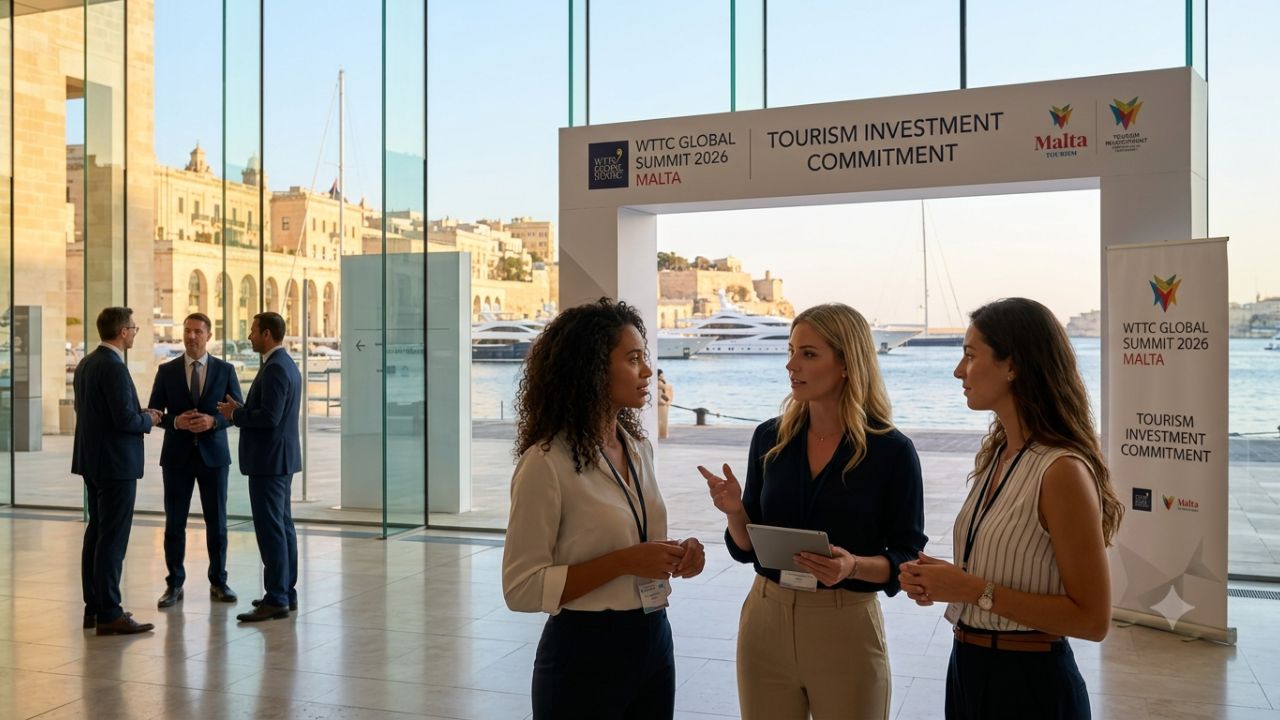
The 26th WTTC Global Summit in Valletta concludes with a historic $2 billion private-sector investment pledge as Malta outperforms Europe in tourism economic growth.
Malta has cemented its position as Europe’s premier tourism growth engine after private-sector leaders at the World Travel & Tourism Council (WTTC) Global Summit committed an unprecedented US$2 billion in capital investment to accelerate the Mediterranean island nation's next era of development. Announced in Malta’s historic capital of Valletta before an international assembly of more than 1,000 delegates and 200 chief executives, the funding package arrives on the heels of record-breaking economic indicators. According to the WTTC’s latest Economic Impact Research, Malta logged an astonishing 16.8% annual expansion in travel and tourism’s contribution to national gross domestic product (GDP) in 2025—outperforming the broader European average of 2.6% by more than sixfold.
The collective US$2 billion commitment reflects soaring global investor confidence in Malta's progressive public-private partnership framework, sustainable hospitality policies, and high-yield visitor strategy. With the sector forecast to generate approximately US$4.9 billion for the national economy in 2026—accounting for nearly 17% of total economic output and supporting more than one in five jobs across the archipelago—the capital injection will finance comprehensive upgrades across civil infrastructure, sustainable boutique lodging, multimodal transit links, and cultural heritage conservation.
Breaking Down the Numbers: Malta Outpaces the European Continent
While much of Western Europe grappled with sluggish consumer spending, air traffic bottlenecks, and modest post-pandemic recovery rates, Malta emerged as a standout Mediterranean performer. WTTC research demonstrates that Malta did not merely grow; it decisively led the European Union across every primary macroeconomic tourism metric.
                      ┌──────────────────────────────────────────────┐
                      │    2025 European Tourism GDP Growth Rates    │
                      └──────────────────────┬───────────────────────┘
                                             │
             ┌───────────────────────────────┼───────────────────────────────┐
             ▼                               ▼                               ▼
    ┌──────────────────┐           ┌──────────────────┐           ┌──────────────────┐
    │   Malta (#1)     │           │    EU Average    │           │  European Total  │
    │     +16.8%       │           │      +2.4%       │           │      +2.6%       │
    │  Record Growth   │           │   Modest Gain    │           │ Subdued Recovery │
    └──────────────────┘           └──────────────────┘           └──────────────────┘
The contrast between Malta’s performance and the wider continental benchmark highlights the structural shift toward high-value, culturally immersive island tourism:
- GDP Contribution Surge: Travel and tourism’s direct and indirect economic contribution in Malta expanded by 16.8% in 2025, representing the highest growth trajectory among all European economies.
- International Visitor Spending (Visitor Exports): International visitor expenditure in Malta soared by 16.1% year-on-year. This represented the single highest growth rate recorded within the 27 EU member states, and the second highest across the entire European continent. In contrast, the EU average visitor export increase stalled at 2.4%, while Europe as a whole grew by only 1.3%.
- Economic Scale in 2026: WTTC projections estimate Malta’s tourism economy will attain a total valuation of US$4.9 billion in 2026, comprising 16.9% of the nation’s entire GDP.
- Employment Multiplier: The visitor economy sustains more than 21% of the national workforce, generating vital employment opportunities not only in hotels and resorts, but across logistics, culinary arts, maritime transport, and heritage restoration.
| Economic Indicator | Malta Performance (2025/2026) | EU Average | Wider European Average | Comparative Margin |
|---|---|---|---|---|
| Tourism GDP Growth (2025) | +16.8% | +2.4% | +2.6% | +14.2% above Europe |
| Visitor Export Growth (2025) | +16.1% | +2.4% | +1.3% | +14.8% above Europe |
| Projected 2026 Sector Value | US$4.9 Billion | N/A | N/A | 16.9% of National GDP |
| Workforce Dependency | >20% of Total Jobs | ~9.8% | ~10.1% | More than double EU avg |
The 26th WTTC Global Summit in Valletta: Setting the "FUTU[RE]SET" Agenda
The investment pledge formed the centerpiece of the 26th WTTC Global Summit, hosted within Valletta’s Mediterranean Conference Centre under the overarching theme FUTU[RE]SET. The gathering brought together aviation chiefs, hospitality titans, sovereign wealth funds, and tourism ministers to establish a long-term roadmap balancing commercial expansion with environmental carrying capacity.
┌────────────────────────────────────────────────────────────────────────┐
│             WTTC Summit 2026: Capital Deployment Architecture          │
├────────────────────────────────────────────────────────────────────────┤
│                                                                        │
│   US$2 Billion Private-Sector Commitment                               │
│   └──> Channeled via Coordinated Government-Investor Taskforce         │
│                                                                        │
│          ┌────────────────────┬────────────────────┐                   │
│          ▼                    ▼                    ▼                   │
│   Infrastructure &     Boutique Heritage    Green Maritime &           │
│   Connectivity         Hospitality          Digital Systems            │
│   • Airport capacity   • Historic palazzos  • Electric harbor ferries  │
│   • EV public transit  • Gozo eco-villas    • Smart visitor routing    │
│   • Water desalination • Luxury wellness    • Real-time queue mgmt     │
│                                                                        │
└────────────────────────────────────────────────────────────────────────┘
Addressing the summit, Manfredi Lefebvre, Chairman of the WTTC, underscored Malta’s transformation from a traditional sun-and-sea charter hub into an international investment magnet:
"This commitment reflects the confidence our Members have in the Government of Malta and the country’s extraordinary potential. Bringing global investors together in Valletta provides a unique opportunity to translate dialogue into action, and these commitments demonstrate that Malta is firmly on the radar of the international Travel & Tourism investment community. Investment is fundamental to the future of our sector. By continuing to strengthen infrastructure, connectivity and the visitor experience, Malta can build on its remarkable tourism success while creating lasting economic opportunity for its people."
Echoing these remarks, Gloria Guevara, President & CEO of the WTTC, highlighted the institutional leadership behind the island's expansion:
"This investment commitment is a powerful vote of confidence in Malta’s Government and the country’s future as a leading Travel & Tourism destination. Our Members are putting capital behind their belief in the country’s potential, recognising the strength of its tourism economy and the opportunities that lie ahead. The Government of Malta has demonstrated real leadership through its commitment to public-private collaboration. Sustained investment in Travel & Tourism supports jobs, drives innovation, strengthens infrastructure and enhances destination competitiveness."
Strategic Capital Allocation: Where Will the US$2 Billion Be Deployed?
Rather than channeling funds into generic volume-driven mass developments, the US$2 billion private-sector initiative is structured around quality, heritage preservation, and spatial dispersal across Malta, Gozo, and Comino.
┌────────────────────────────────────────────────────────────────────────┐
│           Key Strategic Priority Pillars for Capital Investment        │
├───────┬──────────────────────┬─────────────────────────────────────────┤
│ Pillar│ Investment Sector    │ Target Deliverables & Project Scope     │
├───────┼──────────────────────┼─────────────────────────────────────────┤
│ 1     │ Aviation & Terminal  │ Malta International Airport (MLA)       │
│       │ Modernization        │ Apron expansion, VIP business terminals │
├───────┼──────────────────────┼─────────────────────────────────────────┤
│ 2     │ Heritage Lodging &   │ Adaptive reuse of 16th-century palazzos │
│       │ Eco-Luxury           │ in Valletta, Mdina, and Three Cities    │
├───────┼──────────────────────┼─────────────────────────────────────────┤
│ 3     │ Clean Maritime       │ Zero-emission catamarans connecting     │
│       │ Transit              │ Grand Harbour, Sliema, and Mgarr (Gozo) │
├───────┼──────────────────────┼─────────────────────────────────────────┤
│ 4     │ Gozo Eco-Island      │ Agro-tourism estates, wellness retreats,│
│       │ Diversification      │ and certified carbon-neutral boutique   │
├───────┼──────────────────────┼─────────────────────────────────────────┤
│ 5     │ Smart Tourism AI     │ Real-time crowd routing at UNESCO sites │
│       │ & Digital Heritage   │ (Megalythic Temples, St. John's Co-Cathedral)│
└───────┴──────────────────────┴─────────────────────────────────────────┘
1. Aviation Connectivity and Terminal Modernization
Malta International Airport (MLA) is undergoing phased terminal expansions to handle premium long-haul arrivals and expanded direct connections to North America, the Gulf States, and key Asian commercial centers. Investment tranches will support sustainable baggage automation, additional aircraft stands capable of accommodating modern widebody airliners, and dedicated executive aviation lounges for business travelers and superyacht crews.
2. Adaptive Reuse of Historic Palazzos and Five-Star Lodging
Rather than sprawling beachfront concrete construction, institutional investors are targeting boutique luxury hospitality through the restoration of Baroque architectural assets. Historic palazzos in Valletta, the walled medieval citadel of Mdina, and the historic maritime alleys of the Three Cities (Vittoriosa, Senglea, and Cospicua) are being carefully transformed into ultra-luxury boutique hotels, Michelin-starred culinary spaces, and private members' clubs.
3. Decarbonized Harbor Transit and Island Ferries
A portion of the committed private capital is allocated toward naval electrification. Fast electric passenger catamarans will connect Valletta's Grand Harbour with Sliema, St. Julian's, and the sister island of Gozo, significantly reducing overland highway congestion and vehicle emissions along coastal routes.
4. Positioning Gozo as an Eco-Luxury Sanctuary
Malta's sister island of Gozo is central to the country's spatial decongestion strategy. Private investment will finance secluded wellness sanctuaries, restorative rural farmhouse estates, organic olive and wine estates, and carbon-neutral dive resorts, appealing to travelers seeking tranquility, nature-based trekking, and traditional Mediterranean village culture.
Challenges Ahead: Managing Carrying Capacity and Quality of Life
Despite the overwhelmingly positive economic data, industry observers and local planners at the Valletta summit acknowledged critical operational challenges that must be addressed as capital begins flowing:
- Infrastructure Pressure and Water Security: As a densely populated archipelago with limited natural freshwater resources, expanding tourist volume places intense demands on reverse-osmosis desalination plants and power grids. Investors are required to build on-site water recycling, graywater treatment, and rooftop solar installations across all new developments.
- Preserving Urban Character and Housing Balance: Rapid growth in tourism short-term rentals has placed upward pressure on residential housing costs in central Valletta and Cottonera. Clear zoning safeguards and incentives for long-term residential preservation are being implemented alongside hotel licenses.
- Shifting from Headcount to Yield: Government and tourism authorities reiterated that the ultimate measure of success is no longer raw arrival volume, but length of stay, average daily spend, and cultural respect. The US$2 billion fund specifically aims to attract high-yield travelers who contribute meaningfully to the local artisan, cultural, and gastronomic ecosystems.
Essential Guidance for Travelers Visiting Malta in 2026 and Beyond
With substantial upgrades rolling out across the archipelago, visitors planning a journey to Malta should take note of several key practical tips:
- Explore Beyond the Summer High Season: Malta enjoys more than 300 days of sunshine per year. Visiting between October and April provides mild Mediterranean weather (18°C–24°C), uncrowded UNESCO World Heritage sites, and access to vibrant cultural festivals like the Three Palaces Festival and Valletta Baroque Festival.
- Pre-Book Major Heritage Monuments: High-demand cultural landmarks—most notably the subterranean prehistoric Ħal Saflieni Hypogeum and the Caravaggio viewing halls inside St. John’s Co-Cathedral—enforce strict hourly visitor limits. Booking tickets online 4 to 8 weeks in advance is highly recommended.
- Take Advantage of Maritime Ferry Transit: Avoid rush-hour traffic between Valletta and the northern suburbs by utilizing fast, scenic harbor ferries that run regular departures between Sliema and Marsamxett Harbour, or Valletta Waterfront and the Three Cities.
- Dedicate Dedicated Time to Gozo: Instead of a rushed single-day excursion, spend at least two to three nights on Gozo to experience the Ggantija Temples, the salt pans of Qbajjar, and world-class scuba diving at the Blue Hole in Dwejra.
Frequently Asked Questions
What was announced at the WTTC Global Summit in Valletta?
Private-sector members of the World Travel & Tourism Council pledged US$2 billion in capital investment to support Malta's tourism infrastructure, accommodation, transport connectivity, and visitor experiences.
How much did Malta's tourism GDP grow in 2025?
Malta recorded a 16.8% annual increase in travel and tourism's GDP contribution in 2025, far outperforming the European continent average of 2.6% and leading all European economies.
How much will tourism contribute to Malta's economy in 2026?
According to WTTC research, Malta’s travel and tourism sector is forecast to reach approximately US$4.9 billion in 2026, accounting for 16.9% of the country's total gross domestic product.
What are the main areas targeted by the US$2 billion investment?
The investment will target airport capacity upgrades, boutique hotel conversions of historic palazzos, zero-emission harbor ferries, Gozo eco-luxury resorts, and digital heritage management systems.
Related Travel Guides
- Madrid Overtakes Barcelona in European City Break Rankings: The Ultimate Trip-Maxxing Destinations for 2026
- Saudi Arabia, Egypt, and Jordan Forge Red Sea Yachting Tourism Pact: NEOM, Sharm El-Sheikh, and Aqaba Unite
- India, Nepal, and Bhutan Form Himalayan Green Tourism Circuit: Unified Trekking Pass and Mountain Safety Alliance
Disclaimer
This article is for informational and educational purposes only. It does not constitute legal, financial, or professional advice. While we strive to provide accurate and up-to-date information, travel policies, regulations, and conditions change rapidly. Always verify information with official sources before making travel decisions. Nomad Lawyer makes no representations about the accuracy, reliability, completeness, or suitability of the information provided. Readers should consult qualified professionals for advice specific to their circumstances. The views expressed in this article are those of the author and do not necessarily reflect the views of Nomad Lawyer.
Naina Thakur
Contributor & Travel Specialist
Travel enthusiast and legal writer covering visa regulations, responsible tourism, and cultural journeys across global destinations.
Learn more about our team →