
Saudi Arabia, Egypt, and Jordan Forge Red Sea Yachting Tourism Pact: NEOM, Sharm El-Sheikh, and Aqaba Unite
Saudi Arabia, Egypt, and Jordan establish a joint Red Sea yachting corridor, connecting NEOM, Sharm El-Sheikh, and Aqaba with single digital permits and biometric manifests.

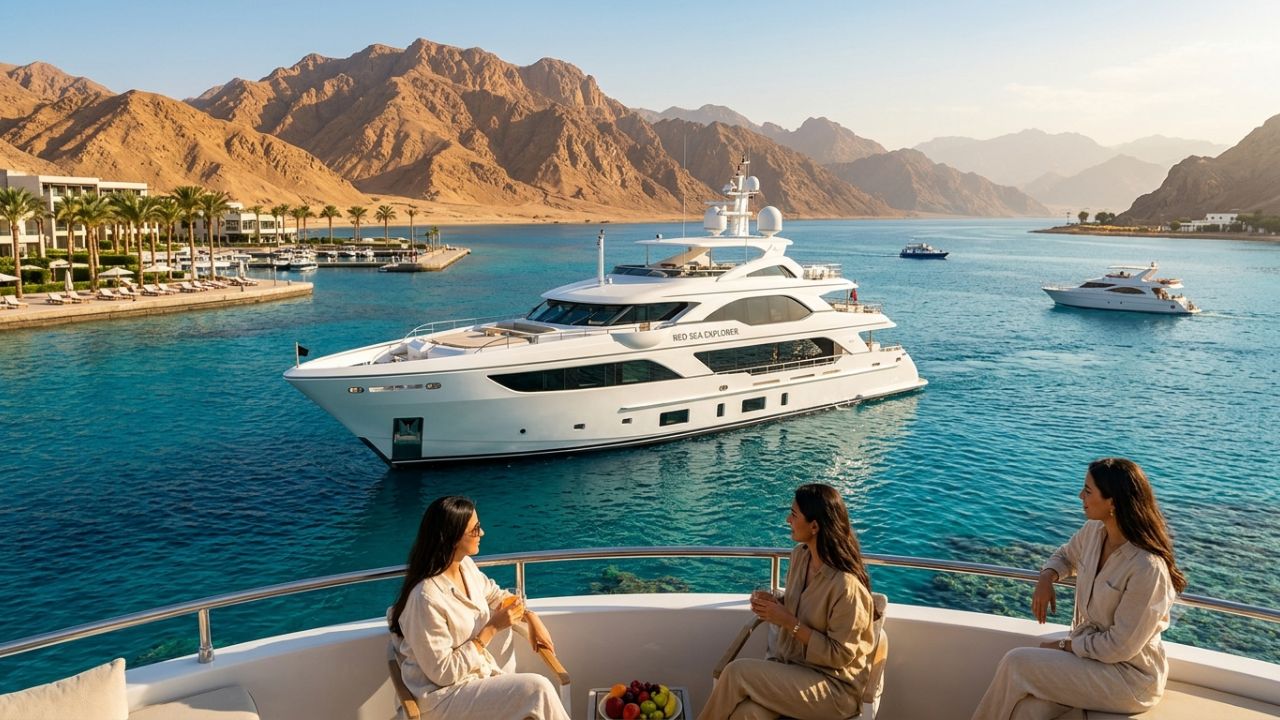
The Red Sea Eco-Yachting and Coastal Tourism Protocol establishes a unified maritime corridor connecting Saudi Arabia's NEOM, Egypt's Sharm El-Sheikh, and Jordan's Aqaba starting November 2026.
In a landmark geopolitical and maritime development for Middle Eastern leisure travel, Saudi Arabia, Egypt, and Jordan have officially entered into a trilateral Red Sea coastal tourism pact, establishing a seamless maritime corridor across the northern Red Sea and the Gulf of Aqaba. The milestone agreement—formalized under the Red Sea Eco-Yachting and Coastal Tourism Protocol—unites the visionary luxury developments of Saudi Arabia's NEOM region, the world-renowned coral ecosystems and resorts of Egypt's Sharm El-Sheikh, and Jordan's strategic gateway port of Aqaba. Scheduled to take effect on 1 November 2026, the tripartite framework introduces unified navigation fees, synchronized scuba diving environmental safety regulations, an integrated single-window digital permit for superyachts and boutique cruise lines, and real-time biometric manifest exchanges among naval patrol authorities.
The initiative transforms one of the world's most ecologically diverse and historically rich marine basins into an interconnected luxury sailing sanctuary. By dismantling longstanding administrative bottlenecks that previously forced yacht captains, charter brokers, and cruise operators to negotiate three disjointed maritime bureaucracies, the pact creates a premier corridor capable of rivaling the Western Mediterranean, the Adriatic, and the Caribbean. For international high-net-worth travelers, diving enthusiasts, and adventure seekers, the agreement unlocks multi-destination nautical itineraries that weave together pristine marine sanctuaries, world-class marinas, and UNESCO-inscribed desert wonders within a single voyage.
The Red Sea Maritime Triangle: Three Hubs, One Shared Vision
The northern Red Sea and Gulf of Aqaba form a unique geographical nexus where three sovereign nations converge within dozens of nautical miles of each other. Despite their geographic proximity, cruising between these three coastal destinations historically required duplicate clearances, distinct port dues, separate cruising permits, and prolonged customs inspections.
                      ┌──────────────────────────────────────────────┐
                      │    The Red Sea Maritime Tourism Triangle     │
                      └──────────────────────┬───────────────────────┘
                                             │
             ┌───────────────────────────────┼───────────────────────────────┐
             ▼                               ▼                               ▼
    ┌──────────────────┐           ┌──────────────────┐           ┌──────────────────┐
    │  NEOM (Saudi)    │           │ Sharm El-Sheikh  │           │   Aqaba (Jordan) │
    │ • Sindalah Marina│           │     (Egypt)      │           │ • Gateway Port   │
    │ • Magna Resorts  │           │ • Ras Mohammed   │           │ • Petra Links    │
    │ • Ultra-Luxury   │           │ • Tiran Strait   │           │ • Wadi Rum Camps │
    └──────────────────┘           └──────────────────┘           └──────────────────┘
The new protocol creates a unified operational architecture designed to leverage the distinct competitive advantages of each destination:
- Saudi Arabia (NEOM & Gulf of Aqaba Coast): Under Vision 2030 and guided by the Saudi Red Sea Authority (SRSA), the Kingdom is investing billions of dollars to position its northwest coastline as a premier luxury yachting hub. Flagship destinations such as Sindalah Island—featuring an 86-berth ultra-luxury marina designed by Luca Dini—and the Magna coastal development offer world-class berths, private golf clubs, and zero-carbon hospitality.
- Egypt (Sharm El-Sheikh & South Sinai): Operating as the region's seasoned marine tourism powerhouse, Sharm El-Sheikh boasts an established hospitality ecosystem of five-star resorts, accredited diving operations, and globally recognized protected areas. The marine reserves of Ras Mohammed National Park and the Straits of Tiran are celebrated for their vertical reef drop-offs, warm currents, and teeming pelagic wildlife.
- Jordan (Aqaba & Marine Reserve): As Jordan's sole maritime outlet, the coastal city of Aqaba combines tranquil sheltered anchorages with vibrant coral reefs, including the Cedar Pride shipwreck and underwater military museum. Crucially, Aqaba serves as the logistical springboard for excursions into southern Jordan's desert marvels: the ancient Nabataean rock city of Petra and the crimson dunes of Wadi Rum.
| Participating Hub | Country | Primary Strategic Role | Key Marine & Terrestrial Highlights |
|---|---|---|---|
| NEOM & Sindalah | Saudi Arabia | Ultra-luxury berthing, mega-yacht facilities & eco-resorts | 86-berth marina, Magna coastline, Jaumur marina village & pristine outer reefs |
| Sharm El-Sheikh | Egypt | High-volume diving tourism, luxury resorts & marine parks | Ras Mohammed National Park, Straits of Tiran, Jackson Reef & liveaboard routes |
| Aqaba | Jordan | Archaeological springboard, cultural expeditions & diving | Aqaba Marine Reserve, Cedar Pride wreck, direct rail/road links to Petra & Wadi Rum |
Single-Window Digital Permits: Eliminating Bureaucracy on the Water
The cornerstone of the 1 November 2026 protocol is the launch of the Red Sea Unified Maritime Portal (RS-UMP), an integrated digital clearinghouse for private yachts, luxury charters, and boutique expedition cruise vessels.
┌────────────────────────────────────────────────────────────────────────┐
│             Red Sea Unified Maritime Clearance Architecture            │
├────────────────────────────────────────────────────────────────────────┤
│                                                                        │
│   Yacht Operator / Charter Broker                                      │
│   └──> Submits Single Dossier via RS-UMP Portal (48-72h prior)         │
│        • Vessel specs & insurance                                      │
│        • Digital crew/guest manifests                                  │
│        • Biometric data uploads                                        │
│                                                                        │
│                                  │                                     │
│                                  ▼                                     │
│   Synchronized Tri-Nation Processing Hub                               │
│   ├──> Saudi Border Guard & Saudi Red Sea Authority (SRSA)             │
│   ├──> Egyptian Maritime Transport Sector & Coast Guard                │
│   └──> Aqaba Special Economic Zone Authority (ASEZA)                   │
│                                                                        │
│                                  │                                     │
│                                  ▼                                     │
│   Issuance: Single-Window Red Sea Maritime Pass (RSMP)                 │
│   • Harmonized transit fees & standardized navigational clearance      │
│   • Biometric manifest pre-clearance across participating ports        │
│                                                                        │
└────────────────────────────────────────────────────────────────────────┘
Historically, private yachts voyaging from Sharm El-Sheikh to Aqaba or cruising south along Saudi Arabia’s Tabuk coast faced separate immigration queues, varied maritime agency commissions, and conflicting customs declarations at each port of call. Under the unified system:
- Pre-Voyage Digital Verification: Vessel captains or appointed yacht agents register ship specifications, insurance, skipper credentials, and passenger manifests into the central RS-UMP system once, at least 48 to 72 hours prior to departure.
- Unified Navigation Dues: Rather than paying erratic local anchorage and fairway charges, qualifying vessels pay a harmonized regional navigation tariff. This fee structure scales transparently based on gross tonnage and length overall (LOA), eliminating surprise fees.
- Multi-Port Recognition: Once a vessel receives its digital clearance token at its initial port of entry (whether Sindalah, Sharm El-Sheikh, or Aqaba), it can transit between participating maritime zones without filing duplicative foreign-entry applications.
- Preserved Sovereign Controls: While the clearance process is consolidated, sovereign customs and national immigration criteria remain intact. Passengers and crew still require valid visas or electronic travel authorizations for each country, but these are tied digitally to the manifest for frictionless processing.
Biometric Manifest Exchanges and Seamless Naval Coordination
To resolve maritime security sensitivities in the strategically critical Gulf of Aqaba, the protocol incorporates a secure, real-time data-exchange framework among the naval patrol and border agencies of Saudi Arabia, Egypt, and Jordan.
Using encrypted digital networks, coast guard patrol vessels and harbor master commands will share biometric passenger manifests in real time. When an authorized yacht crosses maritime boundary lines:
- Automated Vessel Tracking: Participating vessels equipped with Class A Automatic Identification System (AIS) transponders will be tracked seamlessly across cross-border radar zones without requiring repeated radio halts.
- Elimination of Repetitive Boarding: Border patrols will minimize physical boarding and inspections for qualifying vessels, reserving physical checks for randomized safety audits or irregular alerts.
- Rapid Onshore Disembarkation: Guests docking at marinas will experience streamlined disembarkation, as biometric identity verification will be pre-matched before the yacht ties up at the dock.
This modern technological integration removes hours of maritime idling, allowing charter itineraries to maintain precise schedules and offering charter guests uninterrupted relaxation.
Harmonizing Scuba Diving and Marine Sanctuary Conservation
The Gulf of Aqaba houses some of the most resilient coral reefs on Earth. Marine biologists have demonstrated that northern Red Sea corals exhibit extraordinary thermal resilience against rising ocean temperatures, earning them global status as an indispensable marine refuge.
Recognizing the fragility of this aquatic ecosystem, the trilateral pact balances leisure yachting expansion with strict environmental stewardship:
┌────────────────────────────────────────────────────────────────────────┐
│             Harmonized Red Sea Marine Conservation Standards           │
├────────────────────────────────────────────────────────────────────────┤
│ 1. Zero Direct Anchoring: Mandatory mooring buoys in sensitive zones   │
│ 2. Unified Diving Licensing: Standardized divemaster-to-diver ratios   │
│ 3. Blackwater Discharge Bans: Zero-tolerance holding tank enforcement  │
│ 4. Shared Scientific Patrols: Cross-border monitoring of coral health  │
│ 5. Sound & Light Restrictions: Nighttime dampening in turtle habitats  │
└────────────────────────────────────────────────────────────────────────┘
Under the protocol, diving operators and private liveaboard yachts will operate under unified environmental regulations:
- Mandatory Mooring Systems: Direct anchoring in coral fields is strictly prohibited across all three territorial zones. The pact mandates the installation and shared maintenance of heavy-duty, eco-friendly mooring buoys across high-traffic diving locations in Ras Mohammed, the Tiran Straits, and the Aqaba Marine Park.
- Standardized Diver Certifications & Safety Ratios: Liveaboard operators and shore dive centers will recognize standardized minimum diving qualification thresholds and enforce consistent guide-to-diver ratios (maximum 6 divers per certified divemaster in protected marine zones).
- Zero Discharge Standards: Strict holding tank rules and blackwater pump-out protocols will be enforced at all designated marinas, preventing greywater and blackwater pollution from spoiling pristine coastal waters.
- Cross-Border Marine Science: Researchers from Egypt’s Red Sea Protected Areas, Jordan's Marine Science Station, and Saudi Arabia's King Abdullah University of Science and Technology (KAUST) will collaborate on transboundary coral monitoring and marine megafauna conservation (including dugongs, sea turtles, and whale sharks).
Crafting the Ultimate 7-Day Northern Red Sea Yacht Itinerary
The implementation of the Red Sea protocol makes seamless multi-country yacht charters commercially viable for the first time. Below is an example of an elite 7-day sailing itinerary unlocked by the new agreement:
┌────────────────────────────────────────────────────────────────────────┐
│             7-Day Tri-Nation Red Sea Yachting Master Itinerary         │
├───────┬──────────────────────┬─────────────────────────────────────────┤
│ Day   │ Port / Destination   │ Highlight Experiences                   │
├───────┼──────────────────────┼─────────────────────────────────────────┤
│ Day 1 │ Sharm El-Sheikh      │ Embarkation; sunset cruise across Sinai │
│       │ (Egypt)              │ coastline; private chef dinner onboard  │
├───────┼──────────────────────┼─────────────────────────────────────────┤
│ Day 2 │ Ras Mohammed &       │ Morning drift diving at Shark & Yolanda │
│       │ Straits of Tiran     │ Reefs; transit through Jackson Reef     │
├───────┼──────────────────────┼─────────────────────────────────────────┤
│ Day 3 │ Sindalah Island      │ Digital entry into Saudi waters; dock   │
│       │ (NEOM, Saudi Arabia) │ at Luca Dini marina; Michelin dining    │
├───────┼──────────────────────┼─────────────────────────────────────────┤
│ Day 4 │ Magna Coastline      │ Exploring hidden coves of Gulf of Aqaba;│
│       │ (Saudi Arabia)       │ seabobbing & private beach club access  │
├───────┼──────────────────────┼─────────────────────────────────────────┤
│ Day 5 │ Aqaba Anchorage      │ Seamless transit into Jordan; afternoon │
│       │ (Jordan)             │ wreck diving at Cedar Pride; suq visit  │
├───────┼──────────────────────┼─────────────────────────────────────────┤
│ Day 6 │ Petra & Wadi Rum     │ Day helicopter or luxury coach trip to  │
│       │ (Excursion, Jordan)  │ Petra Treasury & sunset Bedouin camp    │
├───────┼──────────────────────┼─────────────────────────────────────────┤
│ Day 7 │ Aqaba to Sharm       │ Return cruise down Gulf of Aqaba with   │
│       │ (Disembarkation)     │ dolphin watching; evening flight home   │
└───────┴──────────────────────┴─────────────────────────────────────────┘
This integrated sequence combines the underwater drama of Egypt's coral walls with the cutting-edge architectural luxury of NEOM and the millennia-old archaeology of Jordan, delivering an unmatched expedition profile without administrative friction.
Strategic Economic and Hospitality Repercussions
For regional tourism ministries, the yachting pact represents an economic multiplier that extends far beyond harbor docking fees:
- Expanding the Luxury Charter Market: The global superyacht fleet predominantly winters in the Caribbean and summers in the Mediterranean. By creating a unified, safe, and accessible corridor in the Red Sea, Saudi Arabia, Egypt, and Jordan provide a compelling winter sailing ground with guaranteed sunshine, calm waters, and rich cultural depth.
- Revitalizing Local Supply Chains: Superyachts generate significant local expenditure, from marine refueling and technical provisioning to provisioning high-grade local produce, luxury concierge services, and licensed dive guides.
- Cross-Border Aviation Synergies: The proximity of international gateway airports—NEOM Bay Airport (NUM), Sharm El-Sheikh International (SSH), and King Hussein International Airport in Aqaba (AQJ)—allows charter guests to easily fly in and out from different endpoints, supporting open-jaw flight bookings and business aviation operations.
- Catalyst for Broader Middle Eastern Integration: The maritime agreement serves as a tangible blueprint for wider regional cooperation, showing how shared natural assets can drive economic diversification and sustainable tourism.
Essential Practical Advice for Yacht Owners, Charters, and Travelers
Ahead of the 1 November 2026 rollout, vessel captains, charter brokers, and travelers should note several critical operational requirements:
- Verify E-Visa and Customs Compliance Early: While maritime clearance is unified under the RS-UMP system, entry visas for Saudi Arabia (via KSA Tourist eVisa), Egypt (via Visa on Arrival or Egypt eVisa), and Jordan (ASEZA Aqaba visa exemption or Jordan Pass) must be secured and linked to passenger profiles in advance.
- Pre-Book Berthing at NEOM and Sharm: Due to high projected demand during the peak winter sailing season (November through April), berths at premier facilities like Sindalah Marina must be reserved several weeks in advance.
- Carry Recognized Diving Certifications: Divers wishing to explore deep walls or tech wrecks in Ras Mohammed or the Gulf of Aqaba must carry digital certification cards (PADI, SSI, CMAS) and proof of valid dive accident insurance (such as DAN).
- Respect Local Drone Regulations: While onboard photography is welcomed, personal aerial drone flights are subject to strict sovereign approvals in all three nations and must be formally declared in the RS-UMP vessel dossier prior to arrival.
Frequently Asked Questions
What is the Red Sea Eco-Yachting and Coastal Tourism Protocol?
It is a trilateral agreement between Saudi Arabia, Egypt, and Jordan launching on 1 November 2026 to create a unified maritime tourism corridor connecting NEOM, Sharm El-Sheikh, and Aqaba through coordinated digital permits and shared regulations.
How does the single-window digital permit work for yachts?
Vessel operators register their vessel details, insurance, crew, and guest manifests through the Red Sea Unified Maritime Portal (RS-UMP) once, paying standardized navigation fees instead of filing separate bureaucratic paperwork in each country.
Will travelers still need visas for each country?
Yes. The single maritime permit streamlines boat entry and navigation procedures, but passengers and crew must still meet sovereign visa and immigration rules for Saudi Arabia, Egypt, and Jordan.
What are the environmental rules governing diving in the corridor?
The protocol mandates the use of eco-friendly mooring buoys, prohibits anchoring on coral reefs, enforces strict zero-discharge waste standards, and standardizes safety ratios across protected areas like Ras Mohammed and the Aqaba Marine Reserve.
Related Travel Guides
- Egypt Tourism Growth: US and Russia Drive Red Sea Surge as Saint Catherine and Sinai Expand Cultural Tourism
- Saudi Red Sea Development: Marina Licensing Framework Opens Sindalah and Amaala to Global Superyachts
- Singapore, Malaysia, and Indonesia Launch SIJORI Smart-Pass Corridor: Biometric Borderless Travel for Digital Nomads
Disclaimer
This article is for informational and educational purposes only. It does not constitute legal, financial, or professional advice. While we strive to provide accurate and up-to-date information, travel policies, regulations, and conditions change rapidly. Always verify information with official sources before making travel decisions. Nomad Lawyer makes no representations about the accuracy, reliability, completeness, or suitability of the information provided. Readers should consult qualified professionals for advice specific to their circumstances. The views expressed in this article are those of the author and do not necessarily reflect the views of Nomad Lawyer.
Preeti Gunjan
Contributor & Community Manager
A passionate traveller and community builder. Preeti helps grow the Nomad Lawyer community, fostering engagement and bringing the reader experience to life.
Learn more about our team →