
South Africa Declares New Grasslands National Park in Eastern Cape: A Landmark for Biodiversity Stewardship and Ecotourism
South Africa formally gazettes the 10,225-hectare Grasslands National Park in the Eastern Cape, pioneering private land stewardship and ecotourism.

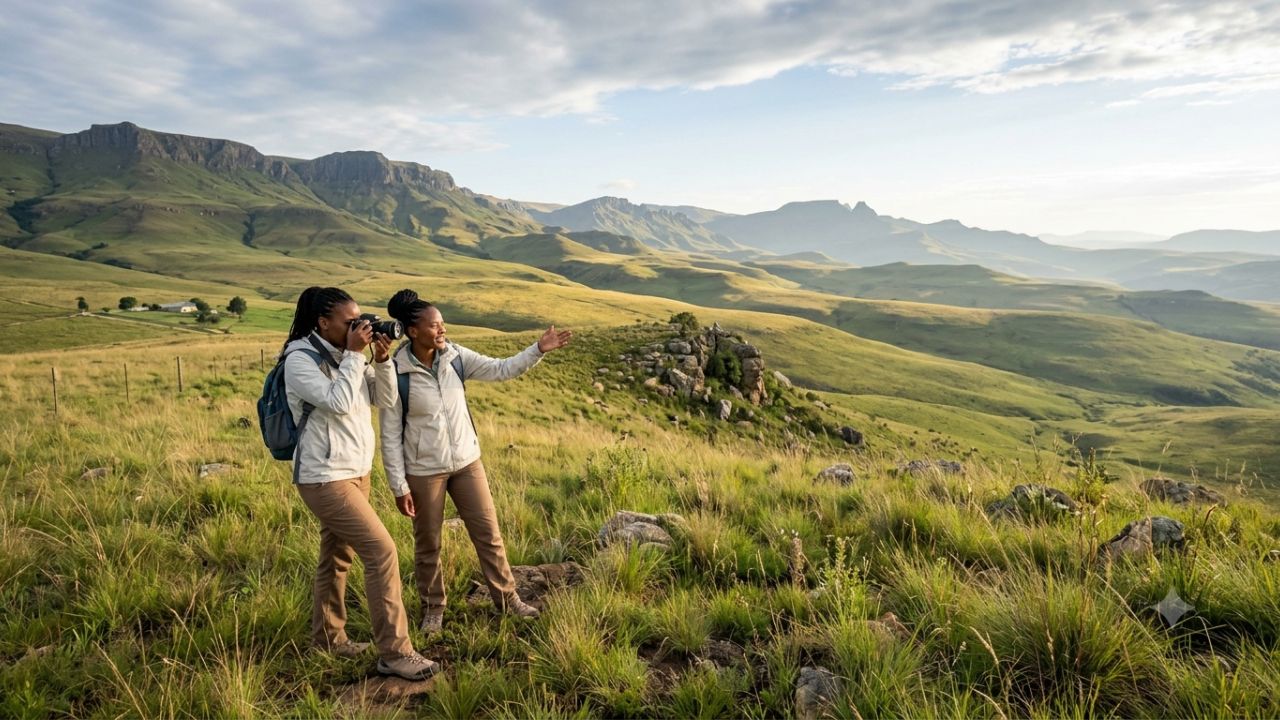
South Africa's new 10,225-hectare Grasslands National Park in the Eastern Cape introduces a biodiversity stewardship model linking conservation with rural agricultural communities.
South Africa has formally established its newest protected sanctuary with the official gazetting of the 10,225-hectare Grasslands National Park in the Eastern Cape highlands, pioneering a collaborative biodiversity stewardship model that bridges environmental preservation with working agricultural communities. Confirmed by South African National Parks (SANParks) following statutory proclamation on 9 October 2026, the park encompasses 18 properties situated between the mountain towns of Nqanqarhu and Rhodes. Rather than relying on state land expropriation, the groundbreaking declaration allows private landowners to maintain title to their farms while committing to conservation agreements that protect vulnerable montane ecosystems and vital water catchments.
The formal designation safeguards one of South Africa's most critically underrepresented ecological biomes. While the nation’s savanna, fynbos, and succulent Karoo habitats have historically enjoyed extensive national park representation, high-altitude temperate grasslands have faced accelerating degradation from unmanaged grazing, invasive plant encroachment, and climate volatility. By placing this high-elevation landscape under the management authority of SANParks, South Africa is simultaneously securing regional freshwater security, building climate resilience, and establishing a future foundation for responsible, community-centered nature tourism across the Drakensberg escarpment.
Statutory Proclamation: Official Declaration of Grasslands National Park
The establishment of Grasslands National Park represents the culmination of extensive legal and stakeholder consultations conducted under the National Environmental Management: Protected Areas Act, 2003 (Act No. 57 of 2003).
                  ┌──────────────────────────────────────────────┐
                  │   Statutory Protected Area Framework (2026)  │
                  └──────────────────────┬───────────────────────┘
                                         │
         ┌───────────────────────────────┴───────────────────────────────┐
         ▼                                                               ▼
┌─────────────────────────────────┐             ┌─────────────────────────────────┐
│     Legal Proclamation          │             │    Operational Structure        │
│ • Government Notice No. 8002    │             │ • 10,225.9242 Hectares Total    │
│ • Government Gazette No. 55531  │             │ • 18 Privately Owned Properties │
│ • Section 38(1)(aA) Designation │             │ • Management Body: SANParks     │
│ • Formally Gazetted 9 Oct 2026  │             │ • Corridor: Nqanqarhu to Rhodes │
└─────────────────────────────────┘             └─────────────────────────────────┘
The statutory notice follows preliminary intention notices published in 2025, providing the legal underpinning required to designate SANParks as the official management authority under Section 38(1)(aA) of the legislation.
| Statutory Indicator | Official Verified Detail | Strategic Conservation Significance |
|---|---|---|
| Protected Area Name | Grasslands National Park | First national park dedicated to high-altitude temperate grasslands |
| Proclamation Date | 9 October 2026 | Enters full statutory protection under South African law |
| Government Gazette / Notice | Gazette No. 55531, Notice No. 8002 | Formal gazette under the Protected Areas Act, 2003 |
| Total Proclaimed Area | 10,225.9242 hectares | 18 contiguous and interconnected properties |
| Provincial Geography | Eastern Cape Highlands | Situated between Nqanqarhu (Maclear) and Rhodes |
| Management Authority | South African National Parks (SANParks) | Integrated within national conservation governance and planning |
The Biodiversity Stewardship Innovation: Redefining National Parks
The defining operational feature of Grasslands National Park is its innovative reliance on biodiversity stewardship. Historically, the creation of national parks in southern Africa depended almost exclusively on outright state land purchases or public proclamations that often displaced agrarian livelihoods.
                    ┌───────────────────────────────────────────┐
                    │      Biodiversity Stewardship Model       │
                    └─────────────────────┬─────────────────────┘
                                          │
         ┌────────────────────────────────┼────────────────────────────────┐
         ▼                                ▼                                ▼
┌──────────────────┐            ┌──────────────────┐            ┌──────────────────┐
│ Private Title    │            │ Legally Binding  │            │ Sustainable      │
│ Retained         │            │ Conservation Pact│            │ Agriculture      │
│ • Farmers retain │            │ • Long-term      │            │ • Regulated      │
│   deed ownership │              covenants        │              grazing permitted│
│ • Zero state land│            │ • SANParks joint │            │ • Invasive alien │
│   expropriation  │              planning         │              plant control    │
└──────────────────┘            └──────────────────┘            └──────────────────┘
Under the stewardship model applied in the Eastern Cape highlands:
- Title Retention: Participating farmers and landowners maintain freehold ownership of their properties while voluntarily entering long-term, legally binding conservation contracts.
- Coexistence with Agriculture: Productive agricultural activities that do not compromise ecological integrity—such as regulated rotational livestock grazing and sustainable wool production—continue within defined environmental parameters.
- Cost-Effective Landscape Protection: By sidestepping prohibitive land-acquisition budgets, conservation funding can be directed straight toward ecological rehabilitation, game fencing, anti-poaching measures, and community enterprise incubators.
| Dimension | Conventional National Park Model | Grasslands National Park Stewardship Model |
|---|---|---|
| Land Ownership | 100% state-owned or acquired via treasury funds | Title deeds retained by private agricultural landowners |
| Land-Use Integration | Strict exclusion of commercial farming or grazing | Compatible rotational livestock grazing permitted |
| Community Relations | Historical friction over land access and boundaries | Collaborative co-management with local agrarian landholders |
| Capital Requirements | Multi-million rand land acquisition outlays | Capital focused on habitat restoration and monitoring |
| Management Body | Exclusively state conservation staff | SANParks oversight in formal partnership with landowners |
Safeguarding the Eastern Cape Drakensberg Strategic Water Source Area
Beyond its botanical richness, Grasslands National Park sits directly within the Eastern Cape Drakensberg Strategic Water Source Area (SWSA), representing a critical ecological buffer for South Africa's national freshwater security.
                   ┌─────────────────────────────────────────────┐
                   │    Eastern Grasslands Mega Living Landscape │
                   │              (~1.5 Million Hectares)        │
                   └──────────────────────┬──────────────────────┘
                                          │
         ┌────────────────────────────────┴────────────────────────────────┐
         ▼                                                                 ▼
┌─────────────────────────────────┐             ┌─────────────────────────────────┐
│ Strategic Water Source Zones    │             │ Grasslands National Park Core   │
│ • 943,374 Hectares (~57% Area)  │             │ • 10,225 Hectares Proclaimed    │
│ • Feeds Key Downstream Rivers   │             │ • Headwater Catchment Sponges   │
│ • Critical Highland Wetlands    │             │ • High-Altitude Peat Sponges    │
└─────────────────────────────────┘             └─────────────────────────────────┘
High-elevation montane grasslands function as natural hydrological sponges. Intact grassland vegetation and deep alpine soils absorb heavy summer rainfall, gradually releasing clean, filtered water into downstream river networks throughout the arid winter months:
- The park forms the core nucleus of the broader Eastern Grasslands Mega Living Landscape, an expansive conservation planning zone spanning roughly 1.5 million hectares.
- Within this broader planning territory, designated Strategic Water Source Areas comprise approximately 943,374 hectares—accounting for nearly 57% of the landscape footprint.
- Protecting these catchments mitigates severe downstream siltation, prevents catastrophic flash flooding, and guarantees irrigation stability for agricultural valleys downstream in the Eastern Cape and KwaZulu-Natal.
SANParks Vision 2040 and Socio-Economic Development
The declaration aligns directly with SANParks Vision 2040, an institutional strategy aimed at transforming national parks from isolated environmental islands into regional drivers of inclusive socio-economic prosperity.
Key sustainability pillars being mobilized across the park's corridor include:
- Ecosystem Restoration Programs: Mobilizing state funding and biodiversity credits to employ local rural teams for clearing invasive alien wattle and pine trees, which consume excessive water and displace indigenous flora.
- Fire and Soil-Carbon Stewardship: Implementing scientific burn regimens and rotational grazing that restore topsoil biodiversity, opening pathways for long-term carbon financing mechanisms.
- Community Tourism Enterprise Incubator: Working alongside SANParks' Tourism Division to integrate nearby communities—including traditional pastoralists and small-town entrepreneurs in Rhodes, Barkly East, and Nqanqarhu—into future guiding, lodging, and cultural tourism value chains.
Future Ecotourism Potential vs. Immediate Traveler Realities
The establishment of Grasslands National Park opens exciting future horizons for South Africa’s eco-adventure sector, positioning the Eastern Cape highlands alongside renowned trekking regions like the Drakensberg and the Maloti Mountains of Lesotho.
                   ┌─────────────────────────────────────────────┐
                   │     Future Nature-Based Tourism Horizons    │
                   └──────────────────────┬──────────────────────┘
                                          │
         ┌────────────────────────────────┼────────────────────────────────┐
         ▼                                ▼                                ▼
┌──────────────────┐            ┌──────────────────┐            ┌──────────────────┐
│  Eco-Adventure   │            │ Specialized      │            │ Rural Cultural   │
│ • High-altitude  │            │ Wildlife         │            │ Hospitality      │
│   trekking       │            │ • Endemic bird-  │            │ • Community home-│
│ • Mountain biking│              watching         │              stays in Rhodes  │
│ • Wild river fly │            │ • Alpine botanical│           │ • Artisan craft  │
│   fishing        │              exploration      │              and wool trails  │
└──────────────────┘            └──────────────────┘            └──────────────────┘
Prospective tourism activities under long-term planning include:
- Highland Trekking & Mountain Biking: Traversing historic mountain passes, sandstone escarpments, and alpine ridges overlooking the Lesotho border.
- Endemic Birding: Opportunities to observe critically localized avian species that depend exclusively on pristine montane grasslands, including the Drakensberg Rockjumper, Ground Woodpecker, Bearded Vulture, Rudd's Lark, and Southern Bald Ibis.
- Fly Fishing in Pristine Streams: Angling for wild trout and indigenous yellowfish along the cold-water tributaries of the Bell, Kraai, and Sterkspruit rivers.
Critical Traveler Advisory for 2026
Travelers contemplating an immediate visit must understand the legal and operational distinction between a newly declared national park and an operational tourism destination:
- No Public Rest Camps or Gates Yet: At this initial gazetting phase, Grasslands National Park does not feature public entrance gates, visitor reception centers, ticket booths, or official SANParks rest camps.
- Respect Private Property Rights: Because participating land parcels remain private farms enrolled in conservation stewardship, there is no automatic right of public access or unrestricted hiking across the properties. Trespassing without prior permission is strictly illegal.
- Existing Commercial Hubs: Visitors seeking to experience the landscape in late 2026 should utilize established commercial guesthouses, farm stays, and private hiking trails based out of the nearby historic village of Rhodes or the town of Nqanqarhu, while checking directly with SANParks for updates on official public access frameworks.
Frequently Asked Questions
When was South Africa's Grasslands National Park officially declared?
Grasslands National Park was formally declared on 9 October 2026 under Government Notice No. 8002 in Government Gazette No. 55531, pursuant to the Protected Areas Act, 2003.
Where is Grasslands National Park located?
The park covers 10,225 hectares across 18 properties in the Eastern Cape highlands, situated in the rugged mountain corridor between Nqanqarhu (Maclear) and Rhodes.
How does the biodiversity stewardship model work in this park?
Participating landowners retain ownership of their farmland while signing legally binding agreements with SANParks to maintain ecological integrity and continue conservation-compatible agriculture.
Can tourists visit Grasslands National Park right now?
Not directly; official public entrance gates, visitor facilities, and SANParks lodging are not yet operational. Visitors must explore through established regional lodgings in Rhodes or Nqanqarhu.
Related Travel Guides
- Germany's Green Heart: Sustainable Bus and Rail Travel Explores Thuringia's UNESCO Heritage in 2026
- Singapore, Malaysia, and Indonesia Launch SIJORI Smart-Pass for Biometric Digital Nomad Travel Across Johor and Batam
- Gothenburg Christmas Tourism 2026: Sweden's Festive Julmys Expands European Rail, Ferry, and Flight Connections
Disclaimer
This article is for informational and educational purposes only. It does not constitute legal, financial, or professional advice. While we strive to provide accurate and up-to-date information, travel policies, regulations, and conditions change rapidly. Always verify information with official sources before making travel decisions. Nomad Lawyer makes no representations about the accuracy, reliability, completeness, or suitability of the information provided. Readers should consult qualified professionals for advice specific to their circumstances. The views expressed in this article are those of the author and do not necessarily reflect the views of Nomad Lawyer.
Raushan Kumar
Founder & Lead Developer
Full-stack developer with 11+ years of experience and a passionate traveller. Raushan built Nomad Lawyer from the ground up with a vision to create the best travel and law experience on the web.
Learn more about our team →