
Germany's Green Heart: Sustainable Bus and Rail Travel Explores Thuringia's UNESCO Heritage in 2026
Thuringia emerges as Germany's premier car-free cultural corridor in 2026, linking Erfurt's medieval monuments, Weimar's Bauhaus sites, and Hainich National Park by bus and rail.

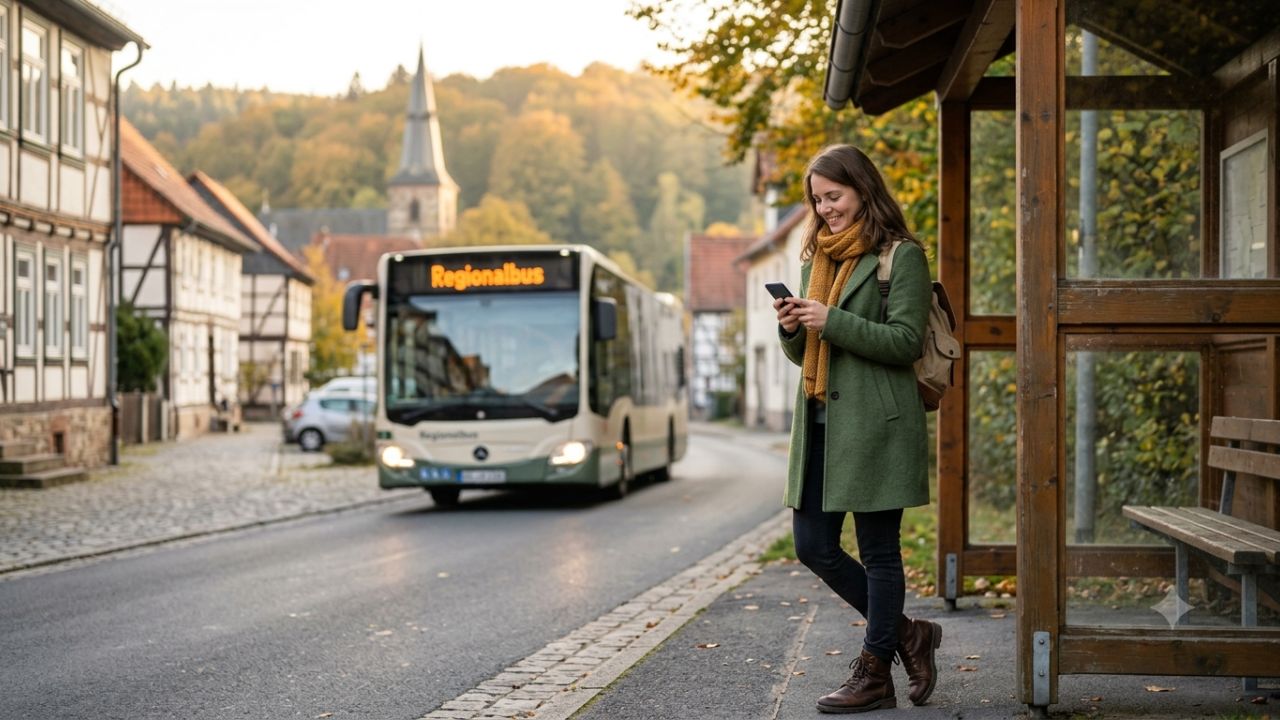
Thuringia, Germany's Green Heart, expands car-free bus and rail connections in 2026, linking Erfurt, Weimar, Bad Langensalza, and Hainich National Park.
Germany's central state of Thuringia—celebrated historically as the nation's "Green Heart"—is redefining European regional tourism in 2026 by championing comprehensive, car-free itineraries powered by interconnected bus and rail networks. Centered around the state capital of Erfurt, this sustainable travel initiative enables visitors from key European source markets, including the Netherlands, Denmark, the United Kingdom, and Austria, to experience world-class cultural heritage and pristine wilderness without renting a vehicle. By seamlessly linking Erfurt's medieval Jewish-Christian landmarks, Weimar's Bauhaus and Classical shrines, Bad Langensalza's thermal wellness spas, and the ancient primeval beech forests of Hainich National Park, Thuringia offers a practical blueprint for climate-conscious regional discovery.
The focus on lower-carbon transport coincides with sustained growth across Germany's inbound tourism economy. Official data released by the Federal Statistical Office (Destatis) indicates that German hospitality providers registered 282.1 million overnight stays between January and July 2026, marking a 0.9% year-on-year increase. International visitors accounted for 47.1 million of those overnights, reflecting a 1.0% annual expansion. Bolstered by targeted trade promotion at the German National Tourist Board's (GNTB) Travel Summit hosted in Erfurt in late September 2026, Thuringia is translating national travel demand into dispersed, sustainable visitation that directly benefits local regional communities.
Inbound Tourism Benchmarks: Germany's Macroeconomic Travel Landscape
Germany's overall tourism resilience provides a stable foundation for Thuringia's regional dispersion efforts. As international travelers seek destinations beyond overcrowded metropolitan centers, regional transport networks have emerged as crucial enablers of diversified leisure travel.
                  ┌──────────────────────────────────────────────┐
                  │      Germany Tourism Performance (H1 2026)   │
                  │             282.1M Total Overnights          │
                  └──────────────────────┬───────────────────────┘
                                         │
         ┌───────────────────────────────┴───────────────────────────────┐
         ▼                                                               ▼
┌─────────────────────────────────┐             ┌─────────────────────────────────┐
│     Domestic Overnights         │             │   International Overnights      │
│ • 235.0 Million Overnights      │             │ • 47.1 Million Overnights       │
│ • Sustained Holiday Demand      │             │ • +1.0% Year-on-Year Growth     │
│ • Rail Pass Adoption            │             │ • Key Inbound: NL, DK, UK, AT   │
└─────────────────────────────────┘             └─────────────────────────────────┘
The peak summer month of July 2026 recorded 58.4 million overnight stays nationwide, a 3.2% increase compared to July 2025. While national data captures the broad vitality of German destinations, Thuringia's distinct appeal lies in providing high-density cultural and nature assets within compact transit distances, minimizing carbon footprints while maximizing holiday variety.
| Official Tourism Indicator | Jan–July 2025 Baseline | Jan–July 2026 Actual | Year-on-Year Change | Key Strategic Driver |
|---|---|---|---|---|
| Total Overnight Stays | 279.6 million | 282.1 million | +0.9% | Strong domestic demand & regional event travel |
| International Overnights | 46.6 million | 47.1 million | +1.0% | Western European inbound via rail and air corridors |
| Domestic Overnights | 233.0 million | 235.0 million | +0.8% | High adoption of regional transit passes |
| July Monthly Overnights | 56.6 million | 58.4 million | +3.2% | Summer holiday season peak and outdoor nature stays |
The Four Pillars of Thuringia: UNESCO Culture and Primeval Wilderness
Thuringia's car-free itinerary weaves together four distinct destinations that illustrate the multifaceted character of central Germany:
                    ┌───────────────────────────────────────────┐
                    │      Thuringia's Cultural-Nature Axis     │
                    └─────────────────────┬─────────────────────┘
                                          │
         ┌────────────────────────────────┼────────────────────────────────┐
         ▼                                ▼                                ▼
┌──────────────────┐            ┌──────────────────┐            ┌──────────────────┐
│  Erfurt (Hub)    │            │  Weimar          │            │  Hainich & Bad   │
│ • Medieval Core  │            │ • Classical Era  │            │   Langensalza    │
│ • Krämerbrücke   │            │   Goethe/Schiller│            │ • UNESCO Forest  │
│ • UNESCO Jewish  │            │ • Bauhaus 1919   │            │ • Hainichbus 150 │
│   Heritage 2023  │            │ • 15-Min Train   │            │ • Thermal Spas   │
└──────────────────┘            └──────────────────┘            └──────────────────┘
1. Erfurt: Medieval Crossroads and Living Heritage
As the state capital and central transit junction, Erfurt serves as the logical starting base for a car-free regional tour. The city's intact medieval center features the monumental ensemble of St. Mary's Cathedral and the Church of St. Severus atop the Domplatz, as well as the famed Krämerbrücke (Merchants' Bridge)—the longest continuously inhabited bridge in Europe lined with timber-framed artisan workshops.
In 2023, UNESCO inscribed Erfurt's Jewish-Medieval Heritage on the World Heritage List. The designation encompasses the Old Synagogue (dating to the late 11th century and housing the extraordinary Erfurt Treasure), an intact 13th-century ritual bath (mikveh), and the Stone House, providing unmatched tangible evidence of medieval coexistence in central Europe.
2. Weimar: From German Classicism to Bauhaus Modernism
Located just 15 minutes east of Erfurt by frequent regional rail, Weimar holds dual UNESCO World Heritage designations that shaped global culture:
- Classical Weimar: Preserves the residential palaces, gardens, and literary archives of Johann Wolfgang von Goethe, Friedrich Schiller, and Johann Gottfried Herder, reflecting the intellectual golden age of the late 18th and early 19th centuries.
- Bauhaus Sites: Commemorates the revolutionary design movement founded in Weimar by Walter Gropius in 1919. Visitors can explore the state-of-the-art Bauhaus Museum Weimar and the Haus am Horn, the prototype modern residential home constructed in 1923.
3. Hainich National Park: Ancient Beech Canopy
Positioned northwest of Erfurt, Hainich National Park safeguards one of the largest unfragmented deciduous beech forests in Central Europe. Inscribed by UNESCO in 2011 as part of the transnational Ancient and Primeval Beech Forests of the Carpathians and Other Regions of Europe, the park functions as a biological time capsule showing how temperate European forests regenerated following the last ice age.
The premier visitor attraction is the Treetop Walkway (Baumkronenpfad) near Thiemsburg, which elevates hikers up to 44 meters above the forest floor into the canopy layer. The walkway is served directly by the scheduled Hainichbus (Line 150), providing transit connections from railway stations in Eisenach and Bad Langensalza.
4. Bad Langensalza: Horticultural Elegance and Thermal Wellness
Situated between Erfurt and Hainich, the historic town of Bad Langensalza is renowned for its sulphur and brine thermal waters and its network of curated botanical attractions. Travelers can stroll through the authentic Japanese Garden (Kofuku-no-Sato), the Arboretum, and the Rose Garden before rejuvenating tired muscles in the mineral pools of the Friederiken Therme.
| Destination | UNESCO / Cultural Status | Primary Highlights | Public Transit Access |
|---|---|---|---|
| Erfurt | UNESCO World Heritage (2023) | Krämerbrücke, Old Synagogue, Domplatz Cathedral | Intercity ICE hub, regional trains, city tram network |
| Weimar | Dual UNESCO World Heritage | Goethe National Museum, Bauhaus Museum, Duchess Anna Amalia Library | Regional Express (RE) trains from Erfurt (15 min) |
| Hainich National Park | UNESCO World Heritage (2011) | Ancient beech forest trails, Treetop Walkway, wildcat enclosure | Hainichbus 150 from Eisenach / Bad Langensalza (45 min) |
| Bad Langensalza | Certified Spa & Garden City | Friederiken Therme, Japanese Garden, historic moated core | Regional rail (RB) from Erfurt, regional connecting buses |
The Car-Free Transit Architecture: Rail, Tram, and the Hainichbus
The viability of exploring Thuringia without a rental vehicle relies on the integrated transport framework managed by the Verkehrsverbund Mittelthüringen (VMT) and Deutsche Bahn (DB).
                   ┌─────────────────────────────────────────────┐
                   │       Thuringia Regional Transit Flow       │
                   └──────────────────────┬──────────────────────┘
                                          │
         ┌────────────────────────────────┼────────────────────────────────┐
         ▼                                ▼                                ▼
┌──────────────────┐            ┌──────────────────┐            ┌──────────────────┐
│ Long-Distance    │            │ Regional Rail    │            │ Connecting Buses │
│ Arrivals (ICE)   │            │ (RE / RB Trains) │            │ & Trams          │
│ • Frankfurt-Erfurt│           │ • Erfurt-Weimar  │            │ • Hainichbus 150 │
│   (~90 Minutes)  │              (15 Minutes)     │              to Treetop Walk  │
│ • Berlin-Erfurt  │            │ • Erfurt-Bad     │            │ • Erfurt City    │
│   (~100 Minutes) │              Langensalza (40m)│              EV Trams         │
└──────────────────┘            └──────────────────┘            └──────────────────┘
- International and Long-Distance Rail Gateways: International travelers arriving by air at Frankfurt Airport (FRA) or Berlin Brandenburg (BER) can board high-speed Intercity Express (ICE) trains directly to Erfurt Central Station (Erfurt Hbf) in approximately 90 to 100 minutes.
- Dense Regional Rail Corridors: Regional Express (RE) and Regionalbahn (RB) trains operate on clockface timetables between Erfurt, Weimar, Jena, Gotha, and Eisenach, offering frequent connections throughout the day.
- The Hainichbus (Line 150): Operated by the regional transit operator, this seasonal bus route connects the railway hub of Eisenach (home to the historic Wartburg Castle) and Bad Langensalza directly to the Treetop Walkway at Thiemsburg in approximately 45 minutes, synchronizing with scheduled train arrivals.
- Urban Tram Networks: Both Erfurt and Nordhausen feature extensive, clean electric tram systems that connect train terminals with historic quarters, parks, and accommodation districts.
Key European Source Markets: Cross-Border Corridors into Thuringia
The GNTB Travel Summit in Erfurt brought together roughly 60 international tour operators and travel buyers from 14 European source nations, spotlighting four proximate markets ideally situated for car-free German holidays:
The Netherlands: Pioneer in Rail and Eco-Transit
Dutch travelers represent one of Germany's largest inbound demographics. With direct ICE connections from Amsterdam Centraal and Utrecht to Frankfurt or Hannover, Dutch visitors can reach Erfurt by train in just over five hours. The Dutch market demonstrates high affinity for combining architectural city breaks with forest hiking and thermal wellness.
Denmark: Seamless Scandinavian Connections
Danish travelers departing from Copenhagen or Aarhus can utilize EuroCity and ICE corridors through Hamburg and Berlin down to Thuringia in roughly six to seven hours. Danish tour operators are increasingly packaging multi-day itineraries that pair Weimar's modernist design heritage with the pristine biodiversity of Hainich National Park.
United Kingdom: City-to-Forest Escapes
British travelers frequently fly into Frankfurt Airport before transferring directly onto ICE platforms underneath the airport terminal, arriving in Erfurt without negotiating city traffic. The combination of Gothic architecture, classical music festivals, and English-language guided nature tours appeals strongly to UK cultural travelers.
Austria: Direct Alpine-to-Central Germany Links
Austrian visitors benefit from direct Nightjet sleeper trains and daytime ICE services linking Vienna, Linz, and Salzburg with Nuremberg and Erfurt. Austrian holidaymakers often prioritize historical walking tours and wellness spa retreats in Bad Langensalza.
| Inbound Source Market | Primary Transport Gateway | Typical Travel Duration | Primary Itinerary Combination |
|---|---|---|---|
| Netherlands | Rail via Amsterdam / Frankfurt | 5–6 hours by ICE train | Erfurt medieval sights + Bad Langensalza thermal wellness |
| Denmark | Rail via Copenhagen / Hamburg | 6–7 hours by rail | Weimar Bauhaus architecture + Hainich canopy walking |
| United Kingdom | Flight to Frankfurt + ICE rail | 1.5 hr flight + 90 min ICE | Erfurt cathedral sightseeing + Wartburg Castle & Hainich |
| Austria | Rail via Vienna / Nuremberg | 4.5–5.5 hours by ICE / Nightjet | Classical Weimar cultural shrines + nature trail hiking |
Sustainable Tourism Impact: Dispersing Spend and Lowering Emissions
Transitioning from private automotive travel to public bus and rail delivers tangible sustainability advantages across central Germany:
- Carbon Footprint Reduction: Utilizing electric rail and shared regional buses significantly reduces per-passenger greenhouse gas emissions compared to private or rental car journeys across Thuringian highways.
- Economic De-Concentration: By facilitating simple transfers from Erfurt into Bad Langensalza and surrounding rural villages, transit networks encourage tourists to spend on local guesthouses, regional bakeries, and family-run restaurants rather than concentrating expenditure solely in major hotel chains.
- Preservation of Fragile Habitats: Concentrating national park arrivals at designated transit hubs like Thiemsburg curbs private vehicle traffic, roadkill risks, and parking lot sprawl within Hainich's protected forest buffer zones.
Practical Traveler Guide: Planning a Car-Free Thuringia Trip in 2026
To ensure a seamless public transport journey through Thuringia, international visitors should incorporate several practical guidelines:
- Ticketing and Rail Passes: International visitors should evaluate the Deutschland-Ticket (monthly regional transit subscription covering all local trains, buses, and trams across Germany) or VMT day passes, which offer unlimited regional transit flexibility at predictable costs. Note that long-distance ICE/IC trains require separate tickets.
- Verify Rural Bus Timetables: While intercity rail between Erfurt and Weimar runs several times per hour, rural buses such as the Hainichbus Line 150 operate on specific seasonal timetables with reduced frequencies on weekends and during winter months. Always consult the DB Navigator or VMT mobile app beforehand.
- Luggage Considerations: Regional trains and buses accommodate rolling luggage, but travelers planning extensive hiking in Hainich should utilize luggage storage lockers located inside Erfurt Central Station or Eisenach station before heading into the forest.
- Footwear and Outdoor Preparation: Hainich's canopy walkway and natural hiking trails require sturdy, weather-resistant walking shoes. Variable forest weather makes layered clothing and rain gear advisable year-round.
Frequently Asked Questions
How do travelers get from Frankfurt Airport to Thuringia without a car?
Direct high-speed Intercity Express (ICE) trains run regularly from Frankfurt Airport long-distance station directly to Erfurt Central Station in approximately 90 minutes.
What is the Hainichbus and where does it operate?
The Hainichbus (Line 150) is a dedicated regional bus service that connects railway stations in Eisenach and Bad Langensalza directly to the Treetop Walkway at Hainich National Park in about 45 minutes.
What UNESCO World Heritage sites are located in Thuringia?
Thuringia features Erfurt's Jewish-Medieval Heritage (inscribed 2023), Classical Weimar, the Bauhaus Sites in Weimar, the primeval beech forests of Hainich National Park, and nearby Wartburg Castle in Eisenach.
Can travelers use the Deutschland-Ticket on Thuringian buses and trams?
Yes. The nationwide Deutschland-Ticket is fully valid on all regional trains (RE/RB), local buses (including the Hainichbus), and city trams throughout Thuringia, excluding long-distance IC/ICE trains.
Related Travel Guides
- Singapore, Malaysia, and Indonesia Launch SIJORI Smart-Pass for Biometric Digital Nomad Travel Across Johor and Batam
- Gothenburg Christmas Tourism 2026: Sweden's Festive Julmys Expands European Rail, Ferry, and Flight Connections
- Egypt Tourism Growth in 2026: US and Russia Inbound Surges Combine with Saint Catherine Heritage Expansion
Disclaimer
This article is for informational and educational purposes only. It does not constitute legal, financial, or professional advice. While we strive to provide accurate and up-to-date information, travel policies, regulations, and conditions change rapidly. Always verify information with official sources before making travel decisions. Nomad Lawyer makes no representations about the accuracy, reliability, completeness, or suitability of the information provided. Readers should consult qualified professionals for advice specific to their circumstances. The views expressed in this article are those of the author and do not necessarily reflect the views of Nomad Lawyer.
Kunal K Choudhary
Co-Founder & Contributor
A passionate traveller and tech enthusiast. Kunal contributes to the vision and growth of Nomad Lawyer, bringing fresh perspectives and driving the community forward.
Learn more about our team →