
Spain Aligns With United Kingdom And More Countries As Canada Issues High Level Travel Advisory On Investment Scams And Citizenship Rules
Spain Aligns With United Kingdom And More Countries As Canada Issues High Level Travel Advisory On Investment Scams And Citizenship Rules

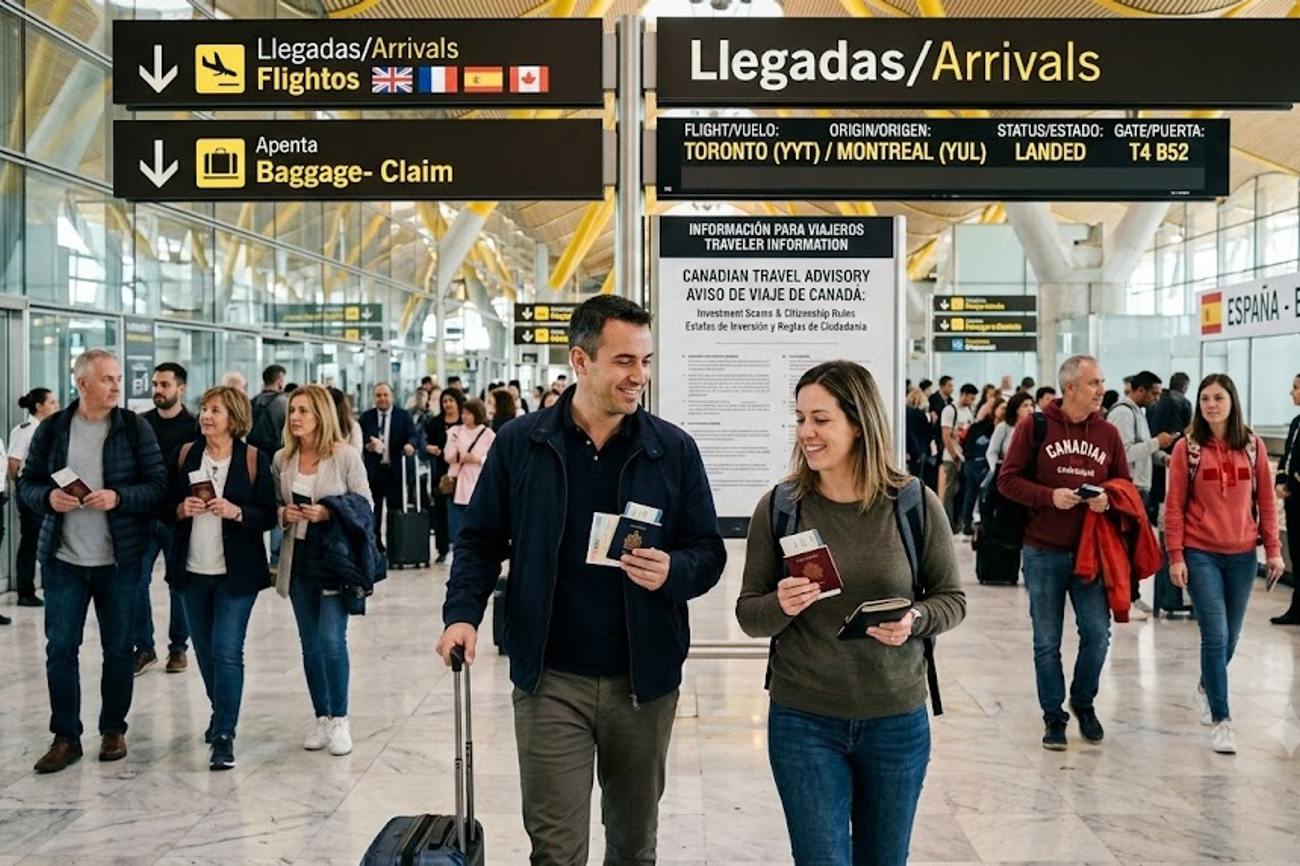
Image generated by AI
[Ottawa, October 2024] — The Government of Canada has issued a high-level travel advisory for citizens visiting Spain and the United Kingdom, citing elevated risks of terrorism, sophisticated financial fraud, and organized petty crime.
The updated guidance mandates that Canadians exercise a "high degree of caution" when navigating these two major European destinations. The advisory arrives as a response to evolving security threats, including the potential for terror attacks, a surge in investment scams, and volatile public demonstrations that threaten transportation stability. While the Canadian government is not advising against travel, it is urging rigorous situational awareness and adherence to official security protocols.
The Drivers of Increased Caution
The primary catalysts for the advisory are the persistent threats of terrorism and the proliferation of targeted crimes against foreigners. In both Spain and the UK, security agencies remain on alert for attacks targeting "soft targets"—locations where large numbers of people gather without heavy security presence.
In Spain, the focus is heavily weighted toward the protection of assets. The advisory highlights a systemic issue with "distraction theft," where criminals use coordinated tactics to steal passports, smartphones, and wallets. These operations often involve groups of individuals who create chaos or use social engineering—such as pretending to spill liquids on a victim—to divert attention while an accomplice loots the traveler's belongings.
In the United Kingdom, the threat profile is broader, incorporating significant warnings regarding cybercrime and systemic transport disruptions. The advisory specifically notes that previous terrorist incidents in the UK have utilized vehicles, knives, and explosives, and warns that similar tactics could be deployed against government buildings, religious sites, and shopping centers.
Markets and Zones Under Surveillance
The advisory identifies specific high-risk zones where Canadian citizens are most vulnerable. These areas are characterized by high foot traffic and a high concentration of international tourists.
Spain: High-Risk Zones
- Barcelona: Extreme caution is advised at El Prat Airport, Las Ramblas, Sagrada Família, Güell Park, Plaça de Catalunya, and Passeig de Gràcia.
- Madrid: High-alert areas include Madrid-Barajas Airport, Atocha Train Station, Gran Vía, Plaza Mayor, Puerta del Sol, and Retiro Park.
- General Transit: All subway networks, bus stations, rental car hubs, and hotel lobbies across the country.
- Leisure Spots: Public beaches and outdoor cafés in major tourist hubs.
United Kingdom: High-Risk Zones
- London: Critical awareness is required at Piccadilly Circus, Trafalgar Square, Leicester Square, and all Underground pedestrian tunnels.
- Transit Hubs: All major airports and public transport interchanges.
- Public Spaces: Hotel lobbies, outdoor cafés, and large-scale public gathering spaces.
- Event Sites: Areas hosting sporting events, religious celebrations, or major public festivals.
What This Means for Travelers
For the average Canadian booking a trip, this advisory does not mean canceling plans, but it does necessitate a change in operational security. The "high degree of caution" designation is a formal signal that the environment is unpredictable.
Financial Security and Fraud Travelers must be wary of "investment opportunities" in Spain. The advisory warns that Canadians looking to purchase overseas property or enter business ventures are frequently targeted by investment scams. These disputes are often legally complex and expensive to resolve. Travelers are urged to employ independent legal counsel before transferring any funds.
Additionally, "romance scams" and digital fraud are on the rise. The government warns against meeting individuals met online for the first time in these countries without extreme caution, as these relationships are often fabricated to facilitate financial theft.
Digital Hygiene In the UK, the risk of cybercrime is paramount. Travelers are warned that public Wi-Fi networks are often compromised. To mitigate this, passengers should avoid unsecured networks and be vigilant about sharing personal data online.
Banking Safety To avoid ATM and credit card skimming, the Government of Canada recommends:
- Using ATMs located exclusively inside bank branches.
- Avoiding any card reader that appears modified or unusual.
- Strictly shielding PIN entries from view.
- Performing daily reviews of bank statements for unauthorized charges.
Navigating Regulations and Disruptions
Beyond crime and security, the advisory addresses the logistical hurdles of visiting the Schengen Area and the UK.
Entry and Residency Canadians visiting Spain must adhere to the Schengen Area regulations. While visas are generally not required for short-term tourism, the strict 90-day limit within any 180-day period must be observed to avoid legal penalties or future entry bans.
Civil Unrest and Transit In the UK, travelers are warned that strikes and public protests are frequent and can lead to sudden closures of roads and railway services. The advisory recommends monitoring local news and allowing significant buffer time for airport connections to avoid missing flights due to transport strikes.
FAQ: Spain and UK Travel 2024
Do I need a visa to visit Spain or the UK as a Canadian? For short-term tourism, Canadians generally do not need a visa. However, Spain follows Schengen rules, limiting stays to 90 days within a 180-day window. Always check the latest entry requirements via the official embassy website before departure.
What should I do if I am a victim of a scam in Spain? Immediately report the theft or fraud to local Spanish police and contact the nearest Canadian embassy or consulate. For financial fraud, notify your bank instantly to freeze compromised accounts and cards.
Are certain areas of London more dangerous than others? While London is generally safe, high-traffic tourist zones like Piccadilly Circus and Trafalgar Square are hotspots for pickpocketing and phone theft. Maintain a high level of awareness in these crowded areas.
How can I avoid cybercrime while traveling in the UK? Avoid using public, unsecured Wi-Fi for banking or accessing sensitive data. Use a Virtual Private Network (VPN), avoid clicking suspicious links in emails or texts, and use secure, bank-operated ATMs.
Stay alert, verify every investment, and keep your documents secure.
#CanadaTravelAdvisory #SpainSecurity2024 #UKTravelSafety #SchengenRules #TravelFraudAlert #LondonCrimePrevention
Related Travel Guides
Disclaimer
This article is for informational and educational purposes only. It does not constitute legal, financial, or professional advice. While we strive to provide accurate and up-to-date information, travel policies, regulations, and conditions change rapidly. Always verify information with official sources before making travel decisions. Nomad Lawyer makes no representations about the accuracy, reliability, completeness, or suitability of the information provided. Readers should consult qualified professionals for advice specific to their circumstances. The views expressed in this article are those of the author and do not necessarily reflect the views of Nomad Lawyer.
Naina Thakur
Contributor & Travel Specialist
Travel enthusiast and legal writer covering visa regulations, responsible tourism, and cultural journeys across global destinations.
Learn more about our team →