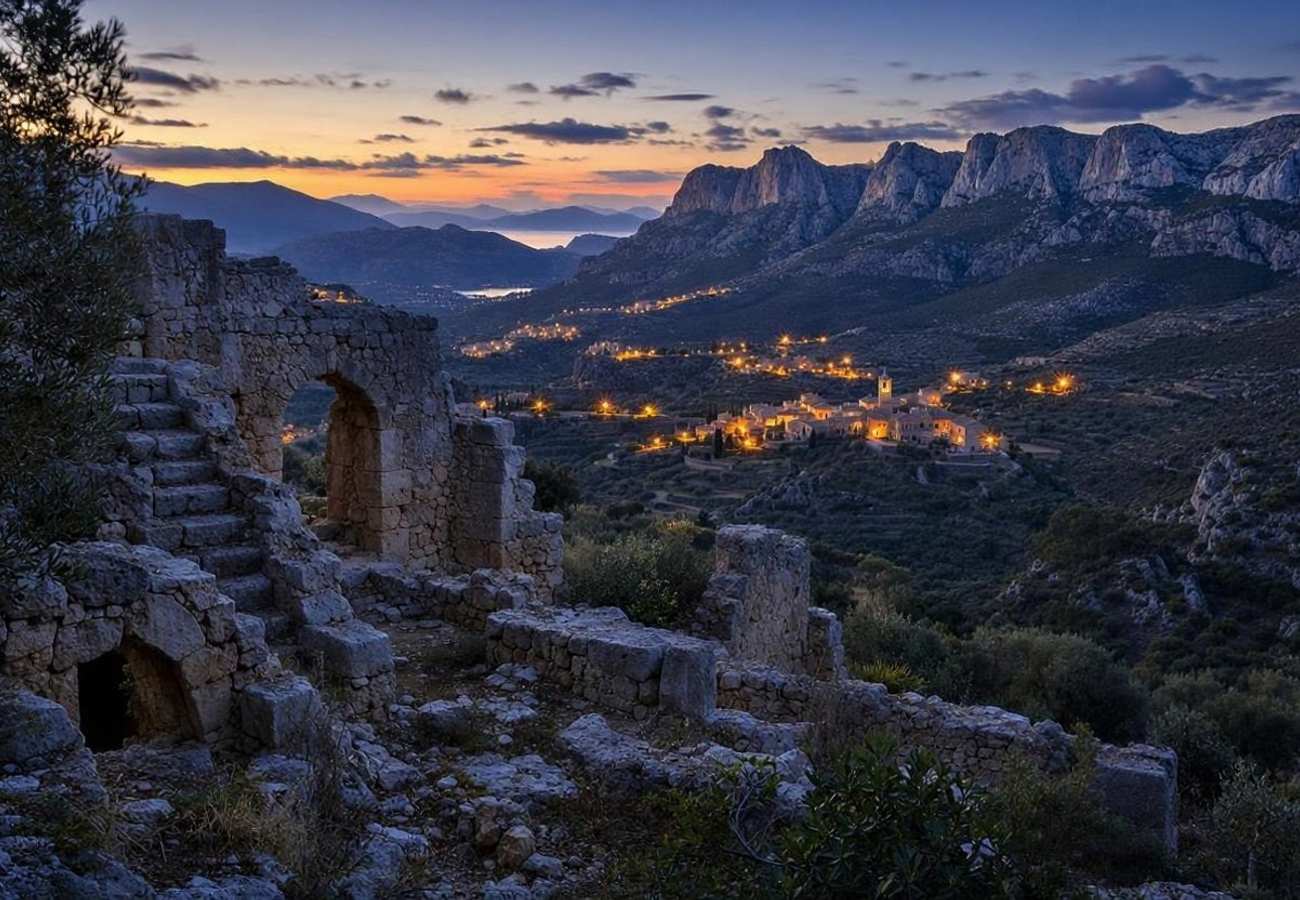
Malawi Follows Chad and Others as New $4.6M Conservation Drive Protects Africa’s Wildlife Tourism Assets

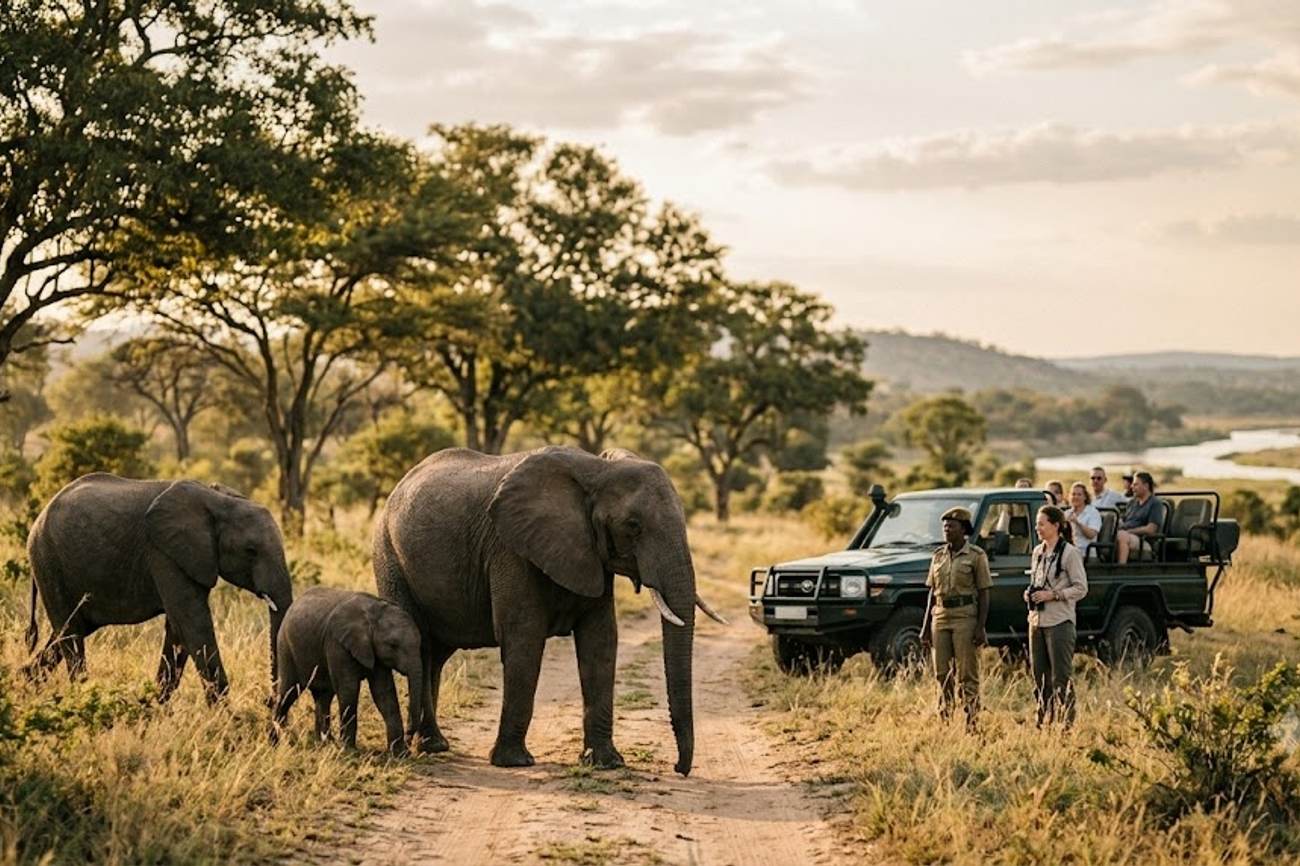
Image generated by AI
$4.6 million in new conservation funding is being deployed across four African nations to pioneer a results-based finance model that ties the survival of wildlife tourism to measurable ecological outcomes. This strategic investment targets Chad, the Democratic Republic of Congo (DRC), the Republic of Congo, and Malawi, shifting the paradigm from traditional grants to a performance-driven system known as Verifiable Nature Units (VNUs). By quantifying environmental success, this initiative aims to stabilize the biodiversity assets that underpin the continent's high-end safari and eco-tourism markets.
The Shift Toward Performance-Based Conservation
The traditional model of wildlife preservation has long relied on intermittent grants and philanthropic donations, which often lack rigorous transparency regarding on-the-ground results. The current $4.6 million drive introduces a financial mechanism designed to treat nature as a verifiable asset. Under this framework, funding is not merely allocated for "management" but is instead linked to the actual maintenance or improvement of specific ecosystems.
This transition is particularly vital for regions where political instability or logistical hurdles have historically hampered conservation. By implementing a system where funding is contingent upon verified data, the project creates a professionalized management layer over protected areas. This is being spearheaded through partnerships with African Parks, an organization known for taking over the management of national parks to ensure they are run with corporate-level efficiency and rigorous security.
Regional Breakdown of Protected Assets
The funding is distributed across four distinct ecological zones, each representing a different pillar of Africa's tourism appeal, from the savannahs of the Sahel to the dense rainforests of the Congo Basin.
| Country | Protected Area | Primary Ecosystem | Key Wildlife Focus | Tourism Driver |
|---|---|---|---|---|
| Malawi | Majete Wildlife Reserve | Mixed Savannah/Woodland | Biodiversity Recovery | Luxury Safari |
| Chad | Zakouma National Park | Savannah | Elephants/Large Mammals | Remote Expedition |
| DRC | Garamba National Park | Mixed Habitat | Giraffes, Hippos, Elephants | Conservation Travel |
| Rep. of Congo | Odzala-Kokoua National Park | Tropical Rainforest | Forest Biodiversity | Specialized Nature Tours |
In Malawi, the Majete Wildlife Reserve serves as a blueprint for ecosystem restoration. The reserve has transitioned from a degraded landscape to a thriving hub for nature-based tourism through aggressive habitat management and wildlife reintroduction. In Chad, Zakouma National Park has become a global symbol of elephant conservation, proving that high-security protection can restore populations in volatile regions, which in turn increases the land's value for international safari operators.
The Democratic Republic of Congo's Garamba National Park, established in 1938 and covering approximately 5,200 square kilometres, represents one of the most ambitious conservation challenges. Its ability to attract future tourists depends entirely on the stability of its ecological corridors and the safety of its infrastructure. Similarly, the Republic of Congo's Odzala-Kokoua National Park focuses on the preservation of the Congo rainforest, offering a niche, high-value tourism product centered on forest exploration and primate observation.
Expert Analysis: The Financialization of Biodiversity
The introduction of Verifiable Nature Units (VNUs) is the most significant development in this report. For the uninitiated, a VNU represents one square kilometre of nature where ecological conditions have been proven to be maintained or improved over a one-year period. This is effectively the "carbon credit" model applied to biodiversity.
For travelers and investors, the direct consequence is a shift in how "sustainable tourism" is defined. We are moving away from vague promises of "eco-friendly" lodges toward a system where the very land the tourist visits is a certified financial asset. When a park like Garamba or Zakouma can prove its biodiversity is increasing via VNUs, it lowers the risk profile for luxury lodge developers and tour operators who require long-term stability to justify capital investment.
Malawi's new conservation drive is part of a broader effort to protect Africa's wildlife tourism assets, with a $4.6M investment aimed at preserving the country's natural heritage. The initiative is expected to boost tourism in the region, with visitors able to explore Malawi's stunning national parks and wildlife reserves, for more information on travel requirements and regulations, visit the official website of the Malawi Department of National Parks and Wildlife. This move follows similar conservation efforts in countries such as Chad, which has also made significant strides in protecting its wildlife and natural resources.
The pricing pressure created by this model will likely lead to a bifurcation of the African travel market. As these parks become "verified," the cost of entry and the cost of stays will likely rise to reflect the actual cost of the conservation units required to maintain the land. We are seeing the emergence of a "conservation premium," where the traveler is not just paying for a room, but directly funding the verified maintenance of a specific square kilometre of wilderness.
Furthermore, this model addresses the "leakage" problem in conservation finance. By using the International Union for Conservation of Nature (IUCN) standards or similar ecological indicators, the $4.6 million investment is protected from mismanagement. If the wildlife counts drop or the forest cover shrinks, the financial incentive vanishes. This creates an unprecedented level of accountability for park wardens and government ministries.
Key Takeaways
- New Funding Model: A $4.6 million investment is implementing Verifiable Nature Units (VNUs), where one unit equals one square kilometre of verified ecological maintenance.
- Geographic Scope: The project spans four nations: Malawi (Majete), Chad (Zakouma), DRC (Garamba), and the Republic of Congo (Odzala-Kokoua).
- Data-Driven Tourism: Future safari and rainforest tourism in these regions will be tied to measurable biodiversity metrics rather than general management goals.
- Infrastructure Linkage: In the DRC, the success of Garamba (5,200 sq km) is specifically tied to the intersection of biodiversity protection and visitor infrastructure.
- Market Shift: This represents a move toward performance-based conservation finance, increasing transparency for international investors and eco-tourists.
FAQ: Africa Wildlife Conservation Finance 2024
What is a Verifiable Nature Unit (VNU)? A VNU is a financial metric representing one square kilometre of protected land. It is awarded only if ecological data proves that the biodiversity and habitat health of that specific area were maintained or improved over a year.
How does this affect the cost of African safaris? While not immediate, this model encourages high-value, low-impact tourism. As parks move toward performance-based funding, expect a rise in "conservation fees" that are directly linked to the verified protection of the land you visit.
Which parks are included in this $4.6M drive? The initiative specifically supports Majete Wildlife Reserve (Malawi), Zakouma National Park (Chad), Garamba National Park (DRC), and Odzala-Kokoua National Park (Republic of Congo).
Why is this better than traditional conservation grants? Traditional grants are often spent regardless of the outcome. VNUs require proof of success—such as increased wildlife populations or forest regrowth—before funding is fully realized, ensuring a higher return on environmental investment.
The commodification of nature is a risky gamble, but in the battle against extinction, a verified ledger may be the only language investors understand.
Tags: Verifiable Nature Units, African Parks, Majete Wildlife Reserve, Zakouma National Park, Garamba National Park, Odzala-Kokoua National Park
Related Travel Guides
- Bahrain Joins Qatar and Other Gulf Destinations as Airlines Rebuild Capacity After 2026 Travel Disruption
- Peru’s Los Órganos Offers Idyllic Beaches, Whale Watching And A Peaceful Alternative To Hawaii
- Central America and Canada Strengthen Tourism Links Through Roadshows and Expanding Flight Connectivity
This article is for informational purposes. Flight routes, passenger regulations, visa rules, and transit advisories are subject to change by airlines and aviation authorities. Readers are advised to verify schedules and travel documentation with relevant carriers and border agencies before departure.
Related Stories

Phuket Luxury Tourism Surge 2026: High-Net-Worth Arrivals and New Aviation Routes
Mexico Ecotourism Market Projected to Hit USD 9.29 Billion by 2034 as Green Travel Surges