
South Korea Travel Guide: Navigating Landmarks Beyond Seoul
Plan your South Korea trip with our ultimate guide, covering historic palaces, UNESCO sites like Gyeongju, Jeju Island logistics, and KTX rail schedules.
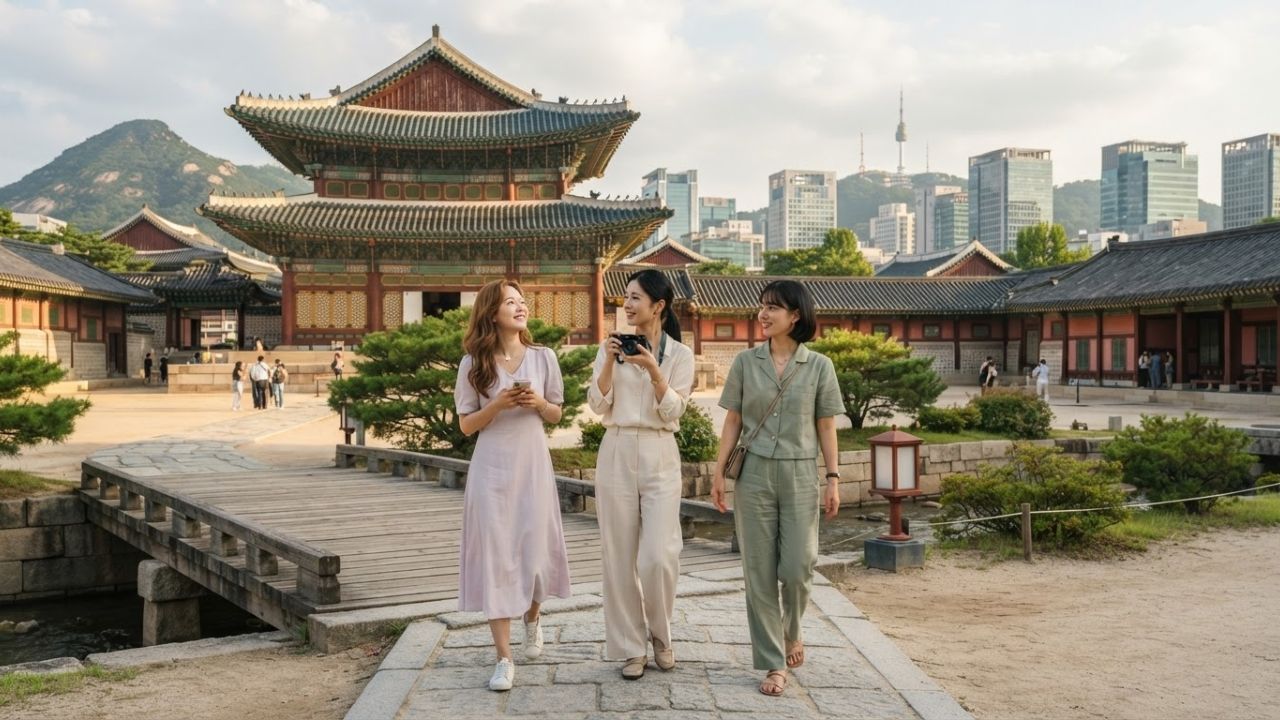
Image generated by AI
With high-speed KTX rail corridors and high-frequency domestic flights connecting Seoul with regional hubs, South Korea offers seamless access to its historic provinces.
The Core Transit Update
Integrated transport planning and regional accessibility are driving tourism expansion across South Korea. Beyond the urban limits of Seoul (which houses 14th-century Gyeongbokgung Palace and Changdeokgung Palace), the national railway operator Korail has synchronized high-speed rail lines to link the capital with Gyeongju (the ancient capital of the Silla Kingdom) and southern coastal points.
To manage visitor transit to volcanic Jeju Island (featuring Hallasan Mountain), high-frequency air shuttles operate out of Seoul Gimpo Airport (GMP), establishing efficient, multi-city travel corridors across the peninsula.
Landmark Profiles & Transit Logistics
Coordinating a multi-day itinerary across different provinces requires tracking regional destinations alongside transport options. The following tables outline South Korea's landmark profiles and public transit systems.
| Landmark Destination | Geographic Location | Historical Era / Designation | Core Visitor Appeal |
|---|---|---|---|
| Gyeongbokgung Palace | Central Seoul | Built 1395 (Joseon Dynasty) | Royal palace gates & hanok experiences |
| Bukchon Hanok Village | Central Seoul | Joseon residential heritage | Historic wooden architecture & cafés |
| Changdeokgung Palace | Central Seoul | UNESCO World Heritage | Secret Garden & natural landscape design |
| Bulguksa Temple | Gyeongju | Silla Kingdom (UNESCO) | Stone pagodas & ancient Buddhist craftsmanship |
| Jeju Volcanic Island | Jeju Province | UNESCO Natural Heritage | Hallasan Mountain hikes & lava tube caves |
South Korea iconic historical and natural landmarks.
| Regional Transit Mode | Route Connectivity | Operational Authority | Traveler Benefit |
|---|---|---|---|
| KTX High-Speed Rail | Seoul to Gyeongju/Busan corridors | Korail (National Railway) | Swift overland travel bypassing road traffic |
| Jeju Domestic Flights | Gimpo (GMP) to Jeju (CJU) routes | National carriers | High-frequency transits to volcanic island |
| Korail Pass | Multi-day regional passes | Korail (National Railway) | Unlimited travel options on high-speed rail |
| K-ETA Portal | Pre-arrival digital entry visa | Korea Immigration Service | Streamlined customs processing at Incheon |
South Korea transit and regional connectivity.
Traveler Logistics Guide
From a ground-level perspective, the best way to navigate this is to purchase a Korail Pass (KR Pass) online before departing for South Korea, as this tourist card allows unlimited rides on high-speed KTX trains for set consecutive days, making regional day trips from Seoul to Gyeongju or Busan highly cost-effective. Checking flight connections is recommended.
To manage your regional Korean transit:
- Jeju Flight Booking: Gimpo to Jeju is one of the busiest air routes globally. Reserve your domestic tickets at least 4 to 6 weeks in advance, especially during the spring cherry blossom season and autumn foliage cycles.
- Temple Protocol: When visiting Bulguksa Temple in Gyeongju, show respect by walking quietly on temple grounds, avoiding entering interior shrines through center doors (reserved for monks), and dressed modestly.
- Hanok Village Etiquette: Bukchon Hanok Village is an active residential area. Limit noise during your walking tour, avoid littering, and do not attempt to enter private properties.
- K-ETA Pre-clearance: Apply for your Korea Electronic Travel Authorization (K-ETA) online at least 72 hours before boarding your international flight to ensure smooth border processing at Incheon.
Infrastructure Impact Assessment
The synchronization of South Korea's high-speed rail networks and domestic aviation gateways distributes tourist traffic away from congested Seoul districts, promoting economic development in regional cities.
By supporting heritage conservation at UNESCO World Heritage sites like Gyeongju and Bulguksa Temple, the national tourism strategy preserves cultural assets while providing visitors with a diverse and structured travel experience.
Related Travel Guides
South Korea Tourism Boom Expands Beyond Seoul to Busan and Jeju
Shravani Mela 2026 Deoghar Travel Tips and Logistics Guide
10 Best Travel Tips for South Korea Tourism, According to Reddit
Disclaimer
This article is for informational and educational purposes only. It does not constitute legal, financial, or professional advice. While we strive to provide accurate and up-to-date information, travel policies, regulations, and conditions change rapidly. Always verify information with official sources before making travel decisions. Nomad Lawyer makes no representations about the accuracy, reliability, completeness, or suitability of the information provided. Readers should consult qualified professionals for advice specific to their circumstances. The views expressed in this article are those of the author and do not necessarily reflect the views of Nomad Lawyer.