South America Travel Safety: US Advisories for Peru, Ecuador, Colombia, and Brazil Clarify Regional Security in 2026

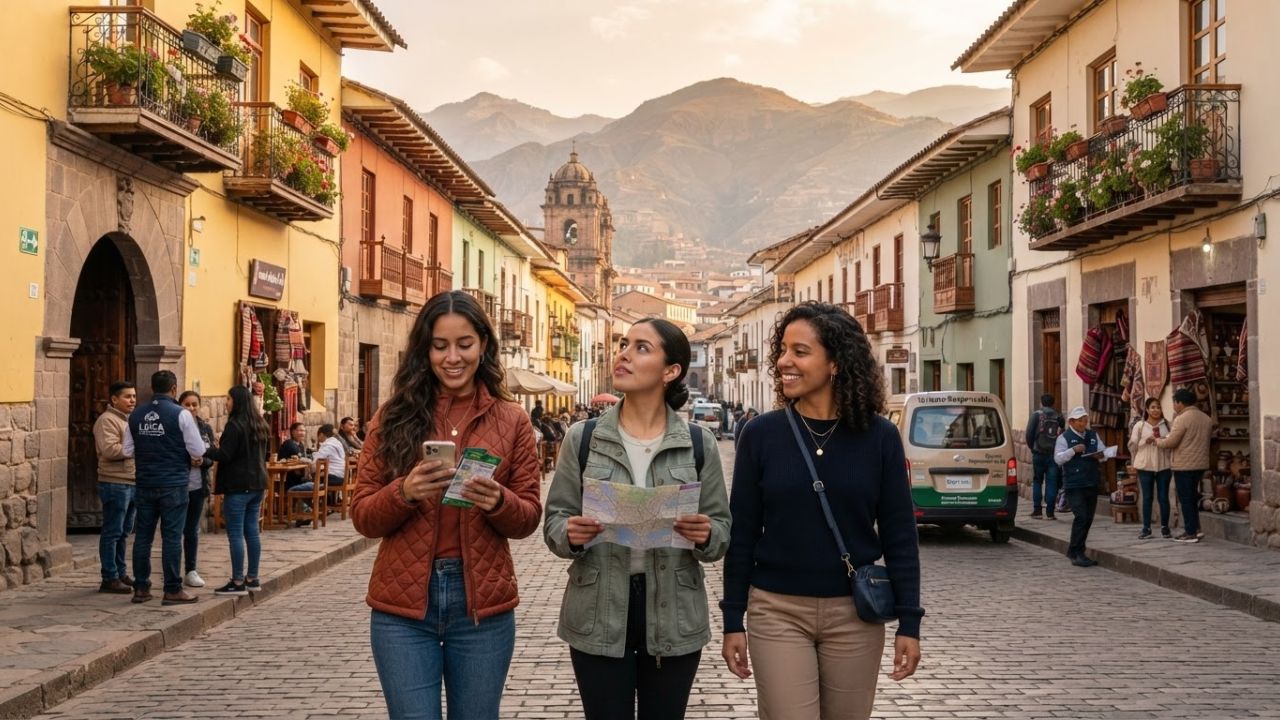
As international travel across the Andean and Pacific basins continues to expand, the United States Department of State has updated its regional advisory framework for South America, maintaining Peru, Ecuador, and Brazil at Level 2: Exercise Increased Caution and issuing targeted regional security guidance for Colombia and Venezuela. While the warnings highlight isolated concerns regarding organized crime, express kidnapping, and illicit trafficking in remote border pockets, consular authorities emphasize that premier cultural corridors—including Machu Picchu, the Galápagos Islands, and Cartagena—remain active, secure, and fully open to global visitors.
The coordinated updates signal a growing emphasis on geographical precision within international travel planning. Rather than treating entire South American nations as homogenous risk environments, official guidance encourages travelers to distinguish between volatile administrative borders and heavily safeguarded heritage zones. By relying on licensed transportation providers, booking accredited expedition leaders, and understanding destination nuances, international explorers can navigate South America’s extraordinary archaeological and natural riches with confidence.
Comparative Advisory Breakdown: Navigating Security Realities Across South America
The State Department’s advisory system assigns clear classifications to South American destinations, reflecting distinct regional challenges while preserving access to major tourism arteries:
| Country | Current US Advisory Level | Primary Highlighted Risk Factors | Tourism Corridors Generally Affected | Operational Traveler Guidance |
|---|---|---|---|---|
| Peru | Level 2: Exercise Increased Caution | Street crime, civil unrest, kidnapping, drug trafficking | Isolated VRAEM river basin and Colombia border in Loreto; Cusco and Machu Picchu fully open | Utilize registered trains, certified guides, and app-based city transport |
| Ecuador | Level 2: Exercise Increased Caution | Violent crime, organized criminal factions, kidnapping | Specific coastal provinces and border districts; Galápagos Islands and historic Quito secure | Stick to verified cruise platforms and accredited highland heritage routes |
| Colombia | Higher Caution in Specific Regions | Armed groups, crime, kidnapping, border friction | Rural border regions and specific departments; Cartagena, Bogotá, and Coffee Axis welcoming | Avoid overland border crossings; travel between major urban hubs by commercial air |
| Venezuela | Level 3: Reconsider Travel | Violent crime, kidnapping, infrastructure instability, limited healthcare | Widespread across multiple interior and border departments | Non-essential leisure travel discouraged; consular support severely restricted |
| Brazil | Level 2: Exercise Increased Caution | Urban theft, robbery, isolated border hazards | Specific favelas and remote border tracts; primary cultural and coastal zones active | Avoid walking isolated beaches after dark; use official rideshares in major cities |
In Peru, the advisory explicitly confirms that core tourist circuits—anchored by Cusco, the Sacred Valley of the Incas, and the Inca Trail to Machu Picchu—remain hundreds of miles removed from the Valley of the Apurímac, Ene and Mantaro Rivers (VRAEM) and the remote Loreto border sector.
In Ecuador, while specific coastal provinces have experienced security friction linked to organized narcotics transit, the Galápagos Islands—located nearly 1,000 kilometers offshore—operate as an internationally protected, tightly controlled eco-sanctuary with virtually zero violent crime. Similarly, colonial heritage centers like Cuenca and the historic core of Quito maintain dedicated tourist police patrols.
In Colombia, despite ongoing monitoring of rural armed networks in border zones, urban destinations like Cartagena de Indias, Medellín’s heritage districts, and the Coffee Cultural Landscape (Eje Cafetero) continue hosting international conferences, cultural festivals, and millions of global leisure travelers.
Crime Mitigation: Understanding Express Kidnappings and Urban Scams
A key focus of the updated consular advisories involves mitigating opportunistic crime in South American metropolises. Authorities highlight the prevalence of "express kidnappings," an extortion tactic where victims are temporarily detained—often after entering an unregistered street cab or accepting a drink from a stranger—and forced to withdraw cash from automated teller machines before being released.
Regional tourism ministries—including PROMPERÚ, ProColombia, and Ecuador’s Ministry of Tourism (MINTUR)—have partnered with municipal authorities to deploy specialized tourism police battalions (Policía de Turismo) across historic districts, airport terminals, and transit hubs. To insulate themselves from risk, travelers are advised to adopt basic defensive travel habits:
- Avoid Unofficial Street Cabs: Never hail random street taxis from curbsides, especially outside airports, nightclubs, or intercity bus terminals. Use hotel-arranged private transport or reputable app-based services (such as Uber or Cabify) that record driver credentials and GPS route tracking.
- Secure Banking Habits: Access automated teller machines only during daylight business hours inside protected bank branches or major shopping centers, avoiding standalone street kiosks after dark.
- Cultural Discretion (No Dar Papaya): Heed the famous Colombian cultural adage no dar papaya ("do not present a tempting target"). Avoid wearing luxury jewelry, high-end watches, or visibly carrying expensive digital cameras in crowded municipal markets or unfamiliar neighborhoods.
Community-Based Tourism and Environmental Conservation
Navigating South America through community-led travel models provides direct economic support to host communities while ensuring superior traveler safety. When visitors book through accredited indigenous cooperatives and licensed local operators, they benefit from deep local knowledge of regional terrain and cultural boundaries.
In Ecuador's Amazon basin and the Galápagos Marine Reserve, sustainable tourism fees directly fund marine wildlife patrols, helping protect sea turtles, marine iguanas, and hammerhead sharks from illegal poaching. Community-managed eco-lodges operated by indigenous Kichwa and Achuar communities channel visitor expenditures into bilingual schools, clean water filtration, and solar power installations.
In Colombia's Sierra Nevada de Santa Marta and the high-altitude páramo ecosystems of the Andes, community-based trekking outfits employ former agricultural laborers and indigenous guides to lead visitors along coffee and cocoa trails. This economic multiplier creates durable livelihoods, turning local communities into passionate custodians of regional biodiversity and heritage.
Local Visitor Insider Tips: Seasons, Safety Codes, and Regional Gastronomy
To maximize the rewards of a South American journey across Peru, Ecuador, and Colombia, travelers should follow these expert recommendations:
- Optimal Shoulder-Season Windows: Plan Andean explorations during the shoulder dry months of May, September, or October. During these periods, travelers enjoy clear mountain skies, minimal rainfall, and comfortable temperatures averaging 18°C to 22°C (64°F to 72°F), while bypassing peak July and August tourist crowds. For the Galápagos Islands, April to May offers calm, warm waters for snorkeling, while September to November brings nutrient-rich currents that attract active marine life.
- Altitude Acclimatization Rules: Mountain capitals and gateways—such as Bogotá (2,640m), Quito (2,850m), and Cusco (3,400m)—require deliberate physical pacing. Spend the first 24 to 48 hours resting, drink plenty of water and herbal infusions (mate de coca or muña), avoid heavy alcohol consumption, and postpone strenuous mountain hikes until your body has adjusted to lower oxygen levels.
- Regional Culinary Specialties: Delight in the authentic gastronomic diversity of the continent. In coastal Peru, savor fresh ceviche clásico prepared with sea bass cured in fresh lime juice and served with giant corn kernels (choclo) and sweet potato. In Ecuador, sample ceviche de camarón, a soupy, citrusy shrimp preparation served with crunchy plantain chips (chifles) and toasted corn (tostado). In Colombia, warm up with a bowl of ajiaco santafereño (a hearty soup made with three varieties of native potatoes, shredded chicken, corn on the cob, capers, and cream) or enjoy fresh coastal seafood along Cartagena's historic ramparts.
- Hidden Under-the-Radar Escapes: Escape crowded tourist tracks by visiting Cuenca in southern Ecuador, a tranquil UNESCO World Heritage city renowned for its cobblestone colonial riverfronts and hand-woven toquilla straw hats (Panama hats). In Colombia, venture into the peaceful colonial town of Barichara in Santander, known for its whitewashed stone architecture and scenic canyon walks, or explore the mountain coffee haven of Minca in the Sierra Nevada.
A Twelve-Day Andean-Pacific Highlights Itinerary
For travelers seeking a comprehensive, secure circuit connecting South America’s cultural gems, this twelve-day itinerary links three of the continent's most stable and rewarding destinations:
- Days 1–3: Colonial Heritage and Gastronomy in Bogotá and Cartagena, Colombia. Land at El Dorado International Airport (BOG) in Bogotá. Spend day one exploring the Gold Museum and the historic La Candelaria district. On day two, board a short domestic flight to coastal Cartagena. Spend days two and three walking the 400-year-old stone fortifications of the walled city, touring the Palace of the Inquisition, and dining on fresh coastal Caribbean cuisine in the vibrant Getsemaní neighborhood.
- Days 4–6: Equatorial Architecture and the Galápagos Islands, Ecuador. Fly south to Quito to admire the ornate baroque interior of the Church of the Society of Jesus. On day five, board a morning flight from Mariscal Sucre Airport (UIO) to the Galápagos Islands (Baltra). Spend days five and six exploring Santa Cruz Island, observing giant tortoises in the highlands, and snorkeling alongside sea lions and marine iguanas in Tortuga Bay.
- Days 7–9: The Sacred Valley of the Incas, Peru. Fly from Ecuador to Lima and connect directly to Cusco. Descend immediately to the lower elevation of the Sacred Valley (Urubamba). Spend day seven acclimatizing amid rural farmsteads. On day eight, explore the salt evaporation terraces of Maras and the circular agricultural rings of Moray. On day nine, tour the living Inca fortress of Ollantaytambo before boarding the scenic Vistadome train to Aguas Calientes.
- Days 10–12: Machu Picchu and Imperial Cusco. Awaken early on day ten to tour the awe-inspiring terraces and stone temples of Machu Picchu alongside a certified guide. In the afternoon, return by train to Cusco. Spend days eleven and twelve walking the Plaza de Armas, admiring the precision stonework of the Qorikancha, visiting the megalithic walls of Sacsayhuamán, and browsing the artisan workshops of the San Blas artisan quarter before your departure connection through Lima.
Tourism Outlook: Informed Travel Anchoring South America's Visitor Economy
The United States' updated travel advisories for South America provide a realistic, balanced framework that empowers travelers to explore with discernment. By clearly separating isolated rural border regions from celebrated cultural epicenters, international authorities affirm that South America’s world-class destinations remain open, welcoming, and resilient.
As regional governments deepen their investments in tourism policing, sustainable transport, and community empowerment, destinations like Machu Picchu, the Galápagos Islands, and Cartagena stand ready to inspire. For the prepared traveler who balances curiosity with cultural respect and smart security habits, South America delivers an unmatched journey through ancient civilizations, vibrant living traditions, and breathtaking natural wonders.
Related Travel Guides
This article is for informational purposes. Flight routes, passenger regulations, visa rules, and transit advisories are subject to change by airlines and aviation authorities. Readers are advised to verify schedules and travel documentation with relevant carriers and border agencies before departure.
Related Stories
Miami Leads Colombia Tourism as US Inbound Arrivals Fall 9.3% in 2026: Florida Gateways Face Shifting Demand

Italy–Peru Direct Flight Talks: Unlocking Rome, Milan, and High-Speed Rail Two-City Itineraries