
Somalia Tourism Sector Records 40,000 Jobs as Digital Visas and Aviation Upgrades Open New Travel Prospects
Somalia Tourism Sector Records 40,000 Jobs as Digital Visas and Aviation Upgrades Open New Travel Prospects

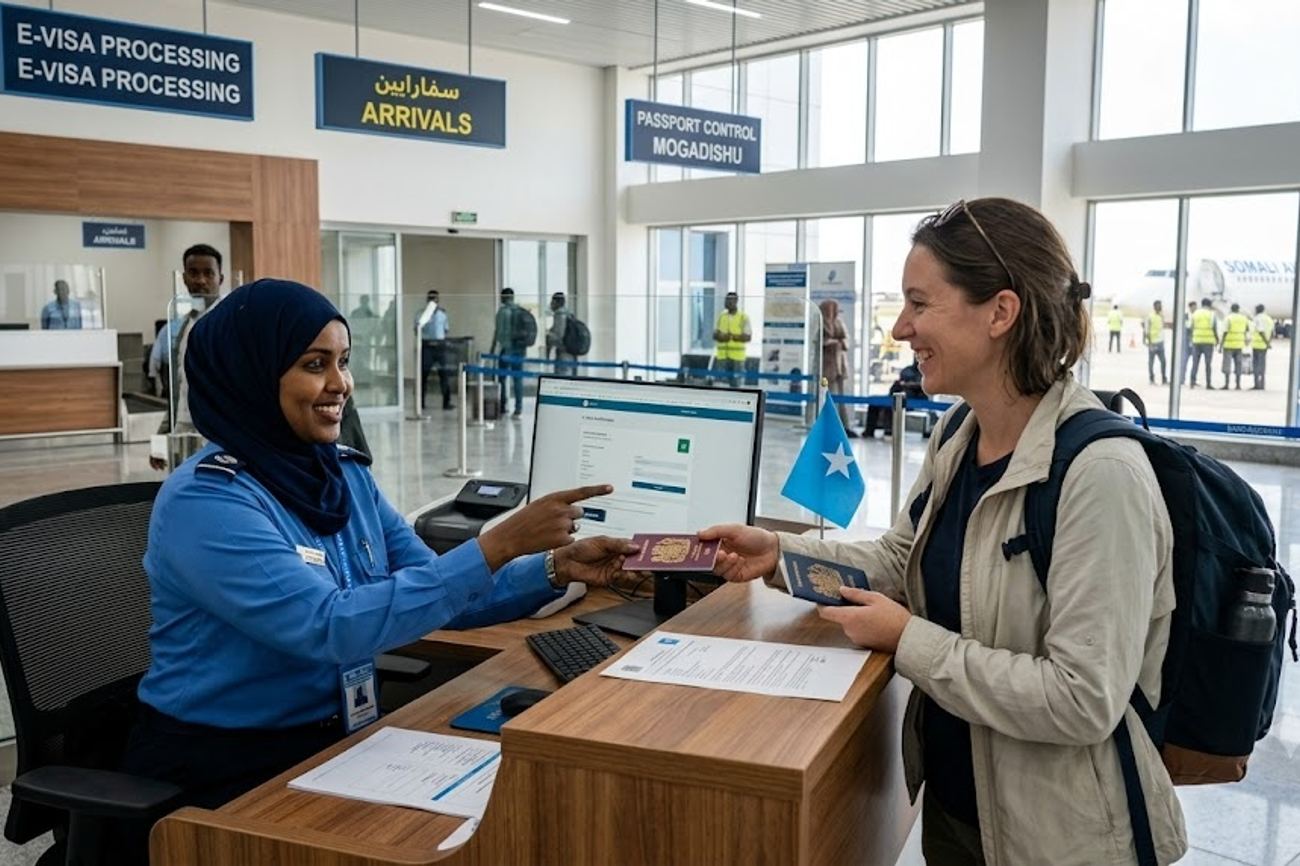
Image generated by AI
[Mogadishu, September 2026] — Somalia is aggressively pivoting its national identity toward international tourism, reporting that the sector now contributes 5.2% to the country's GDP and has generated over 40,000 jobs. The government is leveraging a combination of digital immigration reforms and a renewed focus on its 3,333-kilometre coastline to transition from a conflict-associated image to an emerging East African destination.
The strategic shift was highlighted during the Somalia Tourism Day celebrations in Mogadishu this month. Official data reveals a burgeoning visitor economy, with more than 125,000 international tourists and diaspora arrivals recorded in 2024. While the government notes that approximately 10,000 of these visitors were traditional tourists, the broader influx of diaspora members provides a critical financial foundation for the hospitality sector, which saw hotel establishments generate US$85 million in revenue.
The Economic Engine of Somali Tourism
The push to formalize the tourism industry is backed by significant capital flow and infrastructure growth. Beyond the hotel sector, the overall tourism industry's economic contribution has reached US$280 million. This growth is supported by an expanding accommodation base, with over 5,400 hotel rooms now available across major urban centers.
Current market data indicates a healthy demand for existing services, with an average hotel occupancy rate of 62.5%. The average room price is currently pegged at US$65 per night, providing a baseline for the country's market positioning as it competes with other regional hubs. Furthermore, the average international visitor now stays for 14 days, suggesting a high-value travel pattern that benefits local service providers.
To sustain this momentum, the government has registered 142 formal tourism establishments, attempting to move the industry away from informal arrangements toward a regulated, professional supply chain.
Targeted Destinations and Cultural Assets
Somalia is diversifying its appeal by promoting a mix of coastal, archaeological, and urban experiences. The government is focusing on four primary pillars to attract a wider demographic of international travelers:
- Coastal Tourism: Utilizing the extensive coastline along the Indian Ocean and the Gulf of Aden, with Kismayo serving as a primary hub for beach-goers and nature enthusiasts.
- Archaeological Sites: The Laas Geel cave paintings remain a cornerstone of the country's cultural draw, offering ancient rock art that appeals to history and adventure travelers.
- Historic Port Cities: Zeila is being repositioned as a key site for heritage tourism due to its ancient ruins and maritime history.
- Urban Gateways: Mogadishu continues to function as the primary entry point, blending business opportunities with coastal access.
The Somali Government is emphasizing that these assets allow the country to move beyond "sun and sand" tourism and offer a complex cultural narrative that resonates with modern, experiential travelers.
Modernizing the Border: Digital Visa Reforms
A critical bottleneck for international arrivals—the visa process—has been addressed through a systemic digital overhaul. On September 1, 2025, the Immigration and Citizenship Agency implemented a new Electronic Visa and Electronic Travel Authorisation System.
This digital transition removes the reliance on cumbersome paper-based applications and requires foreign nationals to secure entry authorization online prior to departure. By centralizing the process, the government aims to reduce uncertainty for passengers and streamline the boarding process for international airlines.
This reform is being mirrored by the Ministry of Information, which has integrated e-visa services directly into its tourism platforms. This synergy between the International Air Transport Association (IATA) standards for digital documentation and national policy is intended to make Somalia more competitive against other East African destinations.
What This Means for Travelers
For the average traveler or business nomad, the transition from a closed state to an emerging destination means a shift in how trips are planned and executed. The "aspirational" phase of Somali tourism is moving into a "functional" phase, but specific practicalities remain.
Entry and Documentation The most immediate impact is the mandatory use of the electronic travel authorization system. Travelers can no longer rely on arrival visas or slow embassy processing. All documentation must be handled digitally before the flight is booked.
Financial Planning While the Somali shilling is the official currency, the US dollar remains widely accepted and is the primary currency for hotel transactions and high-end services. Travelers should carry USD in cash, as international banking integration for point-of-sale terminals is still developing.
On-the-Ground Logistics The introduction of the Unified Tour Guide License is a significant development. Previously, guiding was fragmented by region. The new system allows certified guides to operate across different states, meaning travelers can now book multi-city itineraries (e.g., Mogadishu to Kismayo) with a single professional guide who has passed government assessment requirements.
Accommodation Expectations With an average room price of US$65 and a 62.5% occupancy rate, the market is tight in major cities. Travelers are advised to book well in advance, as the 5,400 available rooms are often occupied by business travelers and diaspora visitors.
The Roadmap to Professionalization
The next phase of Somalia's tourism strategy focuses on the "last mile" of the visitor experience. While the raw assets (beaches and ruins) exist, the government is now prioritizing the infrastructure that connects them.
Efforts are underway to improve road networks and digital connectivity between the capital and regional hubs like Zeila and Kismayo. The government is also focusing on the professionalization of the workforce through the aforementioned Unified Tour Guide License, which includes a rigorous online registration and assessment process.
The ultimate goal is to convert the current surge of diaspora-driven visits into a repeatable stream of leisure and business tourism. This requires a sustained commitment to security and destination management to ensure that the 125,000+ annual arrivals can be scaled safely.
FAQ: Visiting Somalia 2026
Do I need a visa to visit Somalia? Yes. All foreign nationals must apply for an Electronic Visa or Electronic Travel Authorisation through the official government portal before traveling. Paper-based applications have been largely replaced by this digital system.
What is the best way to handle money in Somalia? The US dollar is widely accepted and preferred for hotels and tourism services. While the Somali shilling is used for local transactions, carrying USD is highly recommended for international visitors.
Is it possible to visit multiple cities in one trip? Yes, provided you use a licensed guide. The new Unified Tour Guide License allows professionals to escort visitors across different regions, making multi-city itineraries from Mogadishu to Kismayo or Zeila more feasible.
What is the average cost of a hotel room? The current benchmark for hotel rooms in major Somali cities is approximately US$65 per night, though prices vary based on the level of security and amenities provided.
Somalia is betting that digital borders and cultural heritage can rewrite its global narrative.
#SomaliaTourism2026 #MogadishuTravel #EastAfricaTourism #SomaliEVisa #VisitSomalia #HornOfAfricaTravel
Related Travel Guides
Disclaimer
This article is for informational and educational purposes only. It does not constitute legal, financial, or professional advice. While we strive to provide accurate and up-to-date information, travel policies, regulations, and conditions change rapidly. Always verify information with official sources before making travel decisions. Nomad Lawyer makes no representations about the accuracy, reliability, completeness, or suitability of the information provided. Readers should consult qualified professionals for advice specific to their circumstances. The views expressed in this article are those of the author and do not necessarily reflect the views of Nomad Lawyer.
Raushan Kumar
Founder & Lead Developer
Full-stack developer with 11+ years of experience and a passionate traveller. Raushan built Nomad Lawyer from the ground up with a vision to create the best travel and law experience on the web.
Learn more about our team →