
Campbellton Canada Delivers an Untamed Escape Where Atlantic Salmon Meet Mountain Trails
Campbellton Canada Delivers an Untamed Escape Where Atlantic Salmon Meet Mountain Trails

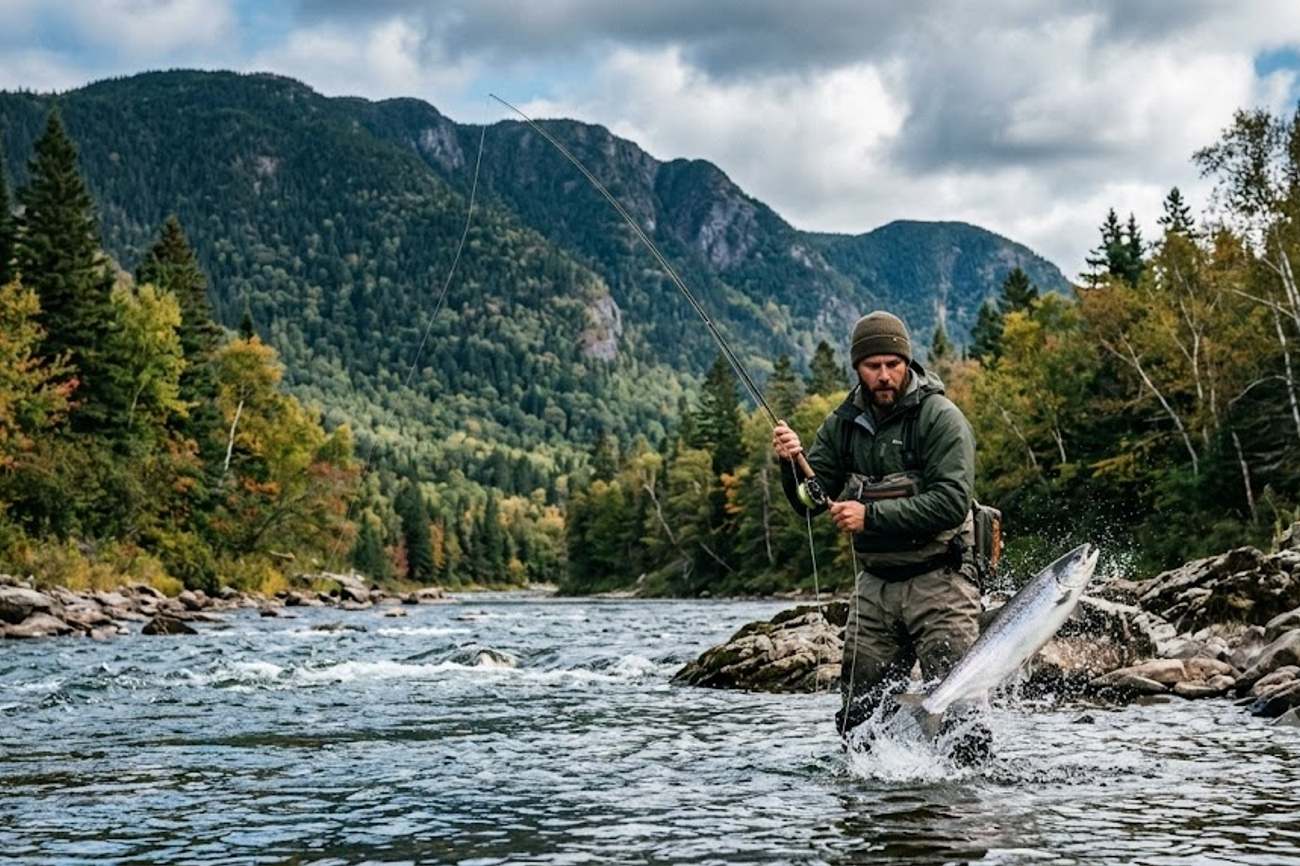
Image generated by AI
The skyline of Campbellton is dominated by Sugarloaf Mountain, which is not merely a peak but an ancient extinct volcano. This geological anomaly anchors a city that functions as a seamless bridge between the rugged wilderness of northern New Brunswick and the refined comforts of a waterfront hub. While most visitors to Atlantic Canada gravitate toward the coast, those who venture this far north find a rare intersection where the Restigouche River meets Chaleur Bay, placing them exactly on the border of Quebec.
The Four-Season Shift in Northern New Brunswick
Campbellton is currently redefining itself as a year-round destination, breaking the traditional Canadian cycle where small towns sleep through the winter. The catalyst for this shift is Sugarloaf Provincial Park. Because the park is situated so close to the city center, it has transformed the local economy from a summer-only retreat into a permanent outdoor playground.
During the warmer months, the focus is on the ascent. The park offers a network of trails for hiking, running, and cycling that carve through dense forests before opening up to panoramic views of the Restigouche Valley. For those seeking high-adrenaline movement, mountain biking trails provide a rigorous challenge, while families typically stick to the gentler perimeter walks. The logistical advantage here is the "basecamp" effect: visitors can spend ten hours immersed in the wild, then return to a city hotel for a hot meal and a bed, removing the need for backcountry survival gear for the casual tourist.
When the temperature drops, the mountain undergoes a complete identity change. The slopes become a hub for skiing, snowboarding, and snowshoeing. The addition of cross-country skiing and snowmobiling trails ensures that the city remains a draw for regional travelers who want a winter escape without the exorbitant costs and crushing crowds of the massive resorts found in the Rockies or the Laurentians. This year-round viability supports a stable ecosystem of local guides, boutique shops, and hospitality providers who no longer have to rely on a three-month window of revenue.
The Restigouche Identity and the Salmon Legacy
To understand Campbellton, one must understand the Restigouche River. This waterway is not just a scenic backdrop; it is a global destination for Atlantic salmon angling. The river's clear waters and specific currents have created a specialist tourism market that attracts anglers from across the globe. For these visitors, the trip is less about "sport" and more about a meditative connection with one of the most famous salmon landscapes in North America.
The city honors this obsession at Salmon Plaza. The centerpiece is Restigouche Sam, a stainless-steel sculpture of an Atlantic salmon standing 8.5 metres tall. While it serves as the primary photo opportunity for tourists, it functions as a cultural marker for the locals, symbolizing the river's role in the city's economic survival and heritage. Walking the waterfront trail around the plaza allows visitors to transition from the urban environment to the river's edge in a matter of minutes, providing a space for photography and sunset watching that feels detached from the pace of city life.
The city's geography also creates a unique cross-border experience. The J.C. Van Horne Bridge connects New Brunswick to Quebec, allowing travelers to experience two distinct provincial cultures in a single afternoon. This positioning makes Campbellton a strategic stop for those navigating the Gaspésie region or exploring the wider maritime provinces. The resulting cultural blend is a rich mix of Scottish, Irish, English, French, Acadian, and First Nations influences, which manifests in the local architecture, dialects, and community spirit.
Visitor Insider Tips
To experience Campbellton like a local rather than a passing tourist, timing and preparation are everything.
Timing the Visit: If you want to see the city at its most electric, plan your trip around the Campbellton Salmon Festival. The 2026 dates are set for 28 June to 5 July. This is when the waterfront transforms into a carnival with live music and community events. However, for those seeking the "quiet nature" the region is known for, the window between September and early October offers the best autumn foliage on Sugarloaf Mountain with far fewer crowds.
Angling Etiquette: If you plan to fish the Restigouche, do not simply show up with a rod. The river is managed with strict conservation rules. You must secure your licenses and fishing access well in advance. Hiring a local guide is not just recommended—it is practically essential for navigating the specific river sections and respecting local fishing protocols.
Transport and Logistics: The best way to explore the region is via a rental car, as public transport between the city and the provincial park is limited. When crossing the J.C. Van Horne Bridge into Quebec, keep in mind that the atmosphere changes quickly; while English is widely spoken, a few phrases of French will go a long way in the smaller villages across the river.
Where to Base Yourself: Stay within the city limits of Campbellton rather than in remote lodges if you prefer a mix of nature and amenities. This allows you to utilize the waterfront trails for morning exercise and the local restaurants for evening dining, all while remaining within a short drive of the New Brunswick provincial park system.
Cultural and Environmental Context
The relationship between Campbellton and its environment is a delicate balance of exploitation and preservation. The Atlantic salmon is a biological indicator of the river's health, and the city's economy is inextricably linked to the survival of this species. Tourism here is not about high-volume foot traffic but about "low-impact, high-value" visits.
The reliance on Sugarloaf Provincial Park for year-round tourism puts pressure on the local forest ecosystems. However, the city has leaned into a model of sustainable outdoor recreation, encouraging visitors to stay on marked trails to protect the volcanic soil and native flora. The integration of the First Nations' history into the regional narrative is also a growing point of focus, as the community recognizes that the Restigouche River was a lifeline for indigenous peoples long before the arrival of Scottish or Acadian settlers. By positioning itself as a gateway to the wild rather than a destination for mass tourism, Campbellton manages to preserve its small-town rhythm while welcoming the world.
FAQ: Visiting Campbellton 2026
What is the best time to visit? For festivals and warmth, late June to early July (specifically during the Salmon Festival). For outdoor sports and foliage, September is ideal. For skiing and snowboarding, January and February offer the most reliable snowpack on Sugarloaf Mountain.
Do I need a visa to visit? Visitors must follow Canadian federal entry requirements. Most travelers require an eTA (Electronic Travel Authorization) or a visa depending on their citizenship. Check the official Government of Canada website for current regulations.
How do I get there from Moncton or Fredericton? The most efficient way is by car. From Moncton, it is a scenic drive north through New Brunswick. Ensure you have a reliable vehicle, as the roads leading toward the Restigouche region are beautiful but can be remote.
Is it safe for solo travelers? Yes, Campbellton is very safe. The city has a welcoming, community-focused atmosphere. Solo hikers are encouraged to stay on marked trails in Sugarloaf Provincial Park and notify their accommodation of their planned routes for safety.
A place where the volcano meets the river, and the border is just a bridge away.
#Campbellton2026 #RestigoucheRiver #SugarloafMountain #NewBrunswickTravel #AtlanticCanadaOutdoors #SalmonFestival
Related Travel Guides
- Watson Lake Opens a Hidden Yukon World of Signs Wild Trails and Northern Skies
- Philippines Tourism Surges From Within as Filipinos Turn 100 Million Domestic Trips Into a Powerful Travel Boom
- Lord Howe Island in NSW or Freycinet Peninsula in Tasmania are Showing Visitor Caps the Future of Travel Across Micro-Destinations in Australia
Disclaimer
This article is for informational and educational purposes only. It does not constitute legal, financial, or professional advice. While we strive to provide accurate and up-to-date information, travel policies, regulations, and conditions change rapidly. Always verify information with official sources before making travel decisions. Nomad Lawyer makes no representations about the accuracy, reliability, completeness, or suitability of the information provided. Readers should consult qualified professionals for advice specific to their circumstances. The views expressed in this article are those of the author and do not necessarily reflect the views of Nomad Lawyer.
Preeti Gunjan
Contributor & Community Manager
A passionate traveller and community builder. Preeti helps grow the Nomad Lawyer community, fostering engagement and bringing the reader experience to life.
Learn more about our team →