
Somali Airlines to Resume Commercial Passenger Flights in September 2026 After 35-Year Gap
Somali Airlines prepares to relaunch passenger services in mid-September 2026 with two Airbus A320 aircraft, ending a 35-year operational hiatus.

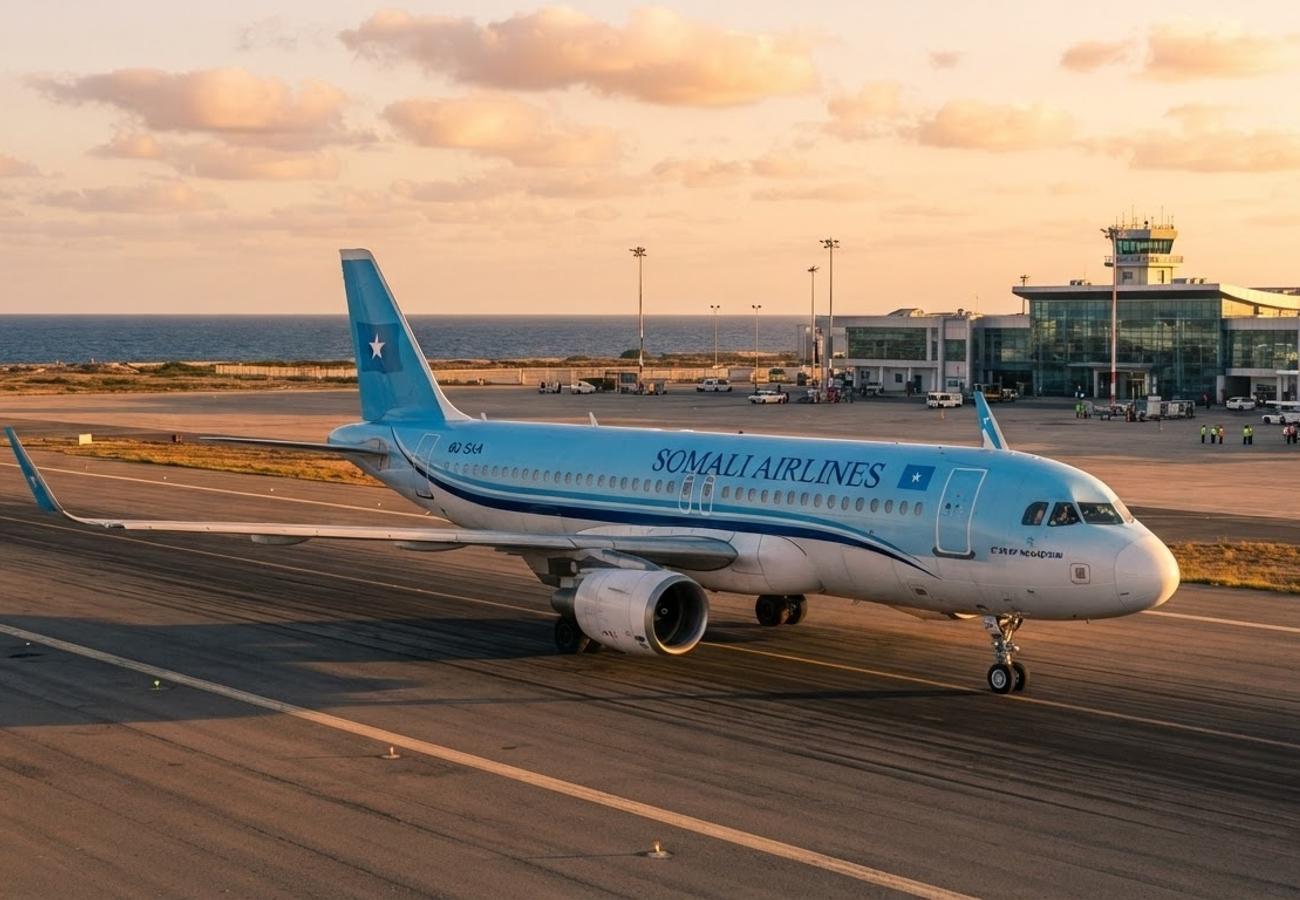
Image generated by AI
The Somali flag carrier is set to return to the skies in mid-September 2026, ending a 35-year suspension of passenger services. This relaunch signals a major shift in the region's aviation autonomy and the restoration of a national symbol dormant since 1991.
The Return of a National Icon
After more than three decades of silence, Somali Airlines is preparing for a phased commercial reentry. Founded in 1964, the airline ceased all operations in 1991 following the collapse of state institutions during the civil war. For 35 years, the country relied on a fragmented network of private operators and foreign carriers to connect Mogadishu with the rest of the world.
The federal government initiated the revival process in 2025, establishing the airline as a state-owned entity. To anchor this new era, the government has acquired two Airbus A320 aircraft. While an initial target for service began in late 2025, the complexity of rebuilding a national aviation infrastructure from the ground up led to delays. Current operational planning and route licensing now point toward a mid-September 2026 debut.
Strategic Fleet Expansion and Route Mapping
The relaunch is not merely symbolic; it is a calculated move to reduce dependence on foreign carriers and reclaim sovereignty over airspace management. According to regional aviation bulletins from the Arab Civil Aviation Organization issued in March 2026, the airline intends to supplement its two A320s with an additional two or three aircraft later in 2026 to stabilize its network.
The rollout will follow a strict hierarchy of connectivity:
| Phase | Focus Area | Target Destinations | Primary Passenger Base |
|---|---|---|---|
| Phase 1 | Domestic Connectivity | Hargeisa, Garowe, Kismayo | Government, Business, Humanitarian |
| Phase 2 | Regional Expansion | Ethiopia, Kenya, Gulf Hubs | Diaspora, Students, Migrant Workers |
| Phase 3 | Long-Haul Ambitions | International Global Hubs | Investors, Cultural Tourists |
For the traveler, the real impact is the potential for increased competition. Until now, Mogadishu has been served primarily by Turkish and Gulf carriers. The introduction of a state-backed competitor could lead to more competitive pricing and more flexible scheduling for those traveling within the Horn of Africa.
Aviation Reform and Infrastructure Gains
The return of the flag carrier is supported by a decade of systemic reform. The Somali Civil Aviation Authority has worked with international partners to reclassify Somali airspace to meet international standards, a non-negotiable prerequisite for a viable national airline.
Parallel to these regulatory shifts, Aden Adde International Airport in Mogadishu has seen significant physical upgrades. These include:
- Apron Expansions: Increasing the number of aircraft that can be handled simultaneously.
- Runway Works: Enhancing safety and load-bearing capacities.
- Security Overhauls: Implementing modern protocols to align with global aviation norms.
Visitor Insider Tips
For those planning to travel to Somalia or utilize the new services in late 2026, keep these local insights in mind:
- Booking Windows: Given the history of timeline slips, avoid booking non-refundable connecting flights until the official timetable is visible in global distribution systems (GDS).
- Cultural Etiquette: When traveling domestically between Mogadishu and cities like Garowe or Hargeisa, be mindful of regional administrative differences; carry all necessary permits and identification.
- Off-Peak Travel: The best window for visiting Somalia's coastline and cultural sites is typically during the cooler, drier months (November to February) to avoid the intense heat and monsoon rains.
- Local Dining: In Mogadishu, seek out traditional Sambuusas and fresh seafood from the coast, which are staples of the local culinary experience.
Tourism and Economic Outlook
The long-term goal of the Somali Airlines revival extends beyond passenger transport. The government views the airline as a catalyst for economic growth, specifically aiming to open new export channels and attract foreign investment. By establishing reliable long-haul links, Somalia hopes to market its extensive coastline and heritage sites to a global audience.
However, the airline enters a competitive market. With private regional carriers entering the fray in early 2026, the state carrier cannot rely on nostalgia alone. Success will depend on maintaining rigorous safety standards and operational reliability to win over a skeptical public and a demanding international community.
The skies over the Horn of Africa are opening, turning a 35-year silence into a new chapter of connectivity.
Related Travel Guides
Disclaimer
This article is for informational and educational purposes only. It does not constitute legal, financial, or professional advice. While we strive to provide accurate and up-to-date information, travel policies, regulations, and conditions change rapidly. Always verify information with official sources before making travel decisions. Nomad Lawyer makes no representations about the accuracy, reliability, completeness, or suitability of the information provided. Readers should consult qualified professionals for advice specific to their circumstances. The views expressed in this article are those of the author and do not necessarily reflect the views of Nomad Lawyer.
Kunal K Choudhary
Co-Founder & Contributor
A passionate traveller and tech enthusiast. Kunal contributes to the vision and growth of Nomad Lawyer, bringing fresh perspectives and driving the community forward.
Learn more about our team →