
SNUUG Launches Swiss SupernatureHotel Model for Eco-Friendly Luxury
Swiss firm SNUUG introduces the 'SupernatureHotel' concept in 2026, combining luxury modular design with sustainable community hosting in Switzerland.

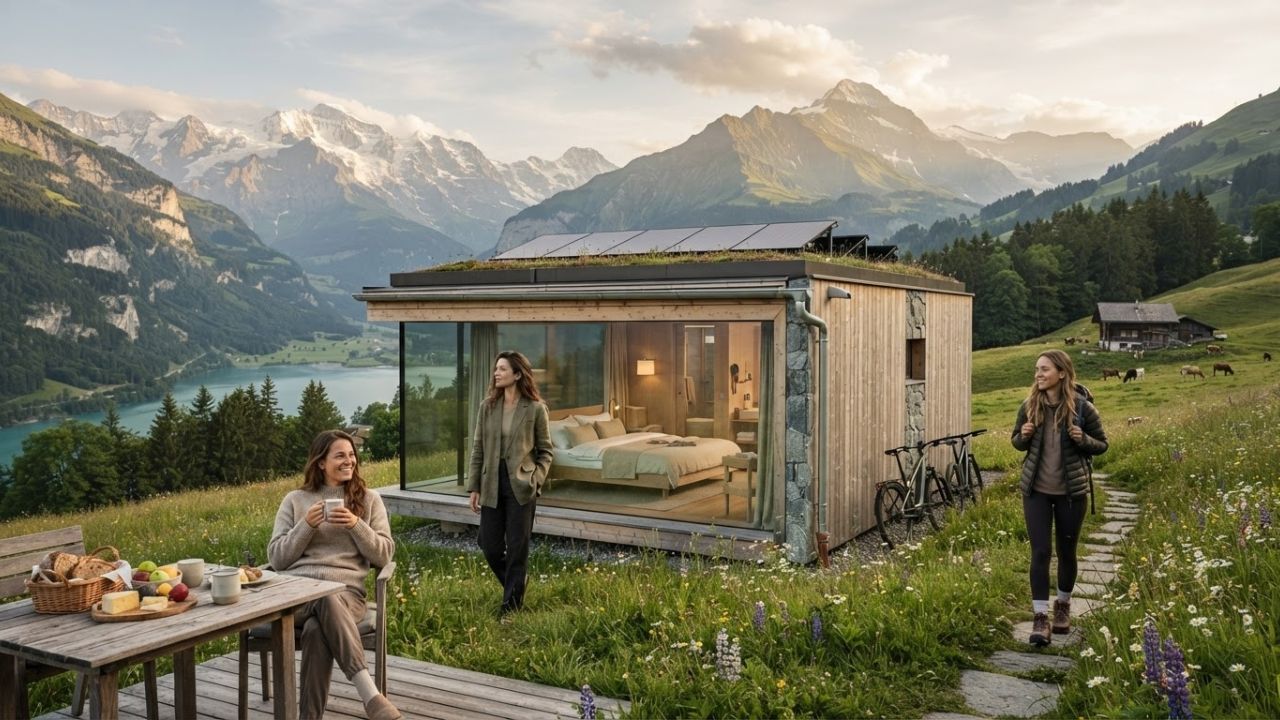
Image generated by AI
Swiss hospitality firm SNUUG is launching its innovative 'SupernatureHotel' concept in 2026, redefining eco-friendly luxury travel across Switzerland. Founded by Philippe Ossona de Mendez, the model combines solid Swiss wood architecture and renewable technologies with direct community-based hosting.
A major transition is occurring in the luxury accommodation sector, as travelers increasingly seek out nature-based escapes that respect local ecosystems. Rather than building massive permanent structures, developers are designing low-impact, modular guest suites that can be installed temporarily in unique natural settings. This approach allows visitors to experience the wilderness in comfort while ensuring that destinations suffer minimal ecological footprints.
Redefining Eco-Luxury Hospitality: The SupernatureHotel Concept
The core of the company's business model is building relationships between travelers, landowners, and regional communities. By partnering with local farmers, wine producers, and historical estates, the firm establishes temporary destinations where hosts act as "guardian angels" for visitors. This coordination gives guests access to local knowledge, artisanal products, and off-the-beaten-path experiences.
To support this network, the firm partnered with digital marketing agency Influence Society to develop an online platform. The platform handles bookings, coordination with local hosts, and provides information on incoming destinations. This digital system simplifies trip planning for visitors looking to explore Switzerland beyond conventional tourist districts.
Swiss Wood Architecture and Renewable Site Systems
The accommodation suites are constructed entirely in Switzerland, utilizing local materials such as solid Swiss wood. The modular design is optimized to minimize ecological impact, incorporating energy-saving systems, renewable power supplies, and efficient wastewater treatment facilities. By maintaining high environmental standards, the resort model aligns with policies from the Swiss Federal Office for the Environment (FOEN) to protect biodiversity.
Site selection is handled carefully, ensuring that suites are situated on pre-evaluated plots with minimal impact on local flora and fauna. When a suite is removed, the ground is restored to its original state, leaving no permanent construction marks. This model demonstrates how modern luxury can be combined with strict conservation principles.
Insider Planning and Destination Advice for Eco-Conscious Travelers
For travelers looking to experience this new style of luxury travel in Switzerland, destination specialists suggest the following guidelines:
- Booking Windows: The first suites are scheduled to open in 2026. Check the digital platform during the spring and autumn shoulder seasons when natural environments are particularly scenic.
- Low-Impact Transit: To minimize your carbon footprint, take advantage of Switzerland's highly efficient public transit network. The firm is partnering with local transport providers to support passenger connections via e-bikes and shuttle links.
- Support Local Producers: Support the local economy by purchasing fresh produce, honey, and wine directly from your community hosts, keeping travel revenues within regional farms and small businesses.
- Observe Leave-No-Trace Principles: When exploring the surrounding trails, stick to marked paths to protect sensitive alpine vegetation and local wildlife habitats.
Long-Term Outlook for Switzerland's Sustainable Tourism Sector
The launch of this concept aligns with broader efforts by Switzerland Tourism to promote sustainable travel. By distributing visitor arrivals across rural areas, destination planners can relieve pressure on crowded alpine resorts while generating new revenue streams for farming communities. This balanced, eco-centric approach establishes a new template for future hospitality growth in Europe.
Related Travel Guides
Disclaimer
This article is for informational and educational purposes only. It does not constitute legal, financial, or professional advice. While we strive to provide accurate and up-to-date information, travel policies, regulations, and conditions change rapidly. Always verify information with official sources before making travel decisions. Nomad Lawyer makes no representations about the accuracy, reliability, completeness, or suitability of the information provided. Readers should consult qualified professionals for advice specific to their circumstances. The views expressed in this article are those of the author and do not necessarily reflect the views of Nomad Lawyer.
Kunal K Choudhary
Co-Founder & Contributor
A passionate traveller and tech enthusiast. Kunal contributes to the vision and growth of Nomad Lawyer, bringing fresh perspectives and driving the community forward.
Learn more about our team →