
Tunisia Diversifies Tourism with New Roman Heritage Trails and Cultural City Breaks in 2026
Tunisia is shifting its tourism strategy beyond beach resorts, introducing structured heritage walking trails at Uthina and expanding cultural circuits across Tunis and Sidi Bou Said.

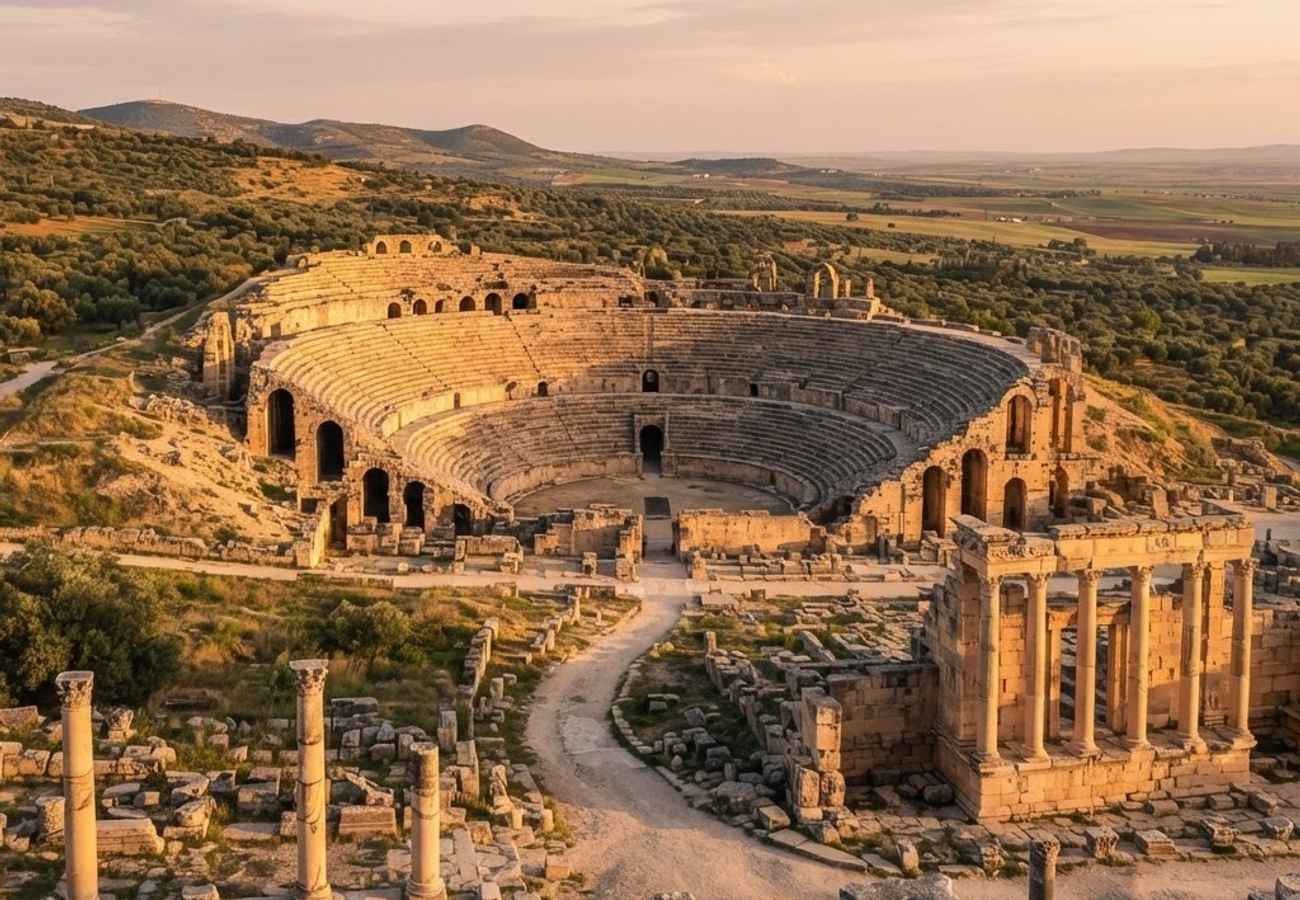
Image generated by AI
Tunisia is pivoting away from the traditional "sun and sand" model to attract a new wave of cultural explorers. By transforming ancient Roman ruins into structured walking experiences and promoting integrated city breaks, the nation is positioning its deep historical layers as its primary draw.
The Tunisian tourism sector is undergoing a strategic evolution. While the Mediterranean coast remains a staple, there is a concerted effort to market the interior and urban centers through heritage trails, archaeological sites, and curated neighborhood experiences. This shift targets independent travelers who prioritize historical immersion over resort-based vacations.
Uthina: Transforming Ruins into Interactive Experiences
The archaeological site of Uthina (also known as Oudhna), located approximately 30 kilometers southwest of Tunis, is the centerpiece of this new approach. Rather than serving as a brief stop for historians, Uthina is now being marketed as a comprehensive walking experience.
The site provides a vivid window into Roman North African urbanism, featuring:
- A massive hillside amphitheater designed for thousands of spectators.
- A Capitolium and extensive public baths.
- Ancient cisterns, residential houses, and intricate mosaics.
By introducing a dedicated heritage walking route, Tunisia is diversifying its inland offerings. This structured approach allows Uthina to act as a complementary destination to more famous sites like Carthage and El Jem, encouraging longer stays and deeper exploration of the Roman empire's footprint in Africa.
The Tunis Cultural Circuit: Medina, Bardo, and Sidi Bou Said
For those seeking a compact city break, Tunis offers a high concentration of world-class heritage sites that can be navigated in a single trip.
The UNESCO Medina
The Medina of Tunis, inscribed on the UNESCO World Heritage List in 1979, remains the city's cultural anchor. As one of the earliest Arab-Muslim towns in the Maghreb, it is characterized by a dense network of:
- Historic mosques and madrasas.
- Traditional palaces and residential houses.
- Vibrant souks specializing in local handicrafts.
The Bardo National Museum
Located just a few kilometers from the city center, the Bardo National Museum provides the necessary historical context for the region's ruins. It is globally renowned for its collection of Roman mosaics and artifacts spanning the prehistoric, Punic, Roman, Byzantine, and Islamic eras.
The Coastal Charm of Sidi Bou Said
To balance the dense urban history of the capital, visitors often detour to Sidi Bou Said. Perched above the Gulf of Tunis, this village is famous for its iconic blue-and-white architecture and Mediterranean vistas. Its proximity to both Tunis and the ruins of Carthage makes it an ideal anchor for a multi-stop day itinerary.
Expanding the National Heritage Network
The development of the Uthina trail is part of a broader national strategy to distribute tourism revenue beyond the coast. Tunisia currently boasts nine UNESCO World Heritage properties, creating a vast circuit for cultural travelers.
Notable sites within this network include:
- Dougga: A major Roman-era destination in the north.
- El Jem: Home to one of the world's most impressive Roman amphitheaters.
- Kairouan: A spiritual and architectural center.
- Sousse and Sfax: Both featuring historic medinas.
This expanded circuit encourages visitors to build multi-day itineraries that traverse different historical epochs, benefiting local guides, museums, and boutique accommodations in inland regions.
Essential Visitor Information for Tunis
Travelers planning a cultural circuit in 2026 should consider the following logistics:
Logistics and Access
- Gateway: Tunis-Carthage International Airport serves as the primary entry point for the capital and surrounding archaeological zones.
- Currency: The local currency is the Tunisian dinar (TND).
- Transport: A mix of public transport, taxis, and organized excursions connect the city to Uthina, Dougga, and El Jem.
Tunisia Heritage Quick Facts
| Metric/Detail | Data |
|---|---|
| Distance from Tunis to Uthina | 30 km |
| UNESCO World Heritage Sites | 9 |
| Medina of Tunis UNESCO Status | Since 1979 |
| Primary International Gateway | Tunis-Carthage International Airport |
| Key Urban Attractions | Medina, Bardo Museum, Sidi Bou Said |
| Featured 2026 Site | Uthina (Oudhna) |
Strategic Timeline of Cultural Development
- 1979: Dual UNESCO World Heritage recognition for both the Medina of Tunis and the ruins of Carthage.
- 2026: Expansion of heritage tourism initiatives, specifically the launch of structured visitor experiences at Uthina.
- 2026: Consolidation of the Tunis-Sidi Bou Said-Carthage circuit as a premier global city-break destination.
Tunisia is successfully rebranding itself from a beach destination into a living museum of Mediterranean civilization.
Related Travel Guides
Disclaimer
This article is for informational and educational purposes only. It does not constitute legal, financial, or professional advice. While we strive to provide accurate and up-to-date information, travel policies, regulations, and conditions change rapidly. Always verify information with official sources before making travel decisions. Nomad Lawyer makes no representations about the accuracy, reliability, completeness, or suitability of the information provided. Readers should consult qualified professionals for advice specific to their circumstances. The views expressed in this article are those of the author and do not necessarily reflect the views of Nomad Lawyer.
Raushan Kumar
Founder & Lead Developer
Full-stack developer with 11+ years of experience and a passionate traveller. Raushan built Nomad Lawyer from the ground up with a vision to create the best travel and law experience on the web.
Learn more about our team →