
Senegal Expands Heritage Tourism Beyond Dakar
Senegal Expands Heritage Tourism Beyond Dakar

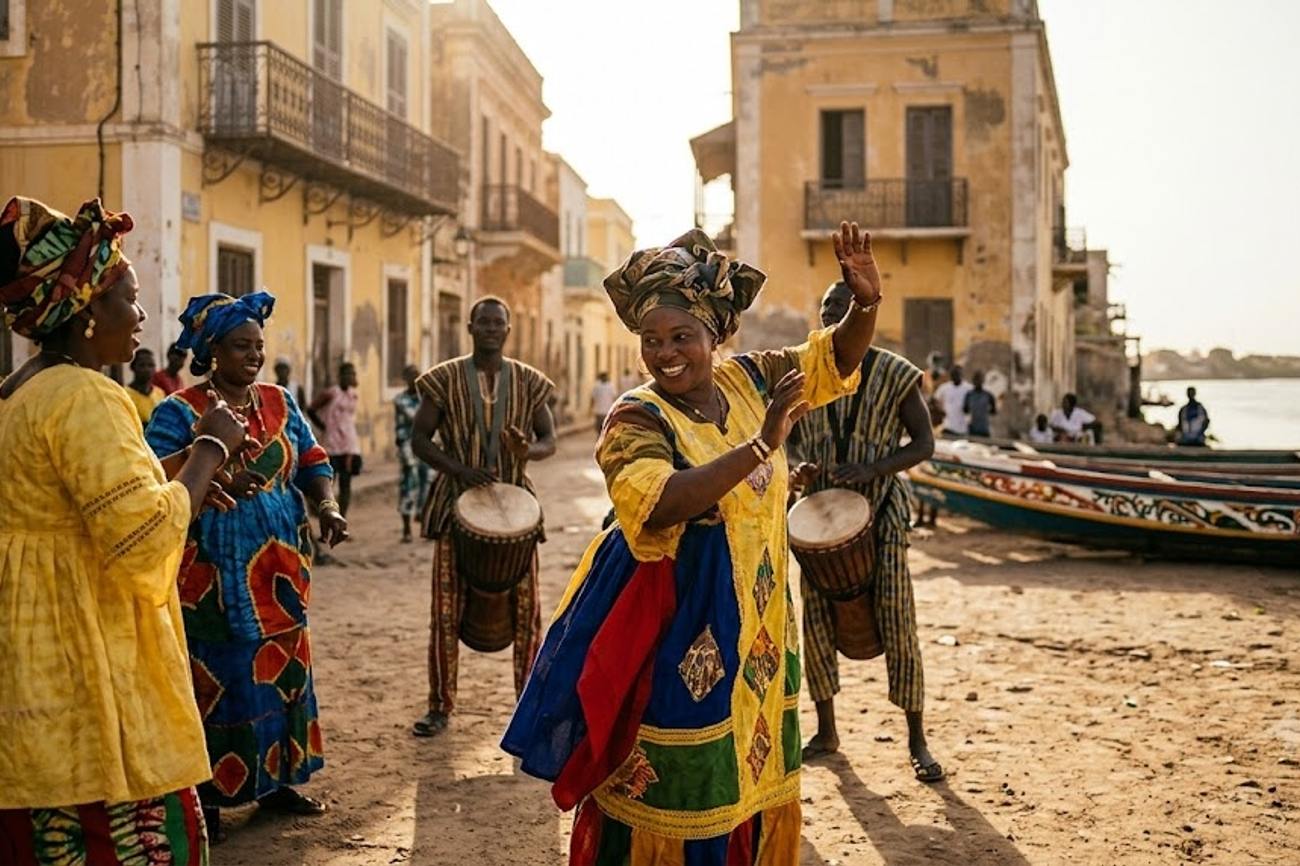
Image generated by AI
September 2026 marks the official expansion of Senegal’s southern tourism circuits, a strategic pivot designed to decouple the nation's travel economy from its heavy reliance on the Dakar metropolitan hub. By integrating the Saloum Delta and the Casamance region into a cohesive, long-form itinerary, the Senegalese tourism sector is attempting to redistribute visitor spend and foot traffic toward fragile ecological zones and rural community hubs. This shift represents a transition from "gateway tourism"—where visitors remain within a short radius of the capital—to a distributive model that leverages the country's diverse geographical assets.
The Saloum Delta: Ecological and Archaeological Integration
The Saloum Delta serves as the primary anchor for this new strategic direction. Located south of Dakar, this region is a complex interface of mudflats, islands, and mangroves where fresh water meets the Atlantic. The area is not merely a biological reserve but a historical archive; it is designated as a dual cultural and natural site by UNESCO, reflecting a symbiotic relationship between the environment and human settlement.
The delta's primary draw for the 2026 expansion is its "shell midden" landscapes. These archaeological burial mounds and ancient settlement sites provide a tangible record of populations that inhabited the region centuries ago. By linking these sites with boat-based excursions through narrow mangrove waterways, Senegal is positioning the delta as a destination for "heritage travelers"—a demographic typically characterized by higher spending and longer average stays than the standard leisure tourist.
The logistics of the delta experience are dictated by the environment. Rather than road-based transit, the movement of visitors is shaped by tidal rhythms and the navigation of waterways. This slows the pace of travel, effectively increasing the "dwell time" in rural areas and creating a direct economic pipeline to the local boat operators and guides who manage these excursions.
Casamance and the Cap Skirring Pivot
Further south, the Casamance region provides a tropical counterpoint to the wetlands of the Saloum Delta. While the region has long been known for its Atlantic coastline, the 2026 strategy seeks to evolve the perception of Cap Skirring. Traditionally viewed as a standalone beach destination, Cap Skirring is being repositioned as a gateway to the wider Casamance interior.
The region's value proposition rests on three distinct pillars:
- Tropical vegetation and riverine ecosystems.
- Local architectural heritage and traditional music/crafts.
- Community-led hospitality models.
The transition toward community-led tourism is a deliberate move to bypass the "resort bubble." By encouraging visitors to utilize rural settlements and local architecture rather than exclusive hotel complexes, the state aims to ensure that the economic benefits of tourism reach the village level. This model reduces the leakage of tourism revenue to international hotel chains and keeps capital within the regional economy.
Expert Analysis: The Economics of De-centralized Tourism
For travelers booking these routes, the direct consequence of this shift is a move away from the "hub-and-spoke" travel pattern. Historically, Dakar acted as the hub, with short excursions radiating outward. The 2026 circuit transforms this into a linear progression: Dakar $\rightarrow$ Saloum Delta $\rightarrow$ Casamance $\rightarrow$ Cap Skirring.
The pricing pressure this creates is twofold. First, the rise of eco-lodges—smaller, community-operated properties—introduces a more fragmented pricing structure. Unlike the standardized rates of Dakar's luxury hotels, these properties often operate on a more organic, service-inclusive model (meals, guides, and transport bundled together). Second, the reliance on boat-based transport in the Saloum Delta creates a niche market for specialized transit, which can increase the overall cost of the trip but distributes that cost across more local hands.
The Senegalese government is diversifying its tourism portfolio by promoting cultural sites in the Casamance and Saint-Louis regions to reduce congestion in the capital. Travelers can find detailed itineraries and regional guides through the official tourism portal of Senegal to explore these heritage landmarks.
From a regulatory and sustainability perspective, this expansion is a high-stakes gamble. Mangroves are critical carbon sinks and protectors of the shoreline. Increasing human traffic in these sensitive wetlands requires stringent management to avoid the "over-tourism" traps seen in other West African coastal zones. The success of this initiative depends on whether the International Air Transport Association (IATA) and local transport ministries can support the logistical flow of people moving south without overwhelming the rural infrastructure.
The strategic integration of archaeology (shell mounds) and ecology (mangroves) is a sophisticated marketing move. It transforms a "beach holiday" into a "cultural expedition," allowing Senegal to compete for a more affluent, conscientious traveler who is willing to pay a premium for authenticity and environmental stewardship.
Key Takeaways
- Strategic Timeline: The expanded southern tourism circuits are set for a major push in September 2026, focusing on moving traffic away from Dakar.
- Diversified Offerings: The itinerary blends the archaeological shell mounds of the Saloum Delta with the tropical beaches and river systems of Casamance.
- Hospitality Shift: There is a systemic move toward community-led eco-lodges and rural stays to maximize local economic retention.
- Environmental Focus: Mangrove ecosystems are being utilized as both a tourist attraction and a catalyst for conservation-based travel.
- Route Logic: The new travel flow encourages a south-bound journey, increasing the average length of stay per trip.
FAQ: Senegal Southern Circuits 2026
How do I get from Dakar to the Saloum Delta and Casamance? Travelers typically begin in Dakar and move south via road or domestic flights. The new 2026 circuits emphasize a linear journey, using a combination of vehicles and local boat excursions to navigate the delta and coastal regions.
What are "shell middens" in the Saloum Delta? Shell middens are archaeological mounds composed of shells, organic waste, and human remains. They serve as historical records of ancient populations and burial practices, making the Saloum Delta a significant site for cultural heritage.
Is Cap Skirring only for beach holidays? While famous for its sandy beaches, the new tourism model integrates Cap Skirring with village visits, mangrove boat trips, and local cultural encounters, turning it into a base for exploring the broader Casamance region.
What is the benefit of staying in an eco-lodge over a hotel? Eco-lodges in the southern regions are often community-led, meaning your spending directly supports local food producers, guides, and artisans, while providing a more immersive experience in Senegal's natural landscapes.
The shift from urban hubs to mangrove waterways signals a new era of distributive wealth and ecological storytelling in West African travel.
Tags: Saloum Delta 2026, Casamance Tourism, Cap Skirring, Senegal Eco-Lodges, UNESCO Saloum Delta, Dakar-Casamance Route
Related Travel Guides
Disclaimer
This article is for informational and educational purposes only. It does not constitute legal, financial, or professional advice. While we strive to provide accurate and up-to-date information, travel policies, regulations, and conditions change rapidly. Always verify information with official sources before making travel decisions. Nomad Lawyer makes no representations about the accuracy, reliability, completeness, or suitability of the information provided. Readers should consult qualified professionals for advice specific to their circumstances. The views expressed in this article are those of the author and do not necessarily reflect the views of Nomad Lawyer.
Kunal K Choudhary
Co-Founder & Contributor
A passionate traveller and tech enthusiast. Kunal contributes to the vision and growth of Nomad Lawyer, bringing fresh perspectives and driving the community forward.
Learn more about our team →