Scotland Advances £58 Million Highland Travel Upgrade with Electric Corran Ferry Tender Targeted for 2029 Entry

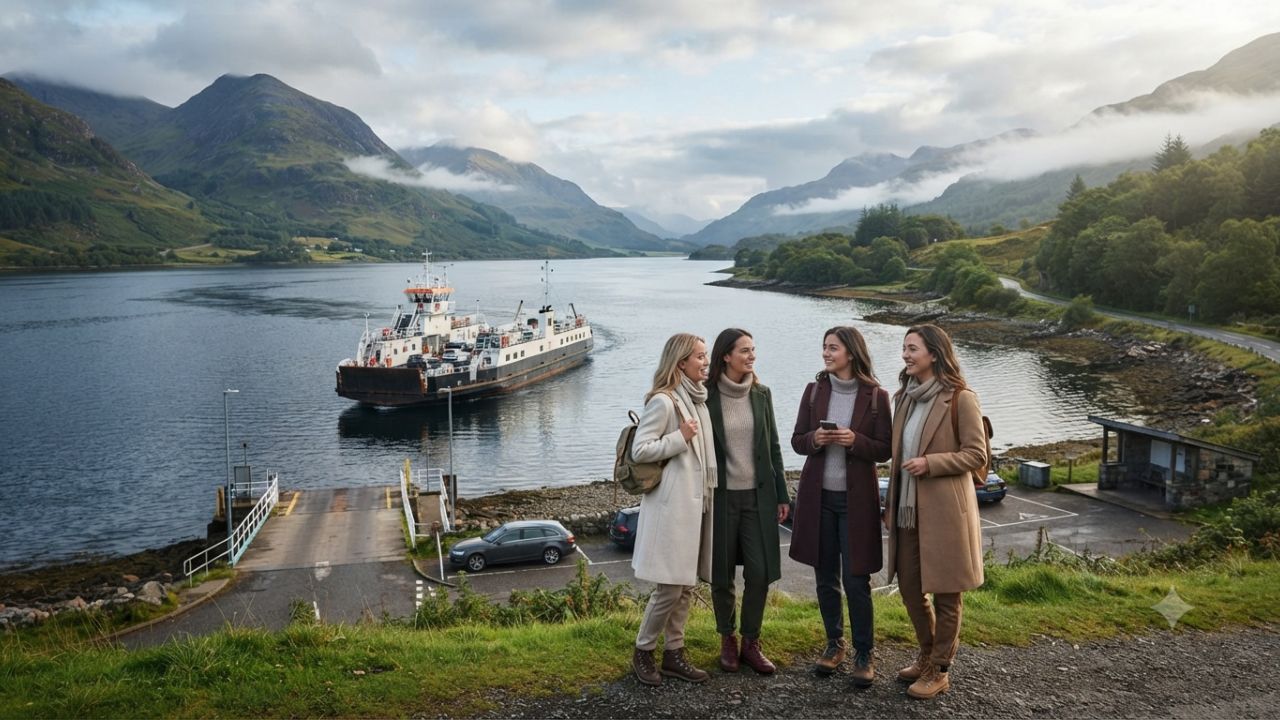
Highland Council launches a £58 million procurement tender for a new electric Corran Ferry and landside charging infrastructure targeted for early 2029 entry into service.
Highland Council has officially initiated the procurement tender for a new zero-emission electric vessel and landside infrastructure to serve the crucial Corran Ferry crossing in the Scottish Highlands. The £58 million project—jointly funded by the Scottish Government, the UK Government, and Highland Council—aims to replace the aging ferry infrastructure across Loch Linnhe by early 2029, eliminating two-hour road detours for tourists, local residents, and freight operators.
Corran Ferry Replacement Project Overview and Project Timeline
[FORT WILLIAM, October 4, 2026] — Highland Council, supported technically by Caledonian Maritime Assets Ltd (CMAL), formally opened the single-vessel procurement process on October 2, 2026. The 400-meter crossing across the Corran Narrows of Loch Linnhe connects Ardgour with Nether Lochaber, functioning as a vital transport artery linking Fort William with the Sunart, Ardnamurchan, and Morvern peninsulas.
| Project Component / Parameter | Metric / Financial Allocation | Strategic Impact & Operational Focus |
|---|---|---|
| Total Project Capital Investment | £58 Million Total Package | Includes vessel construction, slipway reconfigurations, and charging infrastructure. |
| Scottish Government Allocation | £28 Million Funding | Dedicated funding for the design and build of the new electric ferry vessel. |
| UK Government Allocation | £20 Million Funding | Dedicated for landside terminal upgrades and high-voltage charging equipment. |
| Highland Council Allocation | £10 Million Funding | Local capital contribution toward road marshalling and slipway improvements. |
| Annual Vehicle Throughput | ~270,000 Cars / ~11,000 Commercials & Buses | Substantial regional transport volume serving residents, haulage, and Highland tourism. |
| Crossing Distance & Duration | 400 Meters / 5-Minute Sailing Time | Alternative road detour via single-track roads takes up to 2 hours. |
| Future Relief Vessel Plan | MV Corran Retained as Backup | Provides permanent back-up capacity during maintenance and peak periods. |
Official Delivery Milestones and Implementation Schedule
The procurement announcement establishes a multi-stage project schedule extending through early 2029:
Corran Ferry Project Milestone Schedule:
• October 2, 2026: Single-Vessel Procurement Tender Officially Opened
• March 2027: Target Shipbuilding Contract Award (Subject to Procurement)
• June 2027: Landside Slipway Infrastructure Completion Target
• September 2028: High-Voltage Charging Installation & Commissioning
• Early 2029: New Electric Ferry Service Official Entry into Operation
While these dates represent planned engineering benchmarks rather than completed construction contracts, they provide tour operators, accommodation providers, and local communities with a clear timeline for infrastructure modernization.
Geographical Significance and Detour Prevention for Highland Travel
Located approximately seven miles south of Fort William, the Corran Ferry is a critical choke-point for travel across the Western Highlands. Without a reliable sailing, vehicles travelling between Fort William and Ardgour face a 42-mile road detour around Loch Eil and Loch Linnhe.
Transport Efficiency Comparison:
• Corran Ferry Sailing: 400 Meters (~5 Minutes)
• Overland Road Detour: ~42 Miles (~2 Hours via Single-Track Roads)
The road diversion relies heavily on single-track roads with passing places, which creates severe traffic congestion when heavy commercial vehicles or motorhomes are forced onto the overland route during ferry outages.
Landside Infrastructure and Slipway Upgrades
The £58 million capital investment addresses longstanding physical limitations at both the Corran and Ardgour slipways:
- Slipway Geometry Improvements: Existing slipway angles restrict compatibility with modern, straight-through double-ended vehicle ferries. The new infrastructure will feature re-engineered ramps allowing faster vehicle loading and discharge.
- Queuing and Marshalling Expansion: Current vehicle waiting areas overflow during peak summer months onto nearby access roads, impacting traffic flow along the A82 trunk road. Expanded landside marshalling lanes will accommodate seasonal traffic surges.
- High-Voltage Shore Charging: Substation upgrades and automated charging pantographs will be installed to rapidly recharge the vessel's battery banks during brief port turnarounds.
Operational Support and Backup Vessel Resilience Strategy
To prevent the service disruptions that have historically impacted Highland travel, the new electric vessel will operate alongside the existing MV Corran, which will be retained as a dedicated relief ferry. Having a permanent backup vessel positioned at Loch Linnhe will ensure continuous service during annual drydocking, scheduled maintenance, and unexpected mechanical repairs.
Impact on West Highland Touring Routes and Regional Tourism
The reliability of the Corran Ferry is directly tied to the economic vitality of the West Highlands, serving as a gateway for self-drive tourists, campervans, and organized coach tours:
- Gateway to the Ardnamurchan Peninsula: Ardgour serves as the primary entry point for travelers visiting the Ardnamurchan Lighthouse, Loch Sunart, and Castle Tioram.
- Connection to Isle of Mull Ferries: Many travelers utilize the Corran crossing to reach Lochaline, where CalMac operates the short ferry crossing to Fishnish on the Isle of Mull. A disruption at Corran impacts island ferry connections across the Inner Hebrides.
- Support for Outdoor Recreation: Adventure tourists accessing mountain climbing, sea kayaking, and hiking trails around Glencoe, Ben Nevis, and the West Highland Way rely on predictable crossing schedules.
By restoring long-term resilience to the crossing, Highland tourism operators expect improved visitor dispersal into remote peninsula communities, extending tourist stays beyond congested hubs like Fort William and Glencoe.
Freight, Emergency Logistics, and Local Economic Stability
Beyond leisure travel, the Corran Ferry is essential for daily commercial logistics across the Lochaber area. Carrying approximately 11,000 commercial vehicles and buses each year, the ferry supports:
- Timber and Agricultural Transport: Forestry haulage and livestock transport connecting western peninsulas with mainland processing hubs.
- Emergency Medical Access: Swift ambulance transport from rural communities in Ardgour and Morvern to Belford Hospital in Fort William.
- Local Service Delivery: Daily postal, fuel, and food supplies servicing remote Highland villages and island communities.
Current Passenger Guidance and Boarding Protocols
While procurement proceeds, current ferry operations remain subject to existing Highland Council protocols:
- First-Come, First-Served Boarding: Sailings cannot be reserved in advance for specific times.
- Priority Vehicles: Marked emergency services and scheduled service buses receive priority boarding.
- Peak Wait Times: Travelers are advised to allow extra journey time during morning and afternoon weekday commute windows and weekend travel periods.
Related Travel Guides
This article is for informational purposes. Flight routes, passenger regulations, visa rules, and transit advisories are subject to change by airlines and aviation authorities. Readers are advised to verify schedules and travel documentation with relevant carriers and border agencies before departure.
Related Stories

Phuket Luxury Tourism Surge 2026: High-Net-Worth Arrivals and New Aviation Routes

Mexico Ecotourism Market Projected to Hit USD 9.29 Billion by 2034 as Green Travel Surges