Saudi Arabia Teams Up With UAE and Other Nations to Boost Luxury Tourism Aviation

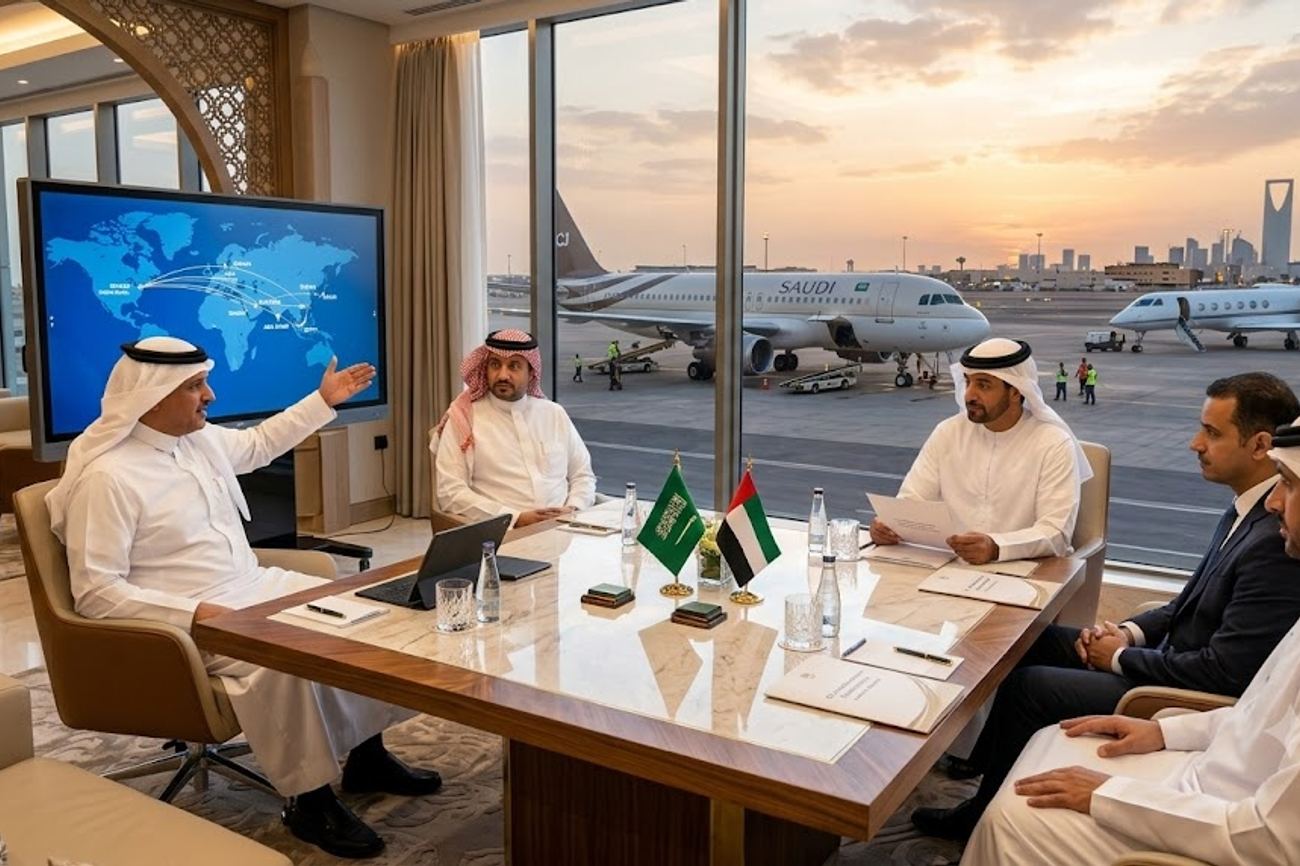
Image generated by AI
title: Saudi Arabia and UAE Forge Luxury Aviation Alliance for Eco-Tourism date: 2024-05-22 category: Aviation News [Riyadh, May 22] — Saudi Arabia has entered into a strategic aviation partnership with the United Arab Emirates and other regional states to accelerate the development of luxury tourism corridors linking global hubs to remote ecological destinations.
The initiative leverages massive national economic diversification projects to bypass traditional mass-transit hubs in favor of specialized, high-end gateways. By coordinating landing rights and flight schedules, the alliance aims to funnel high-net-worth international travelers directly into previously inaccessible coastal regions, eliminating the need for complex, multi-stop itineraries.
The Catalyst for Regional Aviation Shift
The primary driver behind this shift is a systemic move away from oil-dependency toward high-value tourism. Saudi Arabia is currently deploying "giga-projects" that require a bespoke aviation infrastructure to support ultra-luxury hospitality. Unlike traditional airport expansions, these new projects focus on "eco-gateways"—specialized airports designed to operate on renewable microgrids.
The Saudi General Authority of Civil Aviation (GACA) is overseeing a transition where environmental preservation is integrated into the aviation blueprint. By prioritizing renewable energy sources, the Kingdom intends to scale its tourism footprint without compromising the fragile coastal ecosystems that attract luxury travelers in the first place.
Market Impact and Affected Routes
The alliance creates a tiered system of connectivity where major international network carriers act as the primary conduits, while regional agile carriers fill the niche gaps.
Saudi Arabia is aggressively expanding its aviation infrastructure to support the goals of Vision 2030, focusing on high-net-worth traveler segments. This strategic growth is spearheaded by the Saudi Tourism Authority, which aims to integrate luxury air travel with world-class destinations like AlUla and the Red Sea.
- Saudi Arabia: The Red Sea International Airport serves as the flagship hub for this green transformation, providing the primary entry point for sustainable luxury tourism.
- United Arab Emirates: UAE-based carriers are establishing direct weekly links from their primary global hubs (Dubai and Abu Dhabi) straight into Saudi coastal giga-projects.
- Kuwait: Kuwaiti operators are deploying agile scheduling to connect secondary economic zones in the Middle East and East Africa to these new luxury trunk routes.
- Global Markets: Long-haul passengers from Europe, Asia, and North America will now have streamlined access to remote leisure hubs via these regional air bridges.
Practical Traveler Advisory and Strategic Insights
For the high-end traveler, this development removes the "last-mile" friction associated with visiting remote luxury resorts. Previously, reaching ecological coastal zones required multiple transfers or private charters. Under this new framework, the experience is streamlined into a seamless transition from a global hub to a specialized eco-airport.
Passenger Impact Summary:
- Reduced Travel Time: Direct weekly links from UAE hubs eliminate the need for stopovers in major metropolitan centers when heading to coastal resorts.
- Sustainable Transit: Travelers using the Red Sea International Airport will be utilizing infrastructure powered by renewable microgrids, aligning luxury travel with lower carbon footprints.
- Increased Accessibility: Niche destinations in East Africa and the Middle East are becoming more accessible due to the expansion of Kuwaiti agile carriers.
- Premium Standards: The integration of aviation and hospitality means the luxury experience begins at the gate, with specialized terminals designed for high-net-worth individuals rather than mass-market crowds.
The Thailand Benchmark and Future Scaling
To avoid the pitfalls of over-tourism, the Middle Eastern alliance is utilizing Thailand as a comparative operational benchmark. Thailand's ability to scale multi-daily flight frequencies to coastal hotspots while maintaining hospitality standards provides a roadmap for the region.
The goal is to implement "leisure scalability"—the ability to increase passenger throughput without degrading the local environment or the guest experience. By analyzing Thailand's mature aviation sector, Saudi and UAE planners are designing infrastructure that can handle surges in visitor volume while preserving the exclusivity of the destination.
Moving forward, the alliance intends to expand these "green aviation corridors." The long-term strategy involves integrating more remote coastal locations into the global tourism system through continued cross-border cooperation and investment in renewable airport technology. This is expected to create a permanent shift in how luxury mobility is handled globally, moving away from centralized hubs toward a distributed network of sustainable gateways.
To streamline passenger logistics for luxury travelers, the region is enhancing connectivity through major hubs like Dubai International. Travelers can access seamless transitions and premium services via Emirates, ensuring that aviation standards match the high-end hospitality offerings across the GCC.
FAQ: Luxury Aviation Middle East 2024
How does the Red Sea International Airport differ from standard airports? It is designed as a specialized eco-gateway. Unlike traditional hubs, it operates on renewable microgrids and is specifically tailored for high-end sustainable tourism rather than mass transit.
Will these new flights be available to all travelers? The current focus is on luxury tourism aviation and high-net-worth segments. While available to the public, the routes and infrastructure are optimized for premium hospitality and sustainable leisure travel.
Which airlines are leading the expansion into these regions? Network carriers from the UAE are establishing the primary air bridges, while agile carriers from Kuwait are expanding footprints into East Africa and Middle Eastern emerging markets.
How is the environment being protected despite increased flights? The alliance is using renewable energy for airport operations and studying Thailand's scalability models to ensure visitor volumes do not destroy fragile coastal ecosystems.
A new era of sustainable mobility is landing in the Middle East.
Related Travel Guides
- Saudi Arabia Expands Tourism Vision Beyond Pilgrimage With Culture, Luxury and Adventure Experiences: All You Need to Know
- New York Outpaces Toronto, Mexico City and More American and Caribbean Shopping Travel Destinations for Shopaholics Turning Retail Into an Experience
- Iceland Resonates With Hawaii and Sicily in Attracting Adventure Seekers in Fiery Landscapes Booming Volcano Travel Across America
This article is for informational purposes. Flight routes, passenger regulations, visa rules, and transit advisories are subject to change by airlines and aviation authorities. Readers are advised to verify schedules and travel documentation with relevant carriers and border agencies before departure.
Related Stories

Thailand Tourism Slowdown Tests Small Businesses as Kingdom Pivots to High-Yield Travel and Secondary Provinces

South Africa Expands Inclusive Wildlife Tourism with Woman-Owned Wellness Centre at Addo Elephant National Park