
Saudi Arabia Expands Tourism Vision Beyond Pilgrimage With Culture, Luxury and Adventure Experiences: All You Need to Know
Saudi Arabia Expands Tourism Vision Beyond Pilgrimage With Culture, Luxury and Adventure Experiences: All You Need to Know

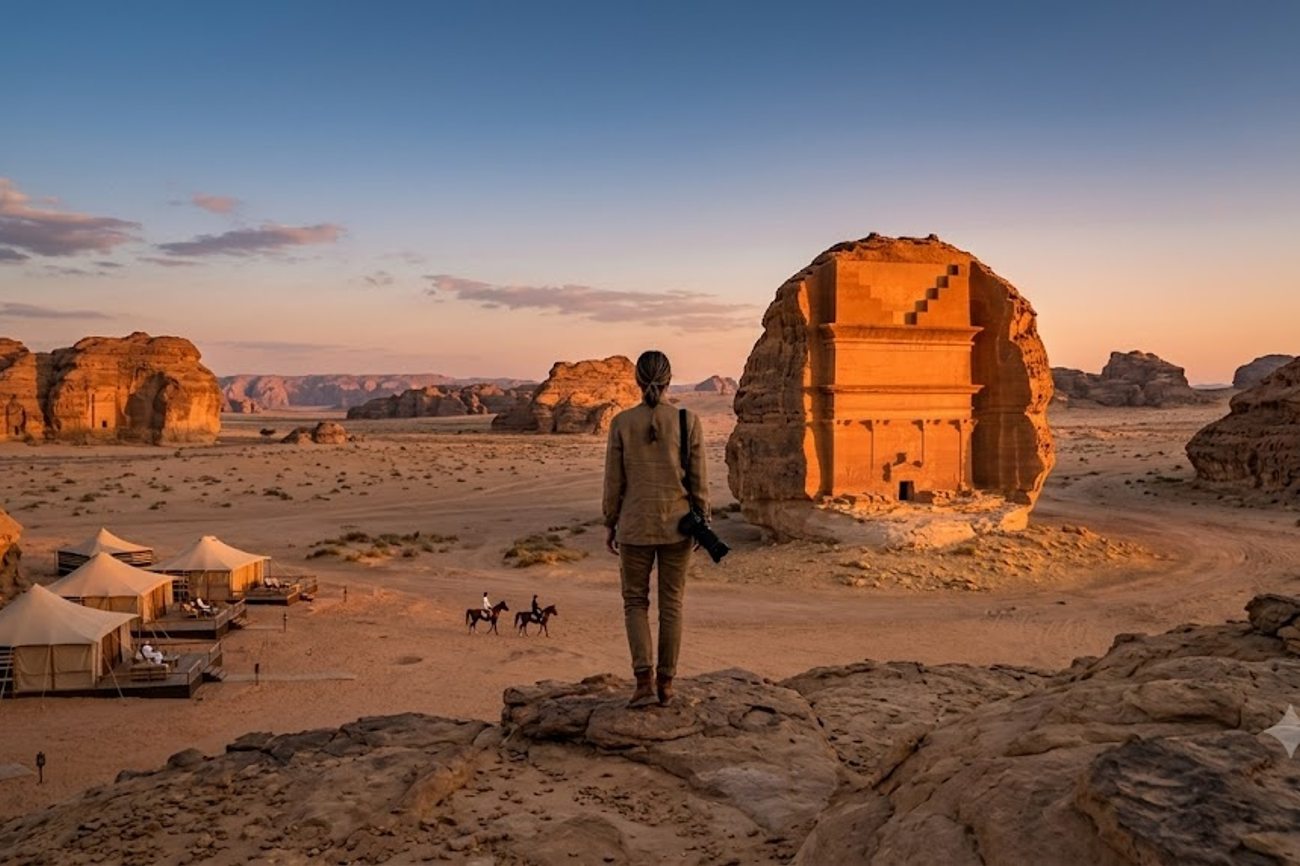
Image generated by AI
2030 serves as the definitive deadline for the Kingdom of Saudi Arabia's economic pivot, as the state aggressively transitions from a mono-sector oil economy to a diversified global tourism powerhouse. This shift is not merely a branding exercise but a structural overhaul of the national economy, moving away from a model where international arrivals were almost exclusively tied to the spiritual journeys of Hajj and Umrah. By leveraging the Saudi Vision 2030 framework, the government is engineering a comprehensive travel ecosystem designed to capture high-spend leisure, adventure, and cultural segments that previously bypassed the Arabian Peninsula.
The Pivot from Pilgrimage to Portfolio
For decades, the Saudi travel market operated on a singular axis: religious tourism. While the millions of visitors arriving annually for spiritual purposes in Mecca and Medina provided a stable baseline, they represented a narrow demographic with specific, predictable needs. The current strategic pivot seeks to decouple the national identity from this single-purpose model. The objective is to build a diversified portfolio where religious travel exists alongside luxury, nature, and entertainment sectors.
This transition requires more than just opening borders; it necessitates the creation of an entirely new infrastructure. The National Tourism Strategy is currently focusing on the "complete ecosystem" approach. This means the simultaneous development of transport networks, high-capacity hospitality hubs, and curated destination experiences. By diversifying the "product," Saudi Arabia is attempting to hedge its economic bets, ensuring that the country remains a viable destination regardless of shifts in global oil prices or changes in religious travel patterns.
Regional Specialization and Infrastructure Mapping
The Kingdom is not attempting to build a generic tourism product. Instead, it is implementing a regional specialization strategy, assigning specific "roles" to different geographic zones to avoid internal competition and maximize the appeal to different traveler personas.
| Development Zone | Primary Strategic Focus | Key Visitor Draw |
|---|---|---|
| AlUla | Heritage & Archaeology | Nabataean ruins (Hegra), desert photography |
| Red Sea Coast | Sustainable Luxury | Coral ecosystems, island resorts, diving |
| Riyadh | Urban Entertainment | Business events, modern districts, culinary arts |
| Jeddah | Coastal Heritage | Al-Balad Historic District, waterfront leisure |
| Asir Mountains | Adventure/Nature | High-altitude hiking, temperate climates |
AlUla is the crown jewel of this cultural push. By positioning the Hegra archaeological site as a global peer to destinations like Petra, the Kingdom is targeting the "high-culture" traveler. Similarly, the Red Sea projects are designed to compete with the Maldives or Seychelles, focusing on low-impact, high-value sustainable tourism. This is a calculated move to attract a demographic that prioritizes environmental stewardship and exclusivity over mass-market tourism.
Expert Analysis: The Logistics of a Manufactured Destination
From a senior editorial perspective, the scale of this transformation is unprecedented. Most tourism destinations grow organically over centuries; Saudi Arabia is attempting to "manufacture" a global destination in a decade. For travelers and investors, the direct consequence is a period of extreme volatility in pricing and availability as the market finds its equilibrium.
The pricing pressure created by the focus on "premium" and "luxury" segments means that the Kingdom is intentionally avoiding the "budget backpacker" model. By prioritizing luxury resorts and exclusive experiences, they are maximizing the Revenue Per Available Room (RevPAR) and attracting high-net-worth individuals. This creates a high barrier to entry for the average traveler but ensures a higher quality of infrastructure.
Furthermore, the integration of business and leisure—specifically in Riyadh—suggests a strategy to capture the "bleisure" market. By building international-standard event venues and luxury hotels, the Kingdom is positioning itself as the primary hub for Middle Eastern corporate travel, which in turn feeds the leisure sector as business travelers extend their stays to visit AlUla or the Red Sea.
The most significant risk here is the "capacity gap." When a state invests heavily in luxury hospitality before the transport networks are fully seamless, it creates bottlenecks. However, by utilizing International Air Transport Association (IATA) standards and expanding airport capacities in Jeddah and Riyadh, the Kingdom is attempting to solve the logistics of movement before the peak demand hits.
Key Takeaways
- Economic Diversification: Tourism is now a primary pillar of the Vision 2030 plan to reduce national reliance on oil exports.
- Strategic Zoning: The country is split into specialized zones: AlUla for culture, the Red Sea for luxury/nature, and Riyadh for urban entertainment.
- High-Value Targeting: The focus is heavily skewed toward luxury and premium experiences rather than mass-market budget tourism.
- Hybrid Model: Religious tourism is not being replaced but is being integrated into a broader leisure offering to encourage longer visitor stays.
- Infrastructure Surge: Massive investment is flowing into international hospitality brands to support a new generation of global travelers.
FAQ: Saudi Arabia Tourism 2024-2030
Is Saudi Arabia only for religious pilgrims? No. While Hajj and Umrah remain central, the Kingdom has opened to international leisure travelers interested in archaeology (AlUla), luxury beach resorts (Red Sea), and urban culture (Riyadh and Jeddah).
What is the best region for adventure travel in Saudi Arabia? The Asir Mountains are the primary hub for hiking and cooler climates, while the desert regions around AlUla and the Red Sea coast offer camping and marine exploration.
How is the luxury hotel situation in the Kingdom? There is a massive influx of international luxury brands. The strategy focuses on boutique desert retreats in AlUla and sustainable island resorts along the Red Sea coast to attract high-spending tourists.
Can I visit multiple regions in one trip? Yes. The National Tourism Strategy is designed to encourage "multi-experience" journeys, allowing visitors to combine a trip to the historic Al-Balad district in Jeddah with a visit to the ruins of Hegra in AlUla.
The Kingdom is no longer just a destination for the faithful; it is betting its future on becoming the world's most ambitious luxury playground.
#SaudiVision2030 #AlUlaTourism #RedSeaGlobal #RiyadhEntertainment #SaudiHospitalityInvestment #HegraArchaeology
Related Travel Guides
- New York Outpaces Toronto, Mexico City and More American and Caribbean Shopping Travel Destinations for Shopaholics Turning Retail Into an Experience
- Iceland Resonates With Hawaii and Sicily in Attracting Adventure Seekers in Fiery Landscapes Booming Volcano Travel Across America
- Philippines DOT Trains for Tourism Sector Growth to Integrate the Filipino Culture Into an Authentic Visitor Experiences
Disclaimer
This article is for informational and educational purposes only. It does not constitute legal, financial, or professional advice. While we strive to provide accurate and up-to-date information, travel policies, regulations, and conditions change rapidly. Always verify information with official sources before making travel decisions. Nomad Lawyer makes no representations about the accuracy, reliability, completeness, or suitability of the information provided. Readers should consult qualified professionals for advice specific to their circumstances. The views expressed in this article are those of the author and do not necessarily reflect the views of Nomad Lawyer.
Raushan Kumar
Founder & Lead Developer
Full-stack developer with 11+ years of experience and a passionate traveller. Raushan built Nomad Lawyer from the ground up with a vision to create the best travel and law experience on the web.
Learn more about our team →