
New York Outpaces Toronto, Mexico City and More American and Caribbean Shopping Travel Destinations for Shopaholics Turning Retail Into an Experience
New York City leads a transcontinental shift in urban tourism as fifteen premier shopping destinations across North and South America turn retail into high-yield cultural journeys.

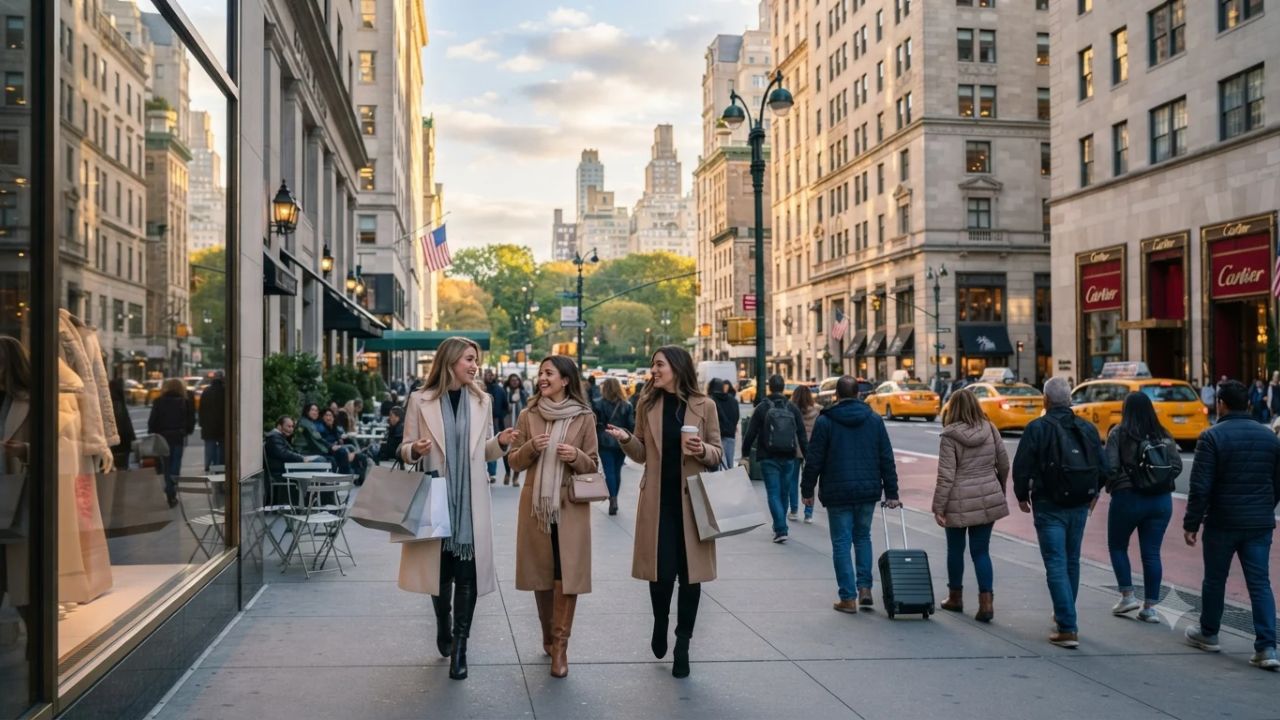
Image generated by AI
[New York, May 2024] — New York City has emerged as the premier destination for experiential retail in the Americas, outpacing major hubs including Toronto and Mexico City by integrating high-end shopping with cultural immersion. The city's ability to blend luxury flagship stores with neighborhood-specific markets is redefining how international travelers consume retail as a primary travel motivator rather than a secondary activity.
Urban centers across North, Central, and South America are intentionally interweaving retail commerce with regional gastronomy, architecture, and civic identity. From the haute couture flagships of Fifth Avenue and the multicultural markets of Toronto to the centuries-old leather workshops of Buenos Aires and the ancestral weaving cooperatives of Mexico City, merchandise serves as a tangible expression of travel discovery. As tourism boards, commercial landlords, and hospitality brands align their offerings, retail travel has evolved into an essential pillar of urban economic development.
The Commercial Evolution: From Souvenir Malls to Experiential Retail Corridors
The catalyst behind this hemispheric retail boom is the decline of generic, commodified purchasing in favor of narrative-driven retail experiences. For decades, tourist shopping centered on airport duty-free outlets or standardized suburban shopping centers. However, contemporary journey planners demand exclusivity, architectural theater, and cultural context. Travelers want to buy Canadian winter wear in Montreal's climate-controlled underground passages, negotiate for Guna-crafted molas in Panama City's Casco Viejo, or sample single-origin roasts while sourcing certified emeralds in Bogotá.
In response to this consumer evolution, municipal planners and tourism development agencies have actively pedestrianized historic districts and expanded mixed-use developments. By pairing world-class dining, contemporary art galleries, and historic architecture within walkable shopping quarters, cities have converted standard commercial transactions into full-day sightseeing expeditions. In New York, the official marketing agency NYC Tourism + Conventions highlights the physical integration of culinary markets and historic neighborhoods alongside high-fashion corridors, encouraging extended pedestrian exploration. Similarly, Canadian municipal campaigns led by Destination Toronto direct international visitors beyond enclosed downtown malls into dynamic independent fashion enclaves like West Queen West and Kensington Market.
This retail dynamic divides into three distinct traveler motivations:
- High-end luxury acquisition, centered on global flagship stores, personal styling suites, and limited-edition product drops.
- Heritage craft sourcing, where travelers prioritize direct engagement with indigenous artisans, certified jewelers, and traditional leather masters.
- Neighborhood exploration, where shopping corridors serve as gateways into local culinary traditions, street art, and urban architectural history.
Pan-American Retail Audit: Flagships, Artisans, and Distinct Regional Commodities
To assess how commercial tourism distributes across the hemisphere, analysts categorize fifteen primary urban hubs across North, Central, and South America based on retail specialization and product authenticity.
| Metro Destination | Primary Luxury & Flagship Corridors | Heritage Markets & Independent Enclaves | Signature Regional Commodities | Primary Traveler Segment |
|---|---|---|---|---|
| New York City, USA | Fifth Avenue, Hudson Yards, Columbus Circle | SoHo, Chelsea Market, Lower East Side | American designer fashion, premium sneakers, cosmetics | Global fashion collectors & luxury shoppers |
| Los Angeles, USA | Rodeo Drive, Melrose Avenue | Los Angeles Fashion District, Abbot Kinney | High-end streetwear, designer eyewear, resort fashion | West Coast trendsetters & international stylists |
| Miami, USA | Miami Design District, Bal Harbour, Brickell | Dolphin Mall, Wynwood Boutiques | Latin-influenced beachwear, designer accessories | Transnational leisure travelers & resort vacationers |
| Chicago, USA | Magnificent Mile (North Michigan Avenue) | Wicker Park, West Loop Boutiques | High-end outerwear, professional sports merchandise | Midwest regional visitors & architectural tourists |
| Las Vegas, USA | Forum Shops at Caesars, The Shops at Crystals | Arts District, Fremont East Emporiums | Haute couture runway releases, luxury timepieces | High-spending entertainment & convention delegates |
| San Francisco, USA | Union Square, Westfield Centre | Ferry Building, Chinatown, Haight-Ashbury | Gourmet culinary goods, vintage apparel, independent literature | Bay Area transit travelers & vintage collectors |
| Toronto, Canada | Bloor-Yorkville, Yorkdale Shopping Centre | CF Toronto Eaton Centre, Kensington Market | Canadian designer outerwear, indigenous fine crafts, maple goods | Transatlantic & transborder business-leisure tourists |
| Montreal, Canada | Sainte-Catherine Street, Mile End Boutiques | Montreal Underground City, Jean-Talon Market | Quebec artisan foodstuffs, cold-weather fashion, furrier goods | European cultural tourists & culinary enthusiasts |
| Vancouver, Canada | Robson Street, Alberni Luxury Row | Granville Island Public Market, Gastown | Technical coastal outerwear, Northwest Coast indigenous art | Asia-Pacific travelers & Pacific outdoor enthusiasts |
| São Paulo, Brazil | Rua Oscar Freire, Shopping JK Iguatemi | Rua 25 de Março, Liberdade Asian Market | Brazilian resortwear, fine leather, regional chocolate, cosmetics | South American business elites & bargain volume hunters |
| Mexico City, Mexico | Avenida Presidente Masaryk (Polanco), Antara | Mercado La Ciudadela, Coyoacán Market | Hand-loomed textiles, silver jewelry, alebrijes, fine ceramics | Cultural connoisseurs & interior design buyers |
| Buenos Aires, Argentina | Recoleta, Galerías Pacífico | Palermo Soho, San Telmo Antique Fair | Custom leather apparel, handcrafted mate gourds, tango vintage | European design enthusiasts & bohemian travelers |
| Panama City, Panama | Multiplaza Pacific, Soho City Center | Casco Viejo Artisan Rows, Albrook Mall | Authentic Guna molas, Geisha coffee, handmade woven hats | Central American hub transiting passengers & shoppers |
| Santiago, Chile | Costanera Center, Parque Arauco, Alonso de Córdova | Pueblito Los Dominicos, Persa Bio-Bío | Lapis lazuli jewelry, copper homewares, Andean wool textiles | Regional Andean travelers & wine-country tourists |
| Bogotá, Colombia | Zona T, Centro Andino, El Retiro | Usaquén Flea Market, Paloquemao Market | Certified Colombian emeralds, specialty coffee beans, leather goods | Global gem collectors & South American cultural tourists |
The United States: Megacities Balancing Luxury Flagships and Outlet Scale
The United States presents the most diverse array of retail environments across the continent. New York City anchors this network by pairing traditional high-luxury avenues with innovative commercial developments. Along Fifth Avenue, legacy departmental institutions and global fashion houses showcase multi-story architectural concepts that combine retail with museum-grade exhibitions. Downtown, SoHo provides a contrasting retail environment characterized by cast-iron architecture, cutting-edge streetwear boutiques, and independent perfume laboratories. For bargain volume, international visitors utilize dedicated motorcoach transfers to Woodbury Common Premium Outlets, which aggregates hundreds of luxury designer labels into an open-air village format.
Across other American metropolitan regions, retail travel reflects regional lifestyle identities. In Southern California, Los Angeles contrasts the ultra-exclusive designer salons of Beverly Hills' Rodeo Drive with the energetic streetwear corridors of Melrose Avenue and the wholesale garment distribution of the Los Angeles Fashion District. In Florida, Miami leverages its geographic proximity to the Caribbean and Latin America to drive massive retail spend across the open-air galleries of the Miami Design District and the sprawling concourses of Aventura Mall. Chicago maintains its retail prominence through the architectural density of North Michigan Avenue, while Las Vegas integrates high-end retail directly into casino resorts via the Forum Shops at Caesars Palace and The Shops at Crystals. On the West Coast, San Francisco blends luxury retail around Union Square with the food-centric artisan stalls of the historic Ferry Building Marketplace.
Canada: Blending Downtown Densities, Climate Control, and Indigenous Heritage
Canada's urban centers provide a distinctly structured approach to retail tourism, combining high-density downtown commercial centers with strong regional craftsmanship. In Toronto, the central retail corridor connects the glass galleria of the CF Toronto Eaton Centre directly to the high-fashion enclave of Bloor-Yorkville. In parallel, West Queen West and Kensington Market supply independent clothing designers, vintage archives, and artisanal foods. International visitors in Toronto frequently seek authentic Canadian products, including cold-weather technical parkas, certified Indigenous soapstone carvings, and estate-bottled maple syrups.
In Montreal, retail tourism thrives regardless of seasonal sub-zero temperatures thanks to the Underground City (RÉSO), a 33-kilometer subterranean network of pedestrian tunnels connecting department stores, boutiques, hotels, and metro stations beneath downtown. Above ground, Sainte-Catherine Street provides traditional shopping corridors, while the historic cobblestone lanes of Old Montreal feature independent fashion studios, and the open-air Jean-Talon Market highlights Quebec's distinct culinary identity. On the Pacific coast, Vancouver combines Robson Street's commercial boutiques with the maritime artisan studios of Granville Island and the heritage cobblestone storefronts of Gastown, emphasizing Pacific Northwest indigenous woodwork, silver jewelry, and technical outdoor gear.
Latin America: Craft Heritage, Natural Gemstones, and High-Fashion Contrast
Latin American retail destinations offer an intense contrast between elite European-style avenues and centuries-old artisan traditions. In Mexico City, the tree-lined thoroughfare of Avenida Presidente Masaryk in Polanco rivals the world's most expensive retail streets, housing flagship boutiques for international luxury houses alongside El Palacio de Hierro's flagship department store. A short transit away, Mercado de Artesanías La Ciudadela serves as the nation's premier craft repository, where visitors source Zapotec textiles from Oaxaca, copper vessels from Michoacán, and intricate silver filigree from Taxco.
Further south, São Paulo operates as South America's undeniable fashion and commercial capital. Affluent travelers gravitate toward the leafy sidewalks of Rua Oscar Freire and the luxury halls of Shopping JK Iguatemi, while budget-conscious visitors navigate the crowded wholesale stalls of Rua 25 de Março. In the historic immigrant enclave of Liberdade, Japanese-Brazilian boutiques and Asian specialty stores create a rare cultural retail convergence. In Buenos Aires, the cobblestones of Palermo Soho feature independent Argentine fashion designers specializing in tailored leather jackets, fine footwear, and equestrian accessories, complemented by the antique stalls of San Telmo.
In the northern Andes and Central America, specialized regional commodities dominate consumer itineraries. Panama City pairs the massive consumer scale of Albrook Mall with the historic artisan arcades of Casco Viejo, where travelers purchase vibrant multi-layered molas hand-sewn by indigenous Guna women. In Santiago, Chile, travelers explore the artisan workshops of Pueblito Los Dominicos, seeking jewelry carved from deep-blue lapis lazuli—a rare semi-precious stone found almost exclusively in the Chilean Andes and Afghanistan. Finally, Bogotá balances the modern luxury boutiques of Zona T with the world's most lucrative emerald trade, where international gemologists and private travelers source certified green beryl stones directly from licensed jewelers near the historic center.
Expert Analysis: The Economics of High-Yield Retail Migration
For travelers booking this route, the direct consequence of structured retail itineraries is that merchandise acquisition now dictates accommodation geography and airline baggage strategies. When international visitors prioritize shopping across multiple urban zones, lodging location becomes a logistical calculation centered on pedestrian accessibility to key shopping corridors and secure storage for high-value purchases. Concurrently, the volume of luxury purchases has forced travelers to factor airline baggage weight allowances and excess luggage charges directly into their total trip budgets, particularly on transcontinental return routes where strict baggage limitations apply.
The pricing pressure this creates means that prime retail districts experience sharp escalation in commercial real estate values, which directly inflates consumer retail prices. Along premier thoroughfares such as Manhattan's Fifth Avenue, Polanco's Avenida Presidente Masaryk, and Toronto's Bloor-Yorkville, astronomical commercial rents compel retailers to position their stores as brand marketing showcases rather than standard inventory outlets. For travelers seeking competitive pricing, this reality necessitates a bifurcated shopping approach: utilizing flagship properties for brand immersion and exclusive collection previews, while relying on regional outlet complexes like Woodbury Common or suburban premium malls for substantial cost savings.
From an operational perspective, the synergy between retail spending and international customs compliance introduces significant regulatory complexities. High-value purchases—including fine emeralds in Colombia, luxury Swiss timepieces in Las Vegas, or handcrafted leather apparel in Buenos Aires—require meticulous documentation, certified appraisals, and tax-refund validation before departure. Travelers who fail to obtain official export certificates risk unexpected import duties or confiscation at international border checkpoints. Additionally, consumers purchasing indigenous handicrafts must verify compliance with cultural property preservation laws, ensuring that antique textiles or archaeological artifacts are not unlawfully removed from their countries of origin.
In parallel, currency exchange fluctuations across the Americas exert immense influence on consumer purchasing power. Favorable exchange rates in Argentina, Colombia, and Brazil frequently create lucrative opportunities for international travelers holding strong currencies, effectively providing automatic discounts on world-class leather, emeralds, and fashion. Conversely, strong local currency environments in the United States and Canada place a premium on value discovery, driving travelers toward tax-free shopping exemptions and promotional sale calendars. As international aviation routes continue expanding post-pandemic connectivity across the hemisphere, destinations that seamlessly integrate shopping corridors with cultural authenticity and transparent consumer protections will capture an expanding share of high-yielding travel capital.
Key Takeaways
- New York City leads fifteen premier Pan-American shopping metropolises by integrating iconic Fifth Avenue luxury flagships with distinctive neighborhood retail corridors like SoHo and the Lower East Side.
- Canadian shopping destinations emphasize climate-resilient urban design, exemplified by Montreal's 33-kilometer Underground City, paired with technical outerwear and certified Indigenous artwork in Toronto and Vancouver.
- Latin American hubs offer powerful value propositions through signature regional commodities, including Colombian emeralds, Argentine leather apparel, Chilean lapis lazuli, and Mexican silver.
- High-value international shopping requires strict customs compliance, official gemological certification, and export documentation to prevent border penalties and import duty surcharges.
- Travelers should adopt a dual-tier shopping strategy: utilizing city-center flagships for exclusive releases and regional outlet centers for volume discounts.
FAQ: Americas Shopping Travel 2026
Why does New York City lead the Americas in retail tourism? New York combines the world's highest concentration of global fashion flagships along Fifth Avenue with historic neighborhood retail districts like SoHo, world-class culinary markets like Chelsea Market, and regional discount outlets like Woodbury Common, creating an unmatched all-tier shopping ecosystem.
What authentic regional products should travelers buy in Latin American cities? Top regional purchases include certified emeralds and specialty coffee in Bogotá, custom-tailored leather jackets in Buenos Aires, deep-blue lapis lazuli jewelry in Santiago, handmade Guna molas in Panama City, and artisanal silver and Zapotec textiles in Mexico City.
How does Montreal's Underground City facilitate winter shopping tourism? Montreal's RÉSO connects 33 kilometers of subterranean pedestrian corridors directly between major department stores, boutique malls, hotels, and metro stations along Sainte-Catherine Street, allowing tourists to shop and dine comfortably in sub-zero winter conditions without outerwear.
What precautions should travelers take when purchasing fine emeralds in Colombia? Travelers in Bogotá must buy emeralds exclusively from licensed, reputable jewelry houses that provide official gemological certificates detailing stone authenticity, carat weight, origin, and clarity. Avoid street vendors in the downtown gem district to prevent purchasing treated or synthetic stones.
In the modern travel economy, what you carry home in your luggage is a tangible chapter of where your journey took you.
Related Travel Guides
- Iceland Resonates With Hawaii and Sicily in Attracting Adventure Seekers in Fiery Landscapes Booming Volcano Travel Across America
- Philippines DOT Trains for Tourism Sector Growth to Integrate the Filipino Culture Into an Authentic Visitor Experiences
- Japan Tourism Faces Major Challenge as China Visitor Decline Weighs on August International Arrivals
Disclaimer
This article is for informational and educational purposes only. It does not constitute legal, financial, or professional advice. While we strive to provide accurate and up-to-date information, travel policies, regulations, and conditions change rapidly. Always verify information with official sources before making travel decisions. Nomad Lawyer makes no representations about the accuracy, reliability, completeness, or suitability of the information provided. Readers should consult qualified professionals for advice specific to their circumstances. The views expressed in this article are those of the author and do not necessarily reflect the views of Nomad Lawyer.
Kunal K Choudhary
Co-Founder & Contributor
A passionate traveller and tech enthusiast. Kunal contributes to the vision and growth of Nomad Lawyer, bringing fresh perspectives and driving the community forward.
Learn more about our team →