
Saudi Arabia and Kenya Hold Exploratory Tourism and Trade Talks in Lamu for 2026
Saudi Arabia and Kenya conducted bilateral talks in January 2026 to explore tourism, port logistics, and blue economy investments centered on the LAPSSET Corridor.
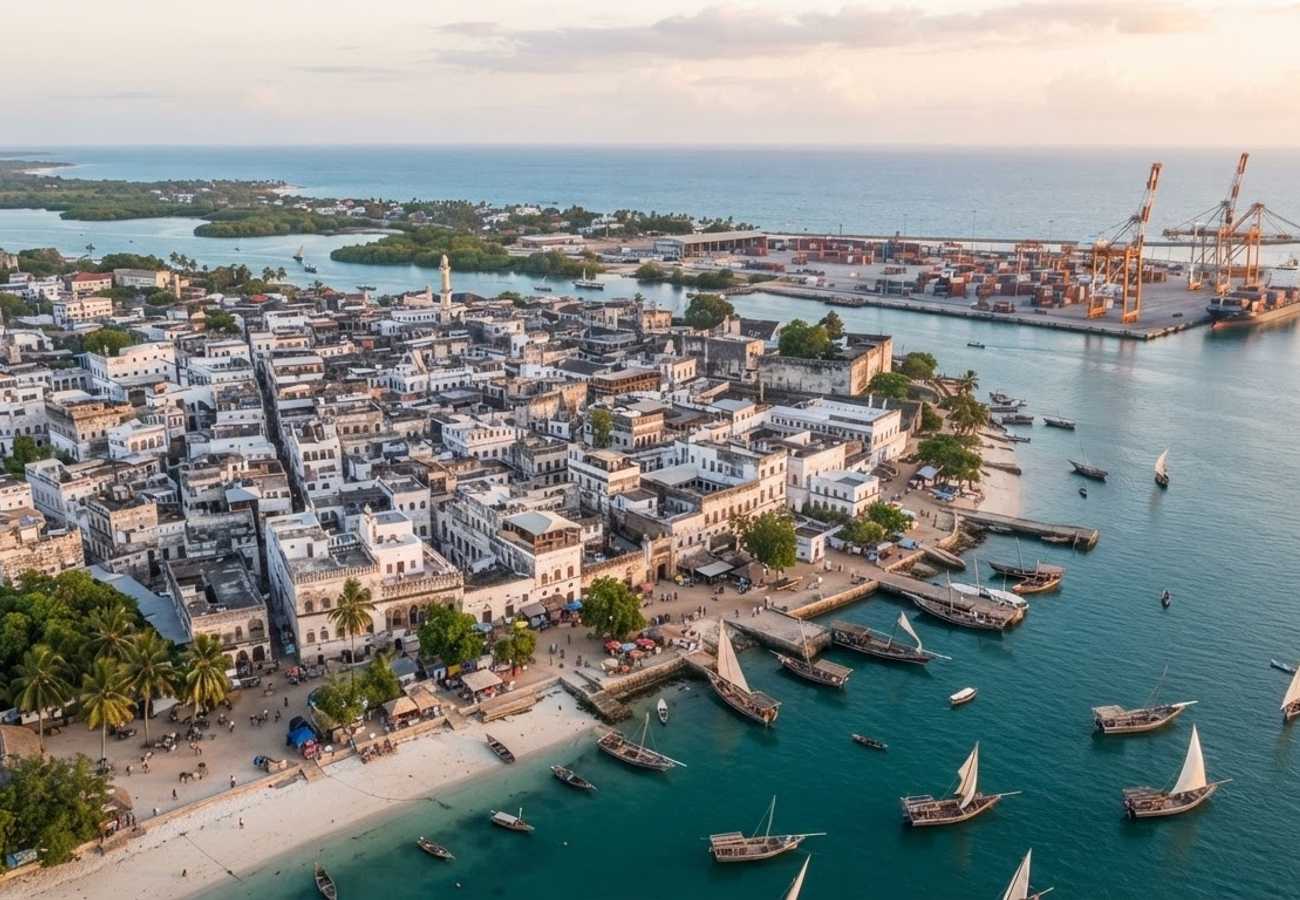
Image generated by AI
Saudi and Kenyan officials met in January 2026 to evaluate investment potential in Lamu County, focusing on the intersection of luxury tourism and maritime logistics.
High-level representatives from Saudi Arabia and Kenya held two distinct sets of Tourism Talks on 26 and 30 January 2026. The discussions focused on Lamu County, examining the region's potential for tourism, port logistics, agriculture, fisheries, livestock, and the blue economy.
While the meetings highlighted the strategic importance of Lamu Port and the Lamu Port–South Sudan–Ethiopia Transport (LAPSSET) Corridor, they remained exploratory. No binding agreements, specific investment figures, hotel projects, or new airline routes were announced during these sessions.
Verified Engagement Parameters
The discussions were strictly bilateral. Despite the regional nature of the LAPSSET framework, Kenya was the only East African nation officially confirmed as a direct participant.
- Meeting Dates: 26 and 30 January 2026.
- Primary Location: Lamu County, Kenya.
- Saudi Delegation: Representatives from investment, economic planning, and commercial bodies.
- Primary Focus: Tourism, trade, port logistics, and the blue economy.
- Outcome: No publicly confirmed agreements, funding packages, or implementation timetables.
Investment and Participation Matrix
The following table delineates the verified roles and outcomes of the January 2026 engagements.
| Country/Party | Role | Verified Proposal | Confirmed Outcome | Current Status |
|---|---|---|---|---|
| Saudi Arabia | Potential Investor | Examine tourism & logistics | No binding agreement | Discussed |
| Kenya | Host Country | Develop Lamu/LAPSSET opportunities | Engagement completed | Exploratory |
| Uganda | N/A | None confirmed | None | Not a participant |
| Tanzania | N/A | None confirmed | None | Not a participant |
| Ethiopia | LAPSSET Beneficiary | No January proposal identified | None | Not directly involved |
| South Sudan | LAPSSET Beneficiary | No January proposal identified | None | Not directly involved |
| East African Community | N/A | No common programme announced | None | Not involved |
Why This Matters: Industry Analysis
From a logistical perspective, this engagement signals Saudi Arabia's intent to diversify its investment portfolio toward the Indian Ocean coast. For travel professionals and investors, the real impact lies in the potential synergy between the "Blue Economy" and high-end tourism.
Our analysis of the route map suggests that if these talks transition into binding agreements, the primary bottleneck will be aviation connectivity. Currently, the lack of direct flight paths between Saudi hubs and Lamu necessitates a reliance on Nairobi. Any meaningful increase in Saudi visitor growth will require:
- Direct Aviation Links: New routes to support business and leisure travel.
- Infrastructure Delivery: The realization of "resort cities" envisioned in the LAPSSET master plan.
- Simplified Transfers: Streamlined visa and transit protocols for Saudi nationals.
While Ethiopia and South Sudan are named in the LAPSSET Corridor, their absence from the January meetings confirms that Saudi Arabia is currently prioritizing Kenya as the primary gateway for its East African maritime and tourism interests.
Forward Outlook
The engagement remains a preliminary cooperation platform. Market trends suggest that Saudi Arabia is auditing the viability of Lamu as a strategic trade and tourism hub before committing capital.
Industry observers should monitor for the following triggers that would signal a shift from "exploratory" to "active" investment:
- The publication of a formal Memorandum of Understanding (MoU).
- Announcements regarding Saudi-funded hospitality training schemes or hotel construction.
- Confirmed flight frequency increases between the GCC and the Kenyan coast.
Until financing and delivery schedules are disclosed, these talks should be viewed as strategic positioning rather than immediate infrastructure development.
The transition from bilateral dialogue to physical infrastructure will depend entirely on the funding mechanisms established in the coming quarters.
Related Travel Guides
Disclaimer
This article is for informational and educational purposes only. It does not constitute legal, financial, or professional advice. While we strive to provide accurate and up-to-date information, travel policies, regulations, and conditions change rapidly. Always verify information with official sources before making travel decisions. Nomad Lawyer makes no representations about the accuracy, reliability, completeness, or suitability of the information provided. Readers should consult qualified professionals for advice specific to their circumstances. The views expressed in this article are those of the author and do not necessarily reflect the views of Nomad Lawyer.