
Saudi Arabia Tourism Report 2026: $178 Billion Economic Contribution Forecast for 2025
Saudi Arabia's tourism sector is projected to contribute USD 178 billion to the Kingdom's GDP by 2025, driven by a domestic travel surge and high-end heritage tourism in Al-Ula and the Red Sea.

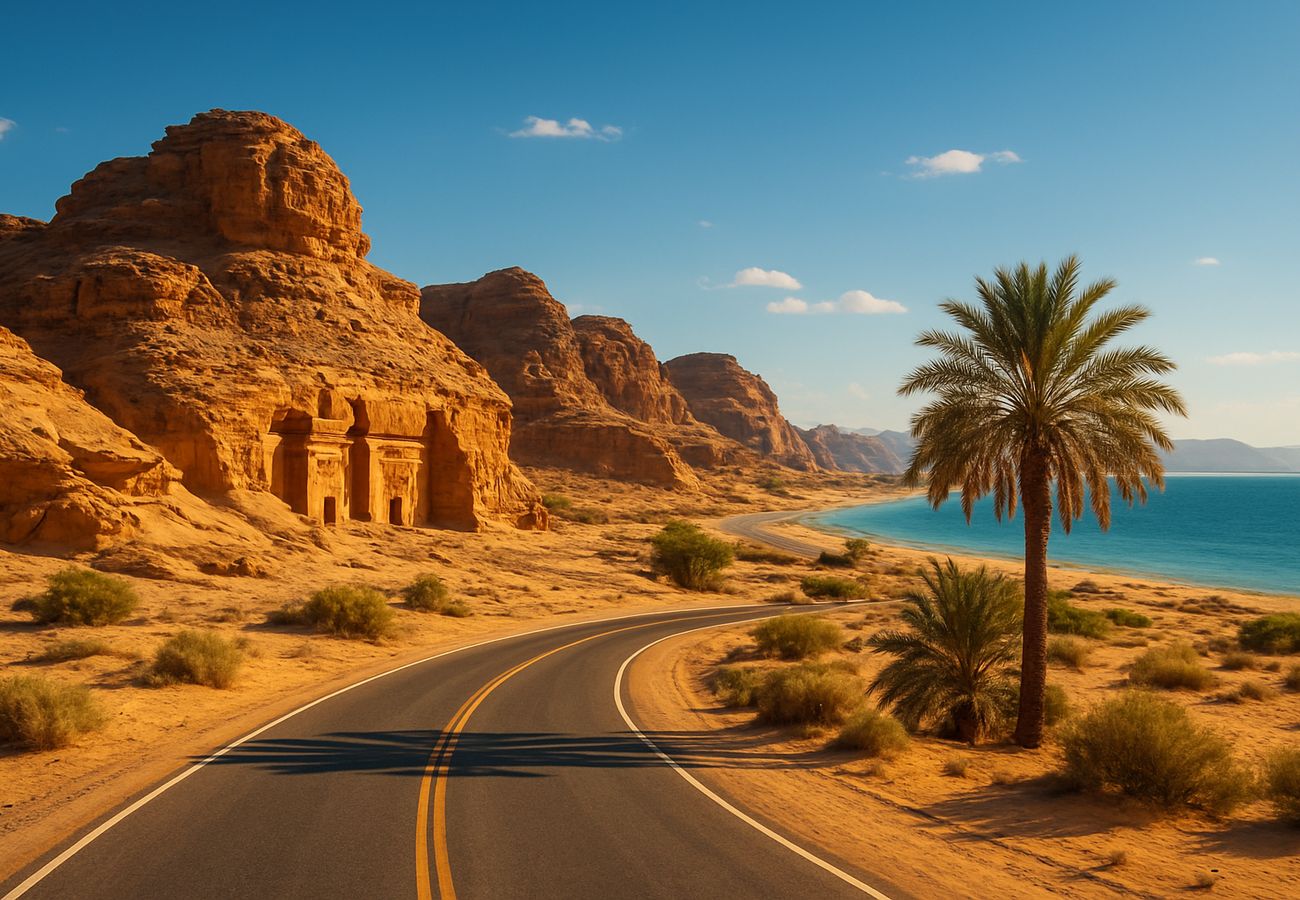
Image generated by AI
Quick Summary
- Economic Milestone: Saudi Arabia’s tourism sector is expected to contribute USD 178 billion to the national economy by 2025, according to the WTTC.
- Vision 2030 Target: The Kingdom is aggressively moving toward its goal of attracting 100 million international tourists by 2030.
- Regional Leader: By 2025, Saudi Arabia is projected to surpass its Middle Eastern neighbors in total tourism spending.
- Domestic Surge: A flourishing domestic market, driven by nature reserves and luxury resorts, is providing a stable foundation for the broader hospitality sector.
- Infrastructure Investment: Significant capital is being deployed into the Red Sea coast, Al-Ula, and the historic district of Diriyah to cater to high-end global travelers.
Saudi Arabia’s transformation into a global tourism powerhouse is accelerating at a historic pace in 2026. Under the ambitious Vision 2030 framework, the Kingdom has successfully diversified its economy away from oil, positioning tourism as a primary driver of non-oil revenue. Latest data from the World Travel & Tourism Council (WTTC) indicates that the sector is on track to contribute USD 178 billion to the GDP by 2025, a figure that reflects both a massive increase in international arrivals and a resilient domestic travel boom. From the ancient heritage sites of Al-Ula to the ultra-luxury sustainable resorts on the Red Sea coast, Saudi Arabia is rapidly evolving into a multi-dimensional destination. Supported by a simplified e-visa system and world-class marketing under the "Visit Saudi" banner, the Kingdom is not only capturing the religious tourism market but is also emerging as a premier choice for global leisure, culture, and sports enthusiasts.
Saudi Arabia Tourism Vision 2030: Key Growth Metrics and Economic Targets
The following table summarizes the key projections and strategic pillars defining Saudi Arabia's tourism growth through 2026.
| Metric / Category | 2025-2026 Projection | Strategic Objective (Vision 2030) |
|---|---|---|
| GDP Contribution | USD 178 Billion | Diversify away from oil revenue |
| Annual Visitor Target | 100 Million (by 2030) | Establish global tourism leadership |
| Primary Growth Driver | Domestic & International Leisure | Job creation in hospitality & transport |
| Visa System | Digital E-Visa | Seamless international access |
| Key Heritage Site | Al-Ula & Diriyah | Preserve and promote ancient civilization |
| Luxury Focus | Red Sea Global | Leading sustainable high-end tourism |
| Events Strategy | Formula E, Red Sea Film Fest | Boost global cultural profile |
The 2025 Milestone: Leading the Middle East in Tourism Spending
Saudi Arabia is poised to become the region's spending leader:
- Historical Achievement: By 2025, the Kingdom is expected to surpass all other Middle Eastern nations in total tourism-related expenditure.
- Non-Oil Revenue: The USD 178 billion contribution represents a significant portion of the country's non-oil income, validating the economic shift.
- Hospitality Expansion: Major cities like Riyadh and Jeddah are seeing an unprecedented surge in hotel and resort investments to meet the 2025 demand.
Domestic Boom: How Local Travelers Are Powering the Hospitality Sector
Local tourism has become a structural pillar of the economy:
- Nature Reserves: Saudi nationals are increasingly exploring domestic nature reserves and luxury desert retreats instead of traveling abroad.
- Economic Stability: The strong domestic market has provided a buffer against global travel uncertainty, ensuring consistent occupancy for new hotel developments.
- Cultural Pride: Increased local interest in historical sites like Diriyah is helping to sustain regional heritage projects.
Global Magnetism: Heritage Tourism in Al-Ula and Luxury on the Red Sea
International interest is shifting toward Saudi’s unique offerings:
- Ancient Civilizations: Al-Ula remains the flagship destination for cultural travelers, offering world-class luxury amidst Nabataean ruins.
- Sustainable Luxury: The Red Sea coast projects are setting new global benchmarks for eco-friendly, ultra-luxury beach tourism.
- Marketing Success: The "Visit Saudi" campaigns have successfully targeted high-value markets in Europe and Asia, diversifying the visitor profile beyond religious tourism.
Economic Diversification: Job Creation and the Non-Oil Revenue Surge
Tourism is now a major employment engine for the Kingdom:
- Job Creation: Thousands of new roles are being created in the hospitality, transportation, and specialized tour-guiding sectors.
- SME Growth: The tourism boom is fueling the growth of small and medium-sized enterprises (SMEs) specializing in local crafts and traditional F&B.
- Investment Inflow: The clear roadmap provided by Vision 2030 has attracted significant foreign direct investment (FDI) into the leisure infrastructure.
Simplified Access: The Impact of the E-Visa System on International Inflows
The digital transformation of border entry has been a catalyst for growth:
- E-Visa Efficiency: The new digital system allows travelers from dozens of countries to secure entry permits in minutes.
- Increased Connectivity: National carriers and budget airlines have expanded routes, making Saudi Arabia more accessible than ever before.
- Welcoming Culture: A renewed focus on high-quality hospitality and guest services is enhancing the Kingdom’s reputation as a welcoming destination.
Future Outlook: Sustainable Growth Through Eco-Tourism and Sports
The Kingdom is looking beyond 2025 toward long-term sustainability:
- Sports Tourism: Events like Formula E and major golf tournaments are attracting a new demographic of sports travelers.
- Cultural Hubs: The Red Sea International Film Festival and Giga-projects like Qiddiya are positioning the country as a cultural hotspot.
- Environmental Commitment: Investments in eco-tourism are ensuring that growth does not come at the expense of the Kingdom’s natural landscapes.
FAQ: Saudi Arabia Tourism 2026
What is the tourism target for Saudi Arabia by 2030? Under Vision 2030, Saudi Arabia aims to attract 100 million international and domestic tourists annually.
How much will tourism contribute to Saudi Arabia’s GDP by 2025? The World Travel & Tourism Council (WTTC) projects the sector will contribute USD 178 billion to the GDP by 2025.
What are the must-visit destinations in Saudi Arabia for 2026? Al-Ula (ancient heritage), Diriyah (historic Riyadh), and the luxury sustainable resorts along the Red Sea coast are currently the top recommendations.
Related Travel Guides
Disclaimer
This article is for informational and educational purposes only. It does not constitute legal, financial, or professional advice. While we strive to provide accurate and up-to-date information, travel policies, regulations, and conditions change rapidly. Always verify information with official sources before making travel decisions. Nomad Lawyer makes no representations about the accuracy, reliability, completeness, or suitability of the information provided. Readers should consult qualified professionals for advice specific to their circumstances. The views expressed in this article are those of the author and do not necessarily reflect the views of Nomad Lawyer.
Kunal K Choudhary
Co-Founder & Contributor
A passionate traveller and tech enthusiast. Kunal contributes to the vision and growth of Nomad Lawyer, bringing fresh perspectives and driving the community forward.
Learn more about our team →