
Travel Guide: Heritage Tourism Transforms Lower Manhattan Experiences
New York City enters a new era of heritage tourism as guided experiences connect visitors with personal stories behind the World Trade Center site.
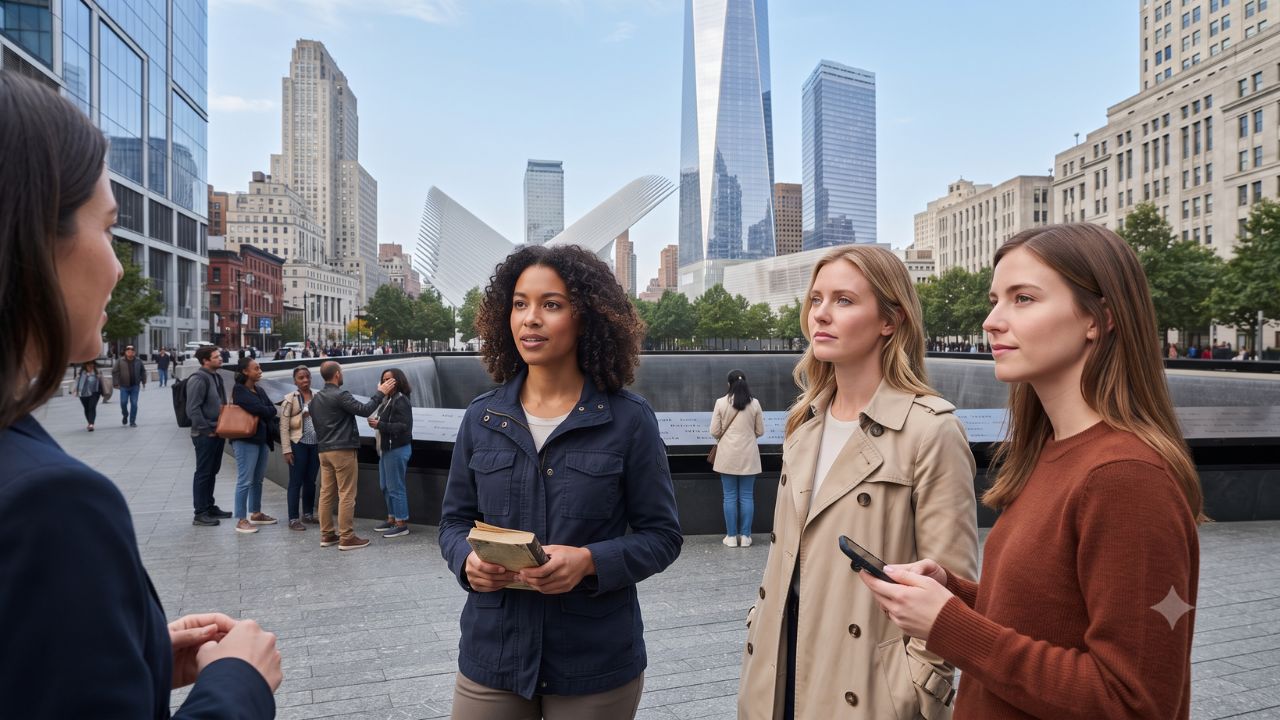
Image generated by AI
New York City enters a new era of heritage tourism as guided experiences connect visitors with personal stories behind the World Trade Center site. NYC Tourism + Conventions indicates that personalized historical storytelling coordinates visitor engagement, supporting regional economic activity across Lower Manhattan districts.
The Transition of General Sightseeing to Deep Emotional Journeys
A notable trend in metropolitan travel planning is the transition of general sightseeing checklists into deep, emotional heritage journeys. Historically, urban tour agencies structured marketing plans around high-volume, self-guided bus routes that stopped briefly at iconic landmarks, expecting travelers to be satisfied with taking photos of architectural exteriors without learning about the human experiences connected to those locations. In 2026, the rise of cultural heritage travel and passenger interest in local perspectives encourage operators to design specialized walking tours led by experienced local guides, allowing visitors to understand the history, community responses, and recovery stories of places like the Financial District.
By coordinating personal storytelling with historic site preservation, travel companies enhance destination value. This narrative-focused travel model coordinates support for local neighborhood restaurants, museum shops, and city transport networks.
Lower Manhattan Heritage and Sourcing Parameters
Specialized walking itineraries connect visitors to multiple chapters of New York's history:
- Core Site Focus: Explores the World Trade Center area, featuring the National September 11 Memorial pools, the 9/11 Memorial Museum, and One World Trade Center.
- Narrative Theme: Highlights the events of September 11, 2001, and the subsequent urban recovery of the modern district.
- Guide Qualifications: Leverages experienced guides who provide direct personal perspectives and deep historical context.
- Integrated Corridors: Connects memorial visits with walks through Wall Street, Battery Park, the Brooklyn Bridge, and waterfront pathways.
- Broader Cultural Assets: Complements classic NYC landmarks like the Statue of Liberty, Central Park, Broadway theaters, and the Metropolitan Museum of Art.
- Economic Impact: Increases overnight stays and dining spend by encouraging visitors to explore surrounding residential and commercial zones.
Visitor registries show strong engagement from both domestic families and international travelers seeking cultural depth.
Lower Manhattan Tourism Sourcing and Campaign Coordinates
The table below breaks down the project sectors, specific hub sites, narrative focuses, regional benefits, comparison parameters, and coordinating authorities recorded on August 25, 2026:
| Core Project Sector | Specific Hub Site | Narrative Focus | Regional Benefit | Comparison Parameter | Coordinating Authority |
|---|---|---|---|---|---|
| Heritage travel | World Trade Center | Recovery and resilience | Neighborhood business spend | Digital booking growth | NYC Tourism + Conventions |
| Cultural preservation | 9/11 Memorial Museum | Historical archiving | Guide employment support | Guide feedback reviews | State Parks Office |
| Urban tourism | One World Trade Center | Modern renewal stories | Transit network utilization | Multi-site ticket packages | Memorial Museum Board |
| Community outreach | Wall Street and Battery | Immigration and finance | Local food vendor revenue | Legacy tour comparisons | New York Historical Society |
These coordinates outline the sectors, sites, focuses, benefits, parameters, and authorities established for the city heritage programs.
Resource Stewardship and Eco-Aware Urban Exploration
For the visitor, the benefit of choosing guided walking tours rather than individual taxi transit is the lower carbon footprint within congested metropolitan areas. Accessing mobile apps for ticketing and using digital maps on smartphone screens avoids paper guide booklet waste.
Additionally, patronizing independent cafes in Lower Manhattan coordinates direct support for the local culinary economy. Using public subway lines to travel between city districts coordinates city-wide transit resource savings.
For comparison, you can explore the changing dynamics of Nebraska State Fair Returns to Grand Island for Summer 2026 to see how state fairs attract regional vacation drives. For transit updates, comparing travel scheduling matches other networks, such as Inflation Slows Tourism Growth Across Major US States updates. This trend is similar to the tourism growth seen in other destinations, as detailed in our guide on the Florida Tourism Slows Amid Inflation and Canada Trade Tensions regulations.
Heritage Visitor Insider Tips: Exploring Lower Manhattan
If you are planning to take a heritage tour of New York City, keep these practical tips in mind:
- Book Memorial Tickets in Advance: Reserve your entry times for the 9/11 Memorial Museum online to secure preferred morning visit slots and avoid ticketing lines.
- Wear Supportive Walking Shoes: The historic cobblestone streets around Wall Street and the large memorial plaza require comfortable, durable footwear.
- Respect Memorial Etiquette: Maintain a quiet, respectful demeanor when viewing the reflecting pools, and turn off ringtones on personal mobile devices.
- Dine in the Financial District: Try local culinary specialties at independent food carts or historic taverns in the surrounding streets to support local businesses.
- Explore Battery Park at Sunset: Conclude your walking tour at Battery Park to enjoy waterfront views of the Statue of Liberty during the quieter evening hours.
Long-Term Outlook for City Heritage Infrastructure
The long-term outlook for transit is focused on converting city tour buses to zero-emission electric vehicles, installing solar arrays on museum facility roofs to offset seasonal cooling loads, and expanding pedestrian plazas to improve walkability around historic sites. As international traveler interest in cultural storytelling continues to grow, national preservation groups and municipal tourism boards will cooperate to maintain passenger standards.
By developing sustainable transit options and protecting regional resources, the transport sector aims to build a sustainable transport network.
FAQ
What are the main components of the World Trade Center site?
The site includes the National September 11 Memorial pools, the 9/11 Memorial Museum, and One World Trade Center.
How do guided heritage tours differ from self-guided visits?
Guided heritage tours use experienced local guides who share personal stories, emotional insights, and detailed historical contexts that go beyond basic plaques.
Is the 9/11 Memorial plaza free to visit?
Yes, the outdoor National September 11 Memorial plaza containing the reflecting pools is free and open to the public daily.
What other attractions are near the World Trade Center in Lower Manhattan?
Nearby sites include Wall Street, Battery Park, the Brooklyn Bridge, and various waterfront walking paths.
Stay updated on regional travel regulations and conservation campaigns shaping New York transit.
Related Travel Guides
Disclaimer
This article is for informational and educational purposes only. It does not constitute legal, financial, or professional advice. While we strive to provide accurate and up-to-date information, travel policies, regulations, and conditions change rapidly. Always verify information with official sources before making travel decisions. Nomad Lawyer makes no representations about the accuracy, reliability, completeness, or suitability of the information provided. Readers should consult qualified professionals for advice specific to their circumstances. The views expressed in this article are those of the author and do not necessarily reflect the views of Nomad Lawyer.