
Japan Combini Culture Becomes Viral Tourism Sensation in 2026
International travelers are reshaping Japan's tourism landscape by elevating convenience stores into must-see attractions, driving record retail spending and transforming cultural itineraries across the country in 2026.

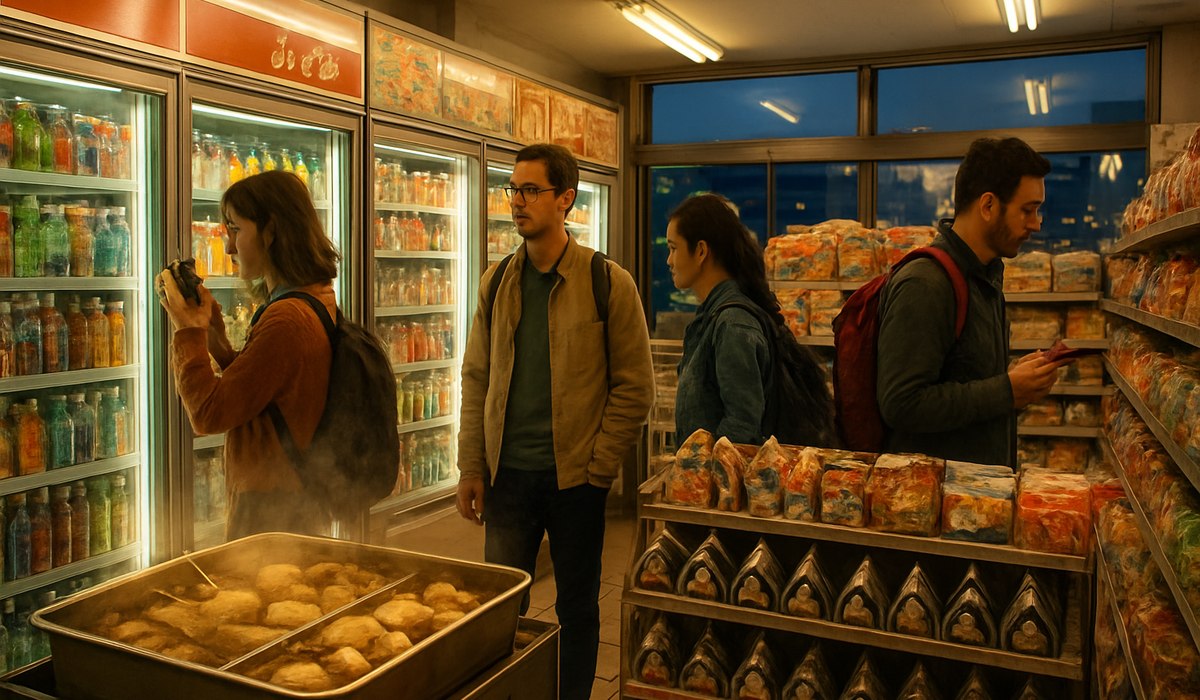
Image generated by AI
Japan's Convenience Stores Ascend to Top-Tier Tourism Attractions
Japan's humble convenience stores, known as combini, have evolved from practical pit stops into celebrated cultural destinations reshaping how international visitors spend time and money across the nation. What began as logistical convenience has transformed into genuine tourism phenomenon, with travelers now planning entire itineraries around famous store locations and filming viral content inside neighborhood shops. The shift reflects broader changes in how travelers discover and experience authentic Japan, moving beyond traditional landmarks to embrace the country's modern retail landscape as a legitimate cultural attraction worthy of bucket-list status.
From Logistical Footnote to Bucket-List Destination
Convenience store culture in Japan has undergone a remarkable transformation within just two years. Historically, travel guides mentioned combini only as places to grab quick snacks or access ATMs during sightseeing days. Today's international visitors, however, treat these stores as essential cultural experiences that deserve dedicated time and attention on their travel schedules.
The shift accelerated alongside record-breaking tourism numbers. Japan received approximately 36.9 million international visitors in 2024, generating over 8 trillion yen in travel expenditure—both all-time records. Travel industry analysts increasingly credit convenience stores as direct beneficiaries of this surge, particularly among visitors drawn to Japan's unique food offerings that differ dramatically from international convenience store experiences. High-quality ready-made meals, region-specific seasonal products, and limited-edition collaborations create discovery moments that resonate across social media platforms.
According to Japan National Tourism Organization, convenience store experiences now rank alongside shrine visits and mountain excursions in travel satisfaction surveys among international guests.
The Viral Combini Effect: Social Media Fueling the Boom
Social media has amplified Japan combini culture into a global phenomenon. Content creators and casual travelers alike document "combini hauls," store tours, and taste-test videos that generate millions of views across platforms. Hashtags like #konbinitour and #combinihaul have become informal marketing channels, driving visitors to specific locations they never would have discovered through traditional tourism channels.
Search data reflects this growing obsession. Online queries for terms like "7-Eleven Japan," "FamilyMart snacks," and "best combini in Tokyo" have increased exponentially. This organic interest extends beyond flagship locations in major cities, directing international travelers toward neighborhood stores in secondary and regional destinations. The result is geographically dispersed tourism spending that benefits communities far from traditional tourist corridors.
Visual content showcasing onigiri preparation counters, steaming oden stations, and extensive chilled beverage selections has become de facto advertising for Japan combini culture. Many travelers now integrate dedicated store visits into daily routines, treating breakfast and evening snack runs as cultural activities rather than mere practical necessities.
Economic Impact: How Convenience Stores Are Capturing Tourism Spend
The financial implications of Japan combini tourism are substantial and measurable. Japan's seven major convenience store chains reported combined sales of approximately 11.8 trillion yen in 2024, marking the third consecutive annual record. International tourists now represent a significant and growing percentage of this revenue.
Foreign visitors are supporting not only major chains but also smaller regional convenience store formats specializing in local specialties. These stores function as accessible gateways to regional food culture, allowing travelers to sample Hokkaido dairy products, Kyushu confections, and Tohoku rice-based snacks without navigating language barriers or restaurant reservations. The weak yen has further incentivized international visitors to maximize purchasing power, driving higher transaction values at convenience store locations.
Industry research suggests convenience stores now account for nearly 30 percent of Japan's modern grocery and daily goods market by value. Tourism industry economists classify inbound travel as one of Japan's most dynamic economic sectors, with convenience stores exemplifying how everyday infrastructure transforms into high-value tourism products that blur distinctions between retail, dining, and entertainment experiences.
Regional Tourism Gets a Boost from Neighborhood Store Discoveries
Beyond major metropolitan areas, local convenience stores are experiencing unprecedented international visitor attention. Regional businesses benefit from travelers seeking authentic, non-touristy experiences that reveal genuine aspects of Japanese daily life. Smaller towns and prefectures previously overlooked by international tourists now attract visitors specifically to explore local convenience store offerings.
This dispersed tourism spending pattern supports rural economies and regional businesses that might struggle with traditional tourist infrastructure development. A convenience store in Kanazawa or Takayama offering prefecture-specific snacks becomes a tourism asset, drawing visitors who might otherwise bypass smaller cities. Hotels and restaurants in these communities benefit from increased foot traffic and extended visitor stays.
The phenomenon demonstrates how cultural tourism increasingly values everyday authenticity over curated attractions. International travelers seeking genuine Japan increasingly recognize that comfort stores represent real, accessible windows into contemporary Japanese consumer culture and daily life rhythms.
What This Means for Travelers
Understanding Japan combini culture enhances travel planning and enriches on-ground experiences:
-
Plan convenience store visits deliberately: Research acclaimed combini locations in your destination cities, particularly stores with unique regional products or specialty counters. Allocate time for browsing, not just quick purchases.
-
Expect crowds at viral locations: Famous convenience stores in central Tokyo, Osaka, and Kyoto often attract international visitors. Consider visiting during off-peak hours (early morning or late night) for better experiences.
-
Budget for experimentation: Convenience store meals offer excellent quality-to-price ratios. Dedicate a modest daily food budget to trying different items, regional specialties, and seasonal offerings across various chains.
-
Use stores for cultural research: Combini provide insight into Japanese seasonal rhythms, popular brands, collaboration trends, and consumer preferences. Observing what locals purchase reveals authentic cultural patterns.
-
Navigate with translation apps: While most items are accessible, reading ingredient details or understanding limited-edition descriptions benefits from smartphone translation capabilities for dietary concerns.
FAQ
What makes Japanese convenience stores different from international equivalents? Japanese combini offer superior food safety standards, higher-quality prepared meals, frequent seasonal and limited-edition products, and unique collaborations with anime franchises and regional producers. Temperature control, freshness rotation, and ingredient transparency exceed most international convenience store standards significantly.
Which convenience store chains are most worth visiting? 7-Eleven, Lawson, and FamilyMart dominate Japan's market, with each offering distinct product selections and regional variations. Smaller chains like Ministop and Circle K Sunkus provide different experiences. Location matters more than brand; neighborhood stores stock items reflecting local preferences and regional specialties.
Are convenience store experiences worth dedicated travel time? Absolutely, particularly for food-focused travelers or those seeking authentic insights into daily Japanese life. Spending 30-60 minutes exploring a well-stocked store reveals cultural patterns, seasonal awareness, and contemporary trends you won't encounter in traditional tourist attractions.
How much should I budget for convenience store purchases? Quality meals and snacks typically cost between 500-1,500 yen per item. A daily convenience store food budget of 2,000-3,000 yen provides comfortable meals across multiple stores while exploring different options and regional specialties.
Key Tourism Data Table
| Metric | Year | Value | Impact |
|---|---|---|---|
| International Visitors to Japan | 2024 | 36.9 million | Record-breaking inbound tourism driving convenience store visits |
| Tourism Expenditure | 2024 | 8+ trillion yen | All-time high spending supporting retail sector growth |
| Major Chain Combined Sales | 2024 | 11.8 trillion yen | Third consecutive annual record attributed partly to international tourism |
| Market Share of Convenience Stores | 2024 | ~30% | Significant portion of modern grocery/daily goods market captured by sector |
| Search Interest Growth | 2024-2026 | Rising exponentially | Increased queries for "combini tours" and location-specific convenience stores |
| Regional Tourism Distribution |
Disclaimer
This article is for informational and educational purposes only. It does not constitute legal, financial, or professional advice. While we strive to provide accurate and up-to-date information, travel policies, regulations, and conditions change rapidly. Always verify information with official sources before making travel decisions. Nomad Lawyer makes no representations about the accuracy, reliability, completeness, or suitability of the information provided. Readers should consult qualified professionals for advice specific to their circumstances. The views expressed in this article are those of the author and do not necessarily reflect the views of Nomad Lawyer.
Raushan Kumar
Founder & Lead Developer
Full-stack developer with 11+ years of experience and a passionate traveller. Raushan built Nomad Lawyer from the ground up with a vision to create the best travel and law experience on the web.
Learn more about our team →