
Germany Issues New Travel Advisories for Saudi Arabia and Gulf Nations Amid 2026 Security Threats
Germany has issued updated travel warnings for Saudi Arabia, Bahrain, and the UAE, citing escalating regional military activity and security risks affecting Gulf aviation and tourism.

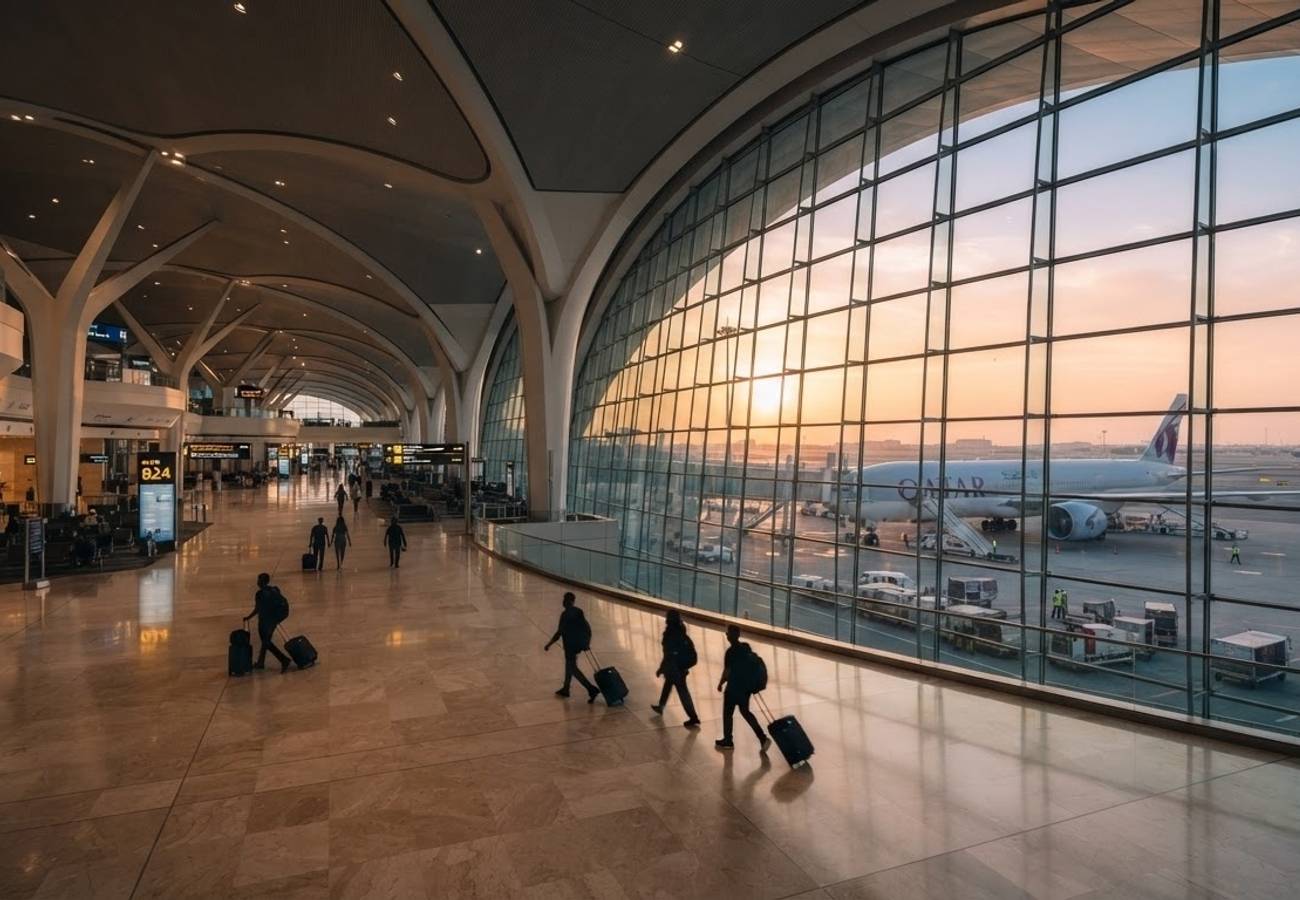
Image generated by AI
Germany has issued a fresh security advisory for travelers heading to Saudi Arabia and other Gulf nations, warning of escalating regional tensions and potential air traffic disruptions. The most severe warnings target Bahrain and the United Arab Emirates, urging citizens to reconsider non-essential travel.
Regional Security Escalations and Aviation Risks
The German government has updated its guidance for the Middle East, citing a volatile security environment characterized by increased military activity. Despite a June 2026 memorandum of understanding between the United States and Iran intended to cease military conflict, the advisory notes a resurgence in military strikes against regional targets.
These developments pose a direct threat to the stability of international tourism and aviation. Because the Gulf serves as a primary transit corridor between Europe, Asia, and Africa, any escalation in hostilities risks triggering widespread flight cancellations, airspace restrictions, and more stringent airport screening procedures.
Country-Specific Security Parameters
The advisory varies in intensity depending on the specific destination, with Bahrain facing the most critical warnings.
Bahrain: High-Risk Designation
Travel to Bahrain is strongly discouraged. The advisory highlights military strikes that occurred in July 2026, suggesting a high probability of further escalation. Internal instability is also a factor, with reported pro-Iranian protests and clashes with security forces in Shiite areas.
United Arab Emirates: Cautionary Guidance
Germany has advised against non-essential travel to the UAE. While the UAE maintains a low crime rate, the advisory emphasizes risks related to terrorism and escalating regional hostilities. There is a specific focus on increased security around Israeli and Jewish institutions.
Saudi Arabia, Qatar, Kuwait, and Oman
Saudi Arabia continues to act as a central hub for regional tourism and economic transformation. While not the primary target of the most severe warnings, the Kingdom is affected by the broader regional risk profile. Similarly, Qatar and Kuwait remain sensitive to geopolitical shifts that could impact visitor confidence. Oman maintains its status as a neutral zone, though it remains vigilant regarding maritime route security.
Gulf Region Transit Risk Matrix 2026
| Destination | Advisory Level | Primary Risk Factor | Key Guidance |
|---|---|---|---|
| Bahrain | Strong Discouragement | July 2026 Military Strikes / Civil Unrest | Avoid US facilities and large gatherings |
| UAE | Non-Essential Only | Regional Hostilities / Terrorism Risks | Exercise caution near sensitive institutions |
| Saudi Arabia | General Caution | Regional Volatility / Geopolitical Tension | Monitor official government updates |
| Qatar/Kuwait | Monitoring | Airspace Instability / Strategic Sensitivity | Track flight status and regional news |
| Oman | Low/Stable | Maritime Route Security | Maintain standard travel vigilance |
Traveler Logistics Guide: Navigating Gulf Transit in 2026
From a ground-level perspective, the best way to navigate this volatile environment is to prioritize flexibility over rigid scheduling. When booking connections through Dubai (DXB), Doha (DOH), or Riyadh (RUH), avoid "tight" connections.
Optimal Layover Windows Given the potential for sudden airspace restrictions or increased screening, we recommend a minimum layover of 4 to 6 hours for international transfers. This provides a buffer against the "ripple effect" of regional flight diversions.
Digital Transit and Customs Ensure all digital travel authorizations are updated. For those entering the region, keep digital copies of passports and visas in a secure cloud folder. In the UAE, be strictly mindful of local laws regarding photography; filming near military or security installations can lead to immediate detention.
Ground Safety Protocols If traveling to Bahrain or the UAE, avoid any large public demonstrations, particularly those following Friday prayers in sensitive districts. Keep mobile devices fully charged and maintain a secondary communication method (such as an eSIM) to receive real-time government alerts.
Infrastructure Impact Assessment
The regional instability threatens the multi-billion dollar investments made under Saudi Arabia’s Vision 2030 and the UAE's global tourism strategies. The Gulf's economic reliance on open borders and seamless air connectivity means that travel advisories from major European powers like Germany can lead to an immediate drop in high-spend tourism and business travel.
Furthermore, the risk of temporary airspace closures forces airlines to implement costly rerouting, which typically results in higher ticket prices for passengers and increased fuel consumption for carriers.
Stability remains the primary currency for the Gulf's continued ascent as a global transit powerhouse.
Related Travel Guides
Disclaimer
This article is for informational and educational purposes only. It does not constitute legal, financial, or professional advice. While we strive to provide accurate and up-to-date information, travel policies, regulations, and conditions change rapidly. Always verify information with official sources before making travel decisions. Nomad Lawyer makes no representations about the accuracy, reliability, completeness, or suitability of the information provided. Readers should consult qualified professionals for advice specific to their circumstances. The views expressed in this article are those of the author and do not necessarily reflect the views of Nomad Lawyer.
Preeti Gunjan
Contributor & Community Manager
A passionate traveller and community builder. Preeti helps grow the Nomad Lawyer community, fostering engagement and bringing the reader experience to life.
Learn more about our team →