Philippines DOT Trains for Tourism Sector Growth to Integrate the Filipino Culture Into an Authentic Visitor Experiences

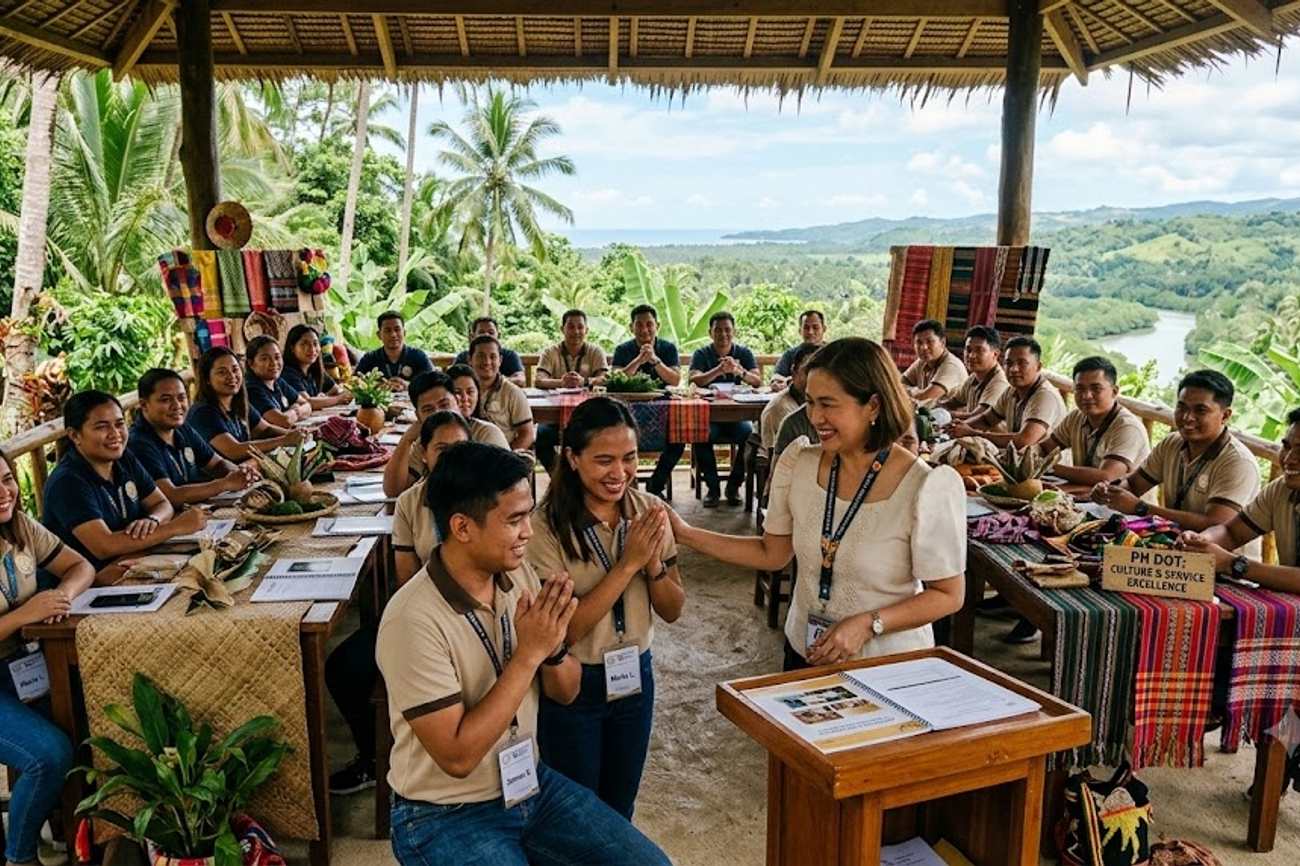
Image generated by AI
[Manila, October 2024] — The Department of Tourism (DOT) Philippines has launched a comprehensive "Filipinization" training initiative to mandate the integration of national cultural identity into the design and operation of tourism facilities. This strategic pivot moves away from standardized global hospitality models, instead requiring tourism stakeholders to embed authentic Filipino traditions, arts, and storytelling directly into the visitor experience.
The capacity-building program is a joint venture between the DOT Office of Tourism Standards and Regulations (OTSR) and the Nayong Pilipino Foundation (NPF), targeting hospitality firms and service providers across Metro Manila and Southern Luzon. The timing is critical as the Philippines prepares to host the 49th ASEAN Summit, an event the government intends to use as a global stage to showcase the nation's distinct hospitality and cultural heritage to international delegates and visiting dignitaries.
The Catalyst for Cultural Integration
The immediate trigger for this initiative is the upcoming 49th ASEAN Summit. The Philippine government views this summit not merely as a diplomatic gathering, but as a high-visibility branding exercise. To avoid the "cookie-cutter" feel of international luxury hotels, the DOT is pushing for a systemic overhaul of how services are delivered and how spaces are designed.
The program operates under the "Filipinization Labelling Training Program," which posits that Filipino warmth and friendliness are underutilized economic assets. By formalizing these traits and pairing them with tangible cultural markers—such as indigenous architecture and traditional arts—the DOT aims to create a competitive advantage that cannot be replicated by regional rivals. The goal is to transition Filipino identity from a "decorative" afterthought to a core component of the operational DNA of tourism businesses.
Stakeholders and Impact Zones
The training specifically targets the hospitality corridor of Metro Manila and the high-growth tourism zones of Southern Luzon. The following sectors are under direct instruction to modify their operations:
- Hotel Management: Transitioning interior design concepts from generic international styles to those incorporating Filipino craftsmanship and indigenous materials.
- Service Personnel: Moving beyond basic hospitality to "cultural storytelling," where staff are trained to communicate the history and meaning behind local customs to guests.
- Tourism Attraction Operators: Redesigning guest journeys to prioritize authentic community connections over staged tourist experiences.
- Architects and Designers: Integrating traditional Filipino aesthetic elements into modern building footprints to ensure cultural relevance.
- Food and Beverage Providers: Aligning culinary offerings with regional identities to enhance the sensory experience of the visitor.
Practical Traveler Advisory and Strategic Insights
For the average traveler booking a trip to the Philippines, these changes will manifest as a shift in the "feel" of the stay. Rather than experiencing a standardized luxury hotel that could be located in any global capital, visitors will encounter a more curated, localized environment.
Practical impacts include:
- Aesthetic Shifts: Expect to see more local textiles, indigenous artworks, and Filipino-centric design in hotel lobbies and guest rooms.
- Enhanced Storytelling: Hotel staff and tour guides will likely provide more context regarding the cultural significance of the locations and services they provide, moving away from scripted service to narrative-driven hospitality.
- Authentic Touchpoints: A decrease in generic "international" amenities in favor of locally sourced products and traditional Filipino welcome rituals.
- Higher Quality Local Curation: The partnership with the Nayong Pilipino Foundation ensures that the "Filipinization" is based on historical accuracy and genuine craftsmanship rather than superficial stereotypes.
The Road to the 49th ASEAN Summit
The DOT is treating the 49th ASEAN Summit as the ultimate litmus test for this program. The government recognizes that the impressions formed by global leaders and international media during the summit will dictate the country's tourism trajectory for the coming years. Consequently, there is an urgent push for hotels and service providers to implement these cultural integrations before the summit begins.
The Department of Tourism is implementing strategic training programs to empower local stakeholders in delivering authentic, culture-driven visitor experiences. These initiatives align with the national tourism development plan managed by the Department of Tourism, focusing on sustainable growth and cultural preservation.
The program included a technical tour of the Likhang Filipino galleries, providing a blueprint for how tourism businesses can source authentic Filipino design. This suggests that the DOT is not just providing theoretical training but is actively connecting businesses with the artisans and cultural custodians who can provide the necessary materials and knowledge.
Looking forward, the DOT intends to scale this "Filipinization" model beyond Metro Manila and Southern Luzon. The long-term strategy is to create a national standard for "Cultural Authenticity" that will be monitored by the Department of Tourism (DOT) through its standards and regulations office. This move aligns with a broader global trend where high-spending travelers are abandoning standardized luxury in favor of "transformative travel" that offers a deep dive into local heritage.
FAQ: Philippines Cultural Tourism 2024
Will these changes increase hotel prices for tourists? There is no official indication that the Filipinization program will lead to price hikes. The initiative focuses on the style and delivery of service and design rather than adding expensive new luxury tiers.
How can I tell if a hotel is part of the Filipinization program? While a formal "label" is being developed, travelers will notice a marked increase in local art, traditional Filipino design elements, and staff who are more knowledgeable about local cultural storytelling.
Does this affect the quality of modern amenities? No. The DOT has explicitly stated that the goal is to combine traditional creativity with modern tourism operations. Guests can expect the same modern comforts, but delivered within a culturally authentic Filipino framework.
Is this program only for luxury hotels? No. The training is designed for "tourism stakeholders" broadly, which includes a wide range of hospitality providers, from boutique hotels to larger tourism attractions across Metro Manila and Southern Luzon.
The Philippines is betting that its greatest competitive edge isn't its beaches, but its soul.
Related Travel Guides
- Japan Tourism Faces Major Challenge as China Visitor Decline Weighs on August International Arrivals
- Fiji Tourism Reaches Historic Milestone as Visitor Arrivals Cross 100,000 in a Single Month
- Karnataka Tourism Showcases India’s Heritage, Wildlife and Wellness Wonders at Arabian Travel Market Dubai 2026
This article is for informational purposes. Flight routes, passenger regulations, visa rules, and transit advisories are subject to change by airlines and aviation authorities. Readers are advised to verify schedules and travel documentation with relevant carriers and border agencies before departure.
Related Stories

Philippines Domestic Tourism Hits PHP3.26 Trillion as Asian Staycation Trends Shift Toward 2027
Thailand Tourism Slowdown Tests Small Businesses as Kingdom Pivots to High-Yield Travel and Secondary Provinces