
Phoenix and Detroit Emerge as Hotspots for Supermarket Tourism
Supermarket tourism redefines cultural travel in 2026, with Phoenix's Hispanic markets and Detroit's Eastern Market drawing food-focused travelers.

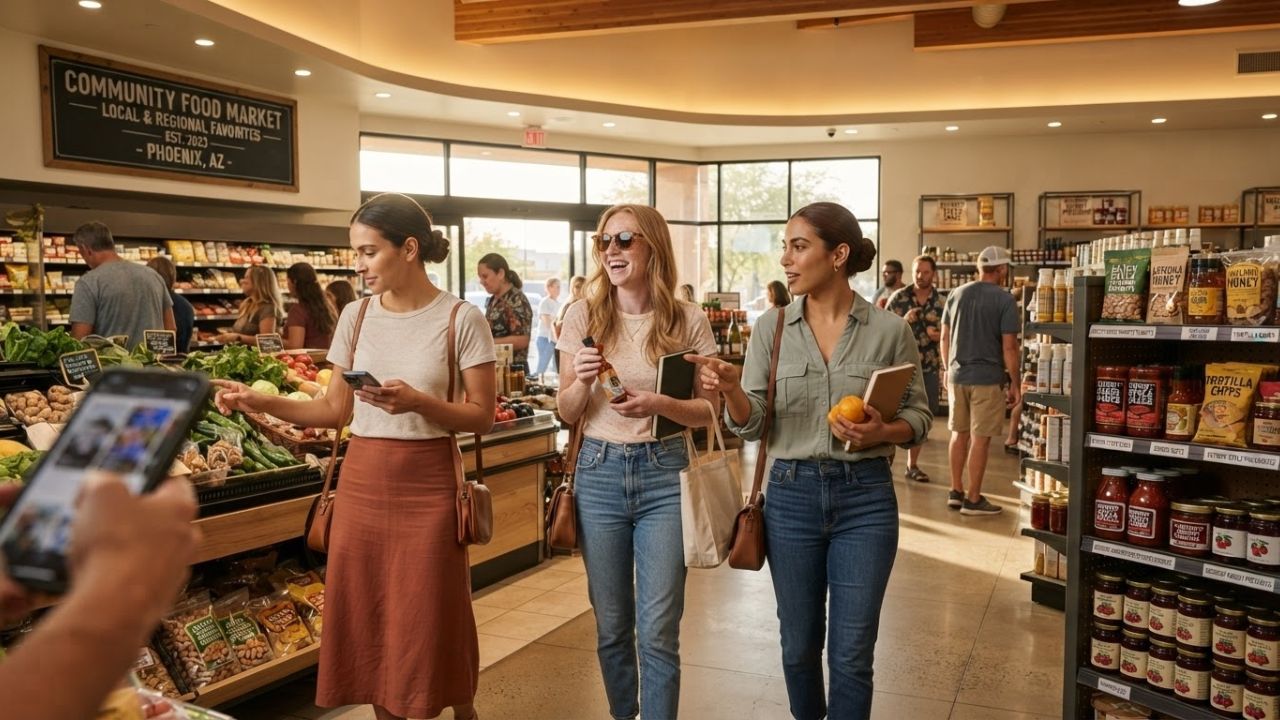
Image generated by AI
Exploring local grocery aisles has become a mainstream cultural travel strategy in 2026, with 77 per cent of travelers actively visiting community markets to find authentic regional foods and support local growers.
The Local Trend Revealed: Exploring Grocery Aisles
Modern travelers are increasingly skipping highly curated tourist attractions in favor of exploring local supermarkets, food halls, and independent grocers. This travel strategy allows visitors to discover authentic regional foods, connect with local communities, and manage travel costs.
According to recent travel data:
- Traveler Engagement: An impressive 77 per cent of modern travelers enjoy exploring local grocery stores to discover regional food and drink (Hilton).
- Planned Itineraries: 39 per cent of tourists intentionally visit supermarkets when traveling, while 44 per cent seek out unique local items (Expedia).
- Cost Efficiency: With ticket prices for traditional attractions increasing by up to 45 per cent for non-residents, grocery shopping allows travelers to extend their daily travel budgets by up to 40 per cent.
Two distinct metropolitan areas are emerging as key hotspots for this trend:
- Phoenix, Arizona: Travelers explore expansive Hispanic markets, including carnicerias and panaderias, seeking regional specialties like dried chilies, fresh tortillas made in-house, and prickly pear syrup.
- Detroit, Michigan: The historic Eastern Market draws 40,000 visitors on a typical Saturday to its five massive sheds (specifically Sheds 2, 3, and 5) to browse regional produce, duck sausage, and locally smoked fish.
This retail shift is backed by a major U.S. travel sector that generates $2.9 trillion in economic output and supports 15 million American jobs, with domestic travel contributing $839 billion. Shopping remains the most common activity for international visitors, engaging over 81 per cent of incoming tourists (projected to reach 85.2 million arrivals in 2025).
According to the National Grocers Association (NGA), independent grocers generate more than $557.5 billion in annual economic activity (roughly 2.0 per cent of the entire U.S. economy), capturing $353.5 billion in direct retail sales (nearly 38.4 per cent of the $920 billion U.S. food retailing sector). The independent sector supports 1.48 million American jobs, providing $115.2 billion in annual worker income and generating $27.3 billion in combined annual tax revenue ($4.7 billion federal, $10.2 billion state, and $12.4 billion local).
Independent Grocery Sector Economic Impact & Tourism Parameters (2026)
| Economic Impact Metric | Independent Grocery Totals | Share of Food Retail Sector | Job & Community Support | Public Reinvestment (Tax Revenue) |
|---|---|---|---|---|
| Annual Economic Activity | $557.5 billion (approx. 2% of GDP) | 38.4% of U.S. food retailing | 1.48 million American jobs | $27.3 billion in combined annual taxes |
| Direct Annual Sales | $353.5 billion (of $920B sector) | Food system multiplier: 1.58x | $115.2 billion in worker income | $4.7 billion federal taxes |
| Phoenix Market Specialties | Dried chilies, fresh tortillas, syrups | Hispanic carnicerias & panaderias | Local Sonoran agricultural supply | $10.2 billion state taxes |
| Detroit Market Metrics | 40,000 Saturday visitors | Historic 6-block Eastern Market | Periphery shops: Cost Plus, Rocky's | $12.4 billion local taxes |
Cultural & Environmental Value: Supporting Local Farmers and Heritage
For the traveler, the real impact of supermarket tourism is the ability to direct spending into local agricultural networks, supporting regional farmers and independent merchants rather than corporate conglomerates. Independent grocers feature a 1.58x economic multiplier, which means every dollar spent generates $0.58 in regional supply chain activity.
Mapped in coordination with the National Grocers Association (NGA) and local municipal planning boards, this slow-travel trend channels visitor dollars directly into local agricultural cooperatives, family-owned peanut roasters, and community kitchens. This ensures that tourism revenue remains deeply rooted in the host community, protecting local heritage.
Destination Specialist Local Insider Tips
To help you navigate local markets and enjoy culinary tourism comfortably, regional specialists suggest the following tips:
- Savor Prickly Pear Desserts in Phoenix: Experience Sonoran desert gastronomy. Look for local prickly pear syrup or fresh pan dulce (sweet bread) at Hispanic panaderias in Phoenix.
- Browse Eastern Market on Non-Peak Days: If visiting Detroit’s historic Eastern Market, consider arriving early on Saturday morning or visiting during weekday events to avoid the rush of the 40,000 weekly visitors.
- Leverage Kitchenettes to Save 40%: Book accommodations featuring kitchenettes. Exploring local supermarkets and preparing your own meals can extend your daily travel budget by up to 40 per cent.
- Seek Travel-Safe Packaging: Look for regional specialties packaged specifically for transport (like vacuum-sealed cheeses or dried spices) to take home as authentic culinary souvenirs.
- Explore the Periphery at Eastern Market: In Detroit, walk beyond the main sheds to find Rocky's, a historic, family-owned peanut roaster operating on the market’s periphery, supporting local business history.
Long-Term Outlook: Urban Planning and Sustainable Food Systems
The long-term outlook for grocery-focused tourism is positive, supported by the integration of pedestrian-friendly mixed-use zoning and public transport connections in major cities. As urban planners prioritize walkability and municipal grants fund the modernization of historic public markets, the sector will continue to expand. By linking everyday retail environments with local sustainable farms and digital guide systems, cities are creating an inclusive, high-yield community tourism model.
Related Travel Guides
Disclaimer
This article is for informational and educational purposes only. It does not constitute legal, financial, or professional advice. While we strive to provide accurate and up-to-date information, travel policies, regulations, and conditions change rapidly. Always verify information with official sources before making travel decisions. Nomad Lawyer makes no representations about the accuracy, reliability, completeness, or suitability of the information provided. Readers should consult qualified professionals for advice specific to their circumstances. The views expressed in this article are those of the author and do not necessarily reflect the views of Nomad Lawyer.
Kunal K Choudhary
Co-Founder & Contributor
A passionate traveller and tech enthusiast. Kunal contributes to the vision and growth of Nomad Lawyer, bringing fresh perspectives and driving the community forward.
Learn more about our team →