
Qatar Pairs Up With Pakistan and Oman to Defuse Conflict as Middle East Tourism Recovery Hangs In Balance
Qatar, Pakistan, and Oman join efforts to de-escalate US-Iran tensions and protect the recovery of the Middle East travel and aviation sectors.

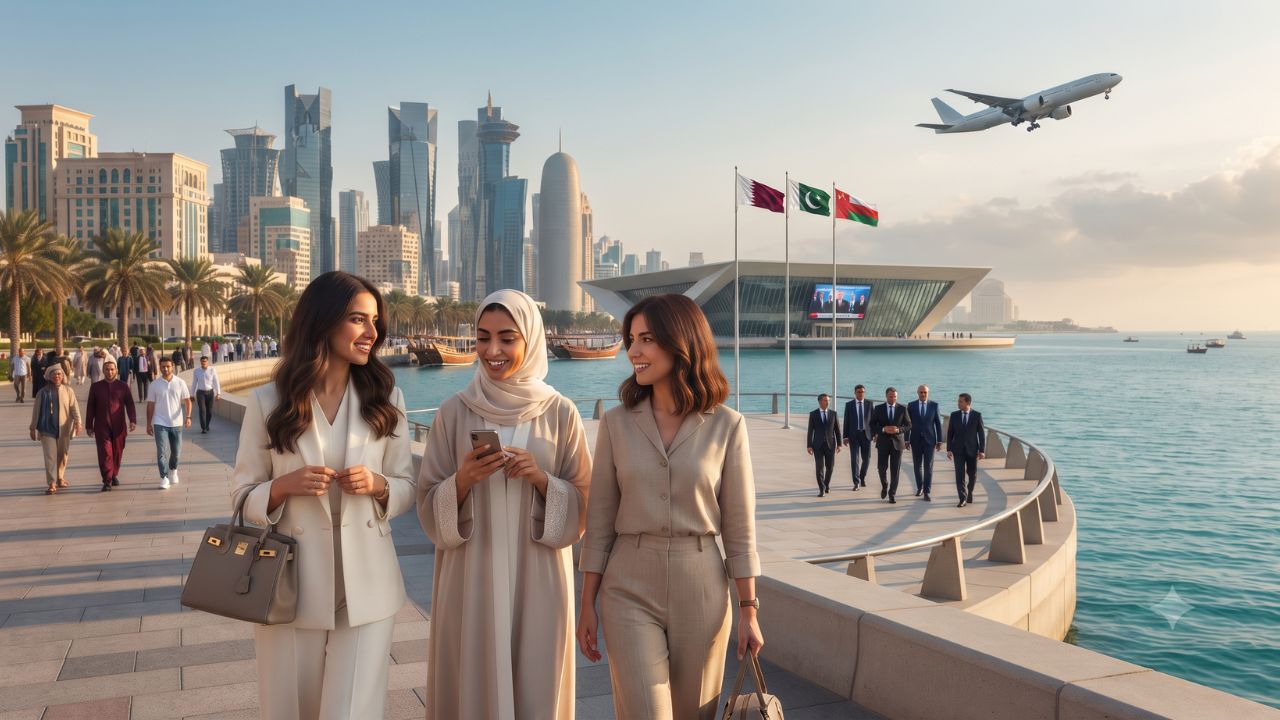
Image generated by AI
Qatar has joined forces with Pakistan and Oman in an urgent diplomatic effort to de-escalate tensions between the United States and Iran. The mediation drive seeks to protect the Middle East's travel industry and safeguard vital maritime and aviation corridors across the Gulf.
The diplomatic push arrives at a sensitive time for the regional visitor economy. Over the past decade, Gulf countries have invested billions of dollars in tourism infrastructure, airports, hotels, and international attractions. Because traveler confidence depends on regional security, any escalation could immediately impact flight paths, airport operations, and hotel bookings across the Middle East.
By acting as diplomatic bridges, the three nations are working to prevent conflict and reassure international travel markets.
Coordinated Tri-Nation Mediation and Airspace Stability in the Gulf
According to the Ministry of Foreign Affairs of Qatar spokesperson Majed Al Ansari, mediation efforts are continuing to seek a peaceful resolution to the United States-Iran conflict. Doha is coordinating closely with Pakistan and Oman to encourage direct communication between both sides. This effort leverages Qatar's established role as a regional diplomatic hub that maintains open channels with global powers.
For the travel industry, airspace stability remains the primary concern. Doha’s Hamad International Airport connects millions of transit passengers daily between Asia, Europe, Africa, and the Americas. The involvement of the Ministry of Foreign Affairs of Pakistan adds diplomatic experience, as the country maintains close relations with Tehran and Washington. Safeguarding the aviation corridors over the Gulf prevents the need for commercial rerouting, which increases fuel costs and flight delays.
Strait of Hormuz Maritime Security and Regional Travel Confidence
A major priority of the mediation effort is ensuring security around the Strait of Hormuz. The narrow waterway is a critical maritime route for international trade, with a significant share of global energy shipments passing through daily. Disruptions to shipping in this zone could immediately affect regional cruise operations and transport logistics.
To protect these corridors, Oman plays a key role through behind-the-scenes diplomacy. Muscat has a long history of serving as a neutral communication channel during regional disputes. By encouraging dialogue over military confrontation, the Oman Ministry of Heritage and Tourism seeks to maintain international confidence in its growing luxury and nature-based tourism sectors.
Tourism Infrastructure Investments and Hub Normalization
The economic stakes are high for regional tourism strategies. Qatar, the United Arab Emirates, Saudi Arabia, and Oman have built ambitious tourism growth plans centered on international arrivals. Qatar has strengthened its profile as a premium leisure destination, while Oman is promoting Salalah, Muscat, and its coastal reserves.
Any regional instability could cause travelers to reconsider booking decisions. Major aviation hubs in the region serve as global connection points. Maintaining open communication channels, implementing strong safety measures, and resolving disputes diplomatically are essential for protecting these capital-intensive tourism investments and ensuring long-term industry recovery.
Local Visitor Guide and Regional Cultural Etiquettes
To help you navigate travel in the region and experience the local culture during your journey:
- Enrol in Travel Registration: Register your travel plans with your national embassy’s registration system before traveling through the region, ensuring you receive immediate security alerts.
- Respect Cultural Etiquettes:
- In Qatar and Oman: Dress modestly in public spaces, covering shoulders and knees. Remove shoes when entering traditional heritage quarters or private homes.
- In Pakistan: Always ask permission before photographing local residents, particularly in rural or heritage communities.
- Off-Peak Visit Windows: Plan your visits to Muscat and Salalah in Oman during the shoulder seasons—late September to November—when temperatures cool and outdoor excursions are more comfortable.
- Local Dining Specialties:
- In Doha: Visit Souq Waqif to sample traditional Machboos (spiced rice with meat) and fresh cardamom-flavored Karak tea.
- In Muscat: Try Shuwa (slow-roasted marinated meat cooked in an underground clay oven), a signature festive dish of Oman.
- Airport Layover Strategies: If transiting through Hamad International Airport, take advantage of indoor relaxation spaces like "The Orchard" or use the airport transit hotel to rest during long connection windows.
Future Projections for Middle East Tourism Resilience
The current tri-nation mediation efforts demonstrate the critical connection between regional diplomacy and economic resilience. Maintaining peaceful relations between the United States and Iran is essential for securing the air and sea routes that support global mobility.
Over the coming years, Gulf destinations will continue to focus on diversifying their travel sectors to manage geopolitical risks. By expanding domestic travel markets, investing in sustainable eco-tourism, and strengthening regional partnerships, these destinations aim to ensure that their visitor economies remain stable, safe, and competitive on the global stage.
Related Travel Guides
Disclaimer
This article is for informational and educational purposes only. It does not constitute legal, financial, or professional advice. While we strive to provide accurate and up-to-date information, travel policies, regulations, and conditions change rapidly. Always verify information with official sources before making travel decisions. Nomad Lawyer makes no representations about the accuracy, reliability, completeness, or suitability of the information provided. Readers should consult qualified professionals for advice specific to their circumstances. The views expressed in this article are those of the author and do not necessarily reflect the views of Nomad Lawyer.
Kunal K Choudhary
Co-Founder & Contributor
A passionate traveller and tech enthusiast. Kunal contributes to the vision and growth of Nomad Lawyer, bringing fresh perspectives and driving the community forward.
Learn more about our team →