UK Travel Warnings for Qatar and UAE: Logistics Guide for 2026 Formula 1 Season Finale


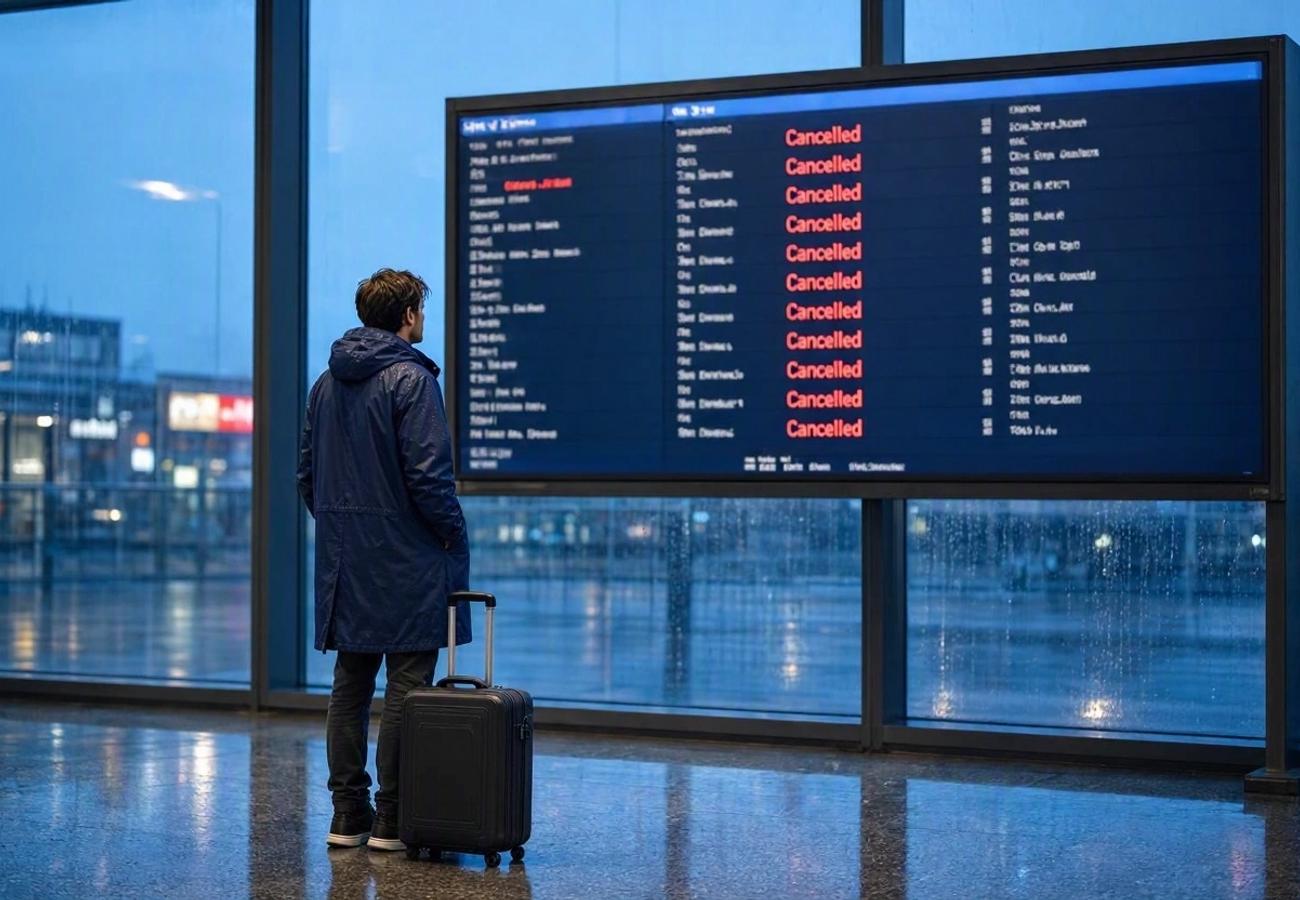
Image generated by AI
Are you planning to attend the final rounds of the 2026 Formula 1 season in the Gulf? New UK government travel advisories regarding security risks in Qatar and the UAE mean you must fundamentally change how you book your flights, hotels, and insurance.
Heightened Security Alerts for the 2026 Season Finale
The UK Foreign, Commonwealth and Development Office (FCDO) has issued updated guidance for the United Arab Emirates and Qatar, citing an unpredictable security environment across the Gulf. While the UK government has stopped short of a full travel ban, the official warnings highlight a high probability of sudden flight cancellations, temporary closures of airspace, and rapidly shifting local restrictions.
For motorsport fans, this timing is critical. The 2026 calendar concludes with two high-profile events: the Qatar Grand Prix at the Lusail circuit on 29 November and the Abu Dhabi Grand Prix at the Yas Marina track on 6 December. Despite ongoing tensions involving Iran and Western powers, these races remain on the schedule. However, the volatility of the region means that logistics for large-scale gatherings are under constant review by both national governments and race organizers.
2026 Gulf Race Schedule and Status
The following table outlines the remaining Gulf fixtures and the current operational status based on official calendars.
| Event | Date | Circuit | Location | Status |
|---|---|---|---|---|
| Qatar Grand Prix | 29 November 2026 | Lusail International Circuit | Lusail, Qatar | Scheduled |
| Abu Dhabi Grand Prix | 6 December 2026 | Yas Marina Circuit | Abu Dhabi, UAE | Scheduled |
| Bahrain Grand Prix | April 2026 | Sakhir Circuit | Sakhir, Bahrain | Cancelled |
| Saudi Arabian GP | April 2026 | Jeddah Corniche Circuit | Jeddah, Saudi Arabia | Cancelled |
Traveler Logistics Guide
Based on the April 2026 cancellations in Bahrain and Saudi Arabia—where fans faced massive financial losses due to rigid booking terms—you should adopt the following logistics strategy for the November/December races.
1. Booking and Financial Contingencies Do not book non-refundable accommodation. The precedent set earlier this year shows that regional crises can lead to race cancellations within days of the event. Use platforms that allow cancellation up to 24-48 hours before arrival. When selecting airfares, prioritize "Flexible" or "Refundable" tickets over "Economy Light" options, as re-routing through hubs like Doha or Dubai is common when airspace closes.
2. Insurance Verification Standard travel insurance often fails during "regional instability." You must verify if your policy covers "Event Cancellation" specifically caused by government travel advisories. Many policies only trigger a payout if the Foreign, Commonwealth and Development Office (FCDO) explicitly advises against all travel to the destination. General warnings about "unpredictable security" may not be enough to claim a refund for a cancelled hotel or flight.
3. Transit and Connection Strategies If you are transiting through the Gulf to reach other destinations, monitor the Qatar Airways or Emirates flight status pages in real-time. Because of the risk of temporary airspace closures, build a minimum 6-to-8-hour buffer into your connections.
4. On-the-Ground Compliance Be prepared for sudden changes in stadium access, public transport routes, and local curfews. Ensure you have digital and physical copies of your visa and race tickets, as security checkpoints are expected to be more stringent during the season finale.
Regional Connectivity Impact
The volatility of the 2026 season has highlighted a systemic vulnerability in F1's Gulf strategy. The decision by the FIA and Formula 1 to cancel the April races in Bahrain and Saudi Arabia proved that geopolitical tensions can override commercial contracts. This has led to increased scrutiny from UK lawmakers and human rights organizations, who argue that the sport is providing "sportswashing" cover for regimes with poor human rights records.
For the traveler, this political friction translates into tangible risk. When a government increases its security alert level, it often signals a coming shift in aviation policy. The 2022 missile attack near Jeddah and the 2011 Bahrain uprising serve as historical reminders that high-profile sporting events in this region can be interrupted by sudden security escalations.
FAQ: Gulf F1 Transit 2026
Do I need a transit visa for Qatar or the UAE? Requirements vary by nationality. Most UK citizens receive a visa on arrival or visa-free entry, but you should check the official government portals for the UAE and Qatar to confirm current requirements before departure.
What happens if the race is cancelled? If the event is officially cancelled, check your "Event Cancellation" insurance. If you booked non-refundable rates, you may be unable to recover costs unless the airline or hotel offers a voluntary refund.
How long should my layover be in Doha or Dubai? Due to current FCDO warnings regarding airspace instability, a layover of 6-8 hours is recommended to account for potential flight delays or re-routing.
Is it safe to travel to Lusail or Yas Marina? The UK government has not prohibited travel, but advises staying alert to short-notice changes. Monitor official FCDO country pages daily leading up to your trip.
Plan for the race, but prepare for the detour.
Related Travel Guides
This article is for informational purposes. Flight routes, passenger regulations, visa rules, and transit advisories are subject to change by airlines and aviation authorities. Readers are advised to verify schedules and travel documentation with relevant carriers and border agencies before departure.
Related Stories
UK Travel Warning for Gulf States: Impact on 2026 Formula One Bahrain, Qatar, and Saudi Arabia Races

UK Travel Alert for Bahrain Puts Formula 1 Gulf Race Calendar Under Intense Security Scrutiny in 2026